Nigel Farage, the fiery Reform UK leader who has long dominated Britain's political landscape, finds himself embroiled in one of the most personal controversies of his career. Just yesterday, during a tense press conference in London, he unleashed a blistering attack on the BBC, accusing the broadcaster of hypocrisy while defending against resurfaced claims of racist remarks from his teenage years nearly 50 years ago. These allegations, which include explosive suggestions that he once echoed sentiments praising Hitler, have ignited a firestorm that blends raw emotion with sharp political calculation, drawing widespread attention across the nation today.
Farage has vehemently denied uttering any such comments with malice or intent to harm, insisting that what critics label as racism was merely the crude banter of 1970s schoolboys navigating a vastly different era. Supporters rally behind him, viewing the timing of these revelations as a calculated smear just as Reform UK gains momentum ahead of future elections. Yet the accusations persist, fueled by multiple former classmates who describe a pattern of targeted anti-Semitic jabs and racial slurs that went beyond innocent jest. This clash, unfolding in real time, underscores the painful challenge of judging yesterday's words through today's unyielding standards, leaving many to wonder if forgiveness has any place in modern politics.
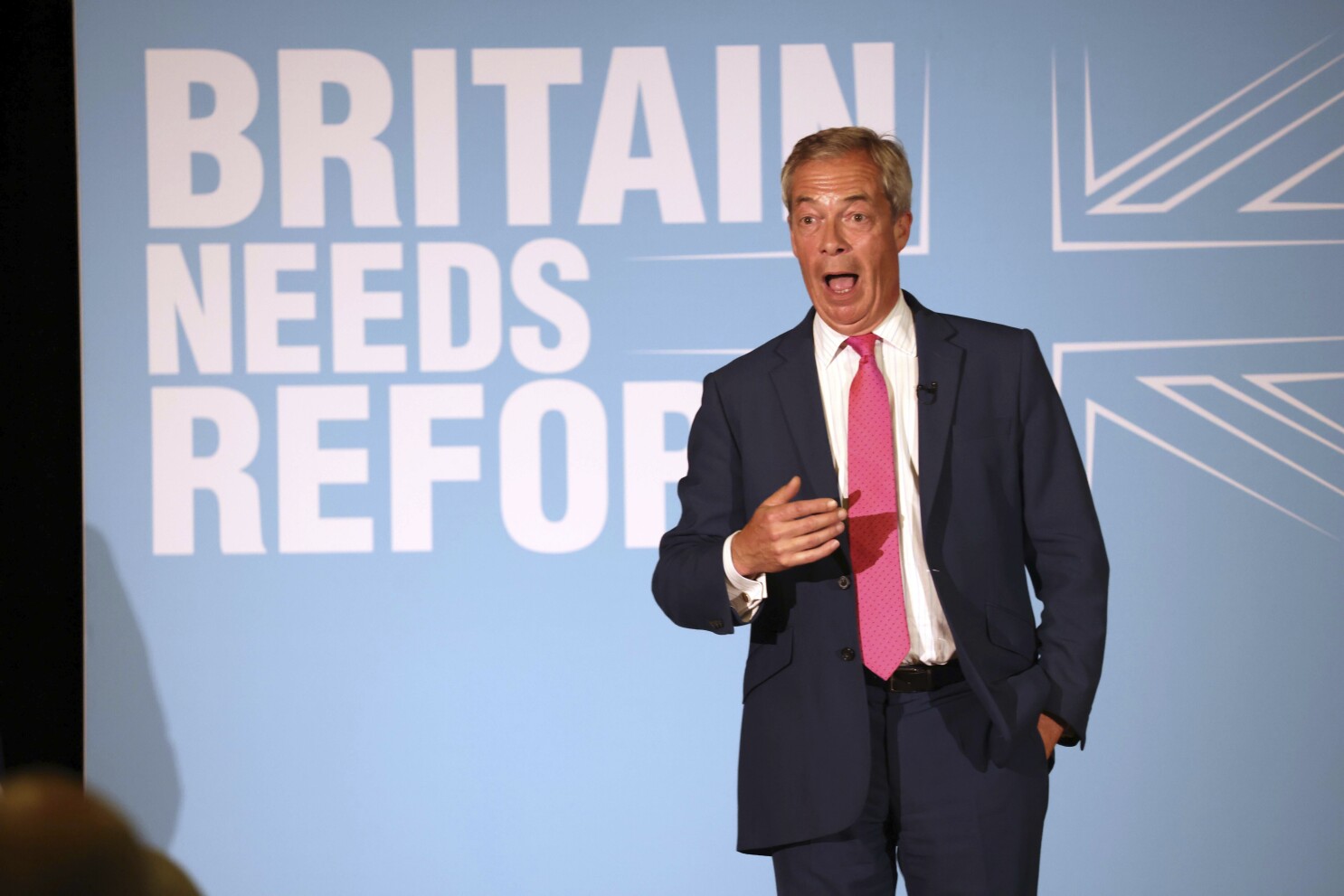
Farage continues his incendiary on-stage rhetoric, but recent school racism allegations now put his controversial brand under the spotlight, risking both reputation and revenue streams.
The Explosive Press Conference: Farage Reaches Breaking Point
In a moment that crackled with barely contained fury, Farage halted mid-sentence when a BBC journalist pressed him once more on the schoolyard claims during Thursday's event. His face flushed, voice rising with unmistakable passion, he pivoted from defense to outright assault on the corporation's legacy. "If the BBC wants to drag up the 1970s and judge it by 2025 morals, they should lead with an apology for their own shameful broadcasts," he declared, his words hanging heavy in the room like a challenge no one expected. The room fell silent as he listed infamous programs such as The Black and White Minstrel Show and Till Death Us Do Part, staples of primetime TV that now evoke cringes for their blatant racial and sexist tropes.
This wasn't scripted outrage; it felt deeply personal, a man cornered by ghosts of his youth lashing out at an institution he sees as complicit in cultural amnesia. Farage's delivery carried the weight of decades spent fighting what he calls elite biases, and in that instant, his raw anger resonated with those who share his distrust of public broadcasters. By the end, he issued a stark ultimatum, refusing further comment until the BBC reckons with its past, turning a routine briefing into national theater that dominated evening headlines.
Clashing Memories: What Really Happened at School?
At the heart of this tempest lie dueling accounts from Farage's days at Dulwich College, where boys in the late 1970s traded edgy jokes amid the punk rock rebellion and Enoch Powell's shadow. One former classmate, a Jewish pupil named Simon, stepped forward with a letter Farage read aloud, painting a picture of harmless ribbing rather than malice. "Nigel was never the aggressor, never aimed to wound with race or faith," Simon wrote, adding that many lads, himself included, spouted lines they'd blush at now but never meant to hate. This testimony struck an emotional chord, evoking the awkward fumblings of adolescence when words flew fast and filters were few.
Yet countervoices ring louder and more insistent, with over 20 ex-peers alleging a deliberate streak of bigotry that singled out minorities for mockery. One claims Farage hurled repeated anti-Semitic barbs his way, not as fleeting quips but as pointed cruelty that lingered. Another describes a classroom culture Farage helped shape, where "Hitler was right" slipped out not in jest but with a chilling edge that unsettled even then. These testimonies, surfacing amid Reform UK's rising poll numbers, carry the sting of betrayal for critics who see echoes of Farage's adult rhetoric on immigration and elites. As the stories collide, they force a reckoning with memory's fragility, where half a century blurs intent into accusation, leaving the public to sift truth from the haze of hindsight.
Hypocrisy Charge: Farage's Bold Strike at the BBC's Core
Farage's counterpunch against the BBC taps into a vein of public frustration long simmering over media accountability, framing his personal defense as a broader crusade against selective outrage. By invoking those vintage shows, once cheered by millions but now condemned as relics of prejudice, he flips the script with surgical precision, demanding the broadcaster own its role in normalizing attitudes his accusers now decry in him. This move, sharp and unyielding, exposes what many perceive as institutional blind spots, where corporate sins fade faster than an individual's youthful slips.
The emotional undercurrent here runs deep, a sense of unfairness that boils over when elites police the past unevenly, and Farage's vow to shun the BBC until apologies flow amplifies that grievance. It's a high-stakes play, one that risks alienating moderates but galvanizes his base, who cheer the takedown as righteous rebellion against a lumbering giant. In interviews today, Reform insiders whisper of bolstered resolve, with donations ticking up as the story spreads, proving once again how controversy can forge loyalty in the fires of perceived injustice.
The Stakes Beyond the Spotlight: A Career on the Line
This brewing scandal doesn't just threaten Farage's image; it ripples into the financial machinery propping up his political machine, where trust is the currency that funds campaigns and builds brands. Sir Christopher Kelly, former chair of the Committee on Standards in Public Life, captured the heartbreak of such erosions when he reflected on similar crises, saying, "It's devastating to watch hard-won trust evaporate," a sentiment that echoes the quiet dread now gripping Reform UK's backers. Analysts warn that reputational hits like this could slash speaking fees by hundreds of thousands and dent party donations by up to 25 percent, turning a multi-million personal brand into a liability overnight.
For a figure whose career bridges City trading floors and Clacton hustings, the fallout feels profoundly human, a reminder that power's pinnacle offers scant shelter from old wounds reopened. Yet in this vulnerability lies potential strength, as Farage's defiance stirs empathy among those weary of polished perfection in leaders. Whether this morphs into a fatal blow or a rallying cry hinges on the weeks ahead, but one thing rings clear: in Britain's fractured discourse, authenticity, flaws and all, might just be the ultimate weapon.
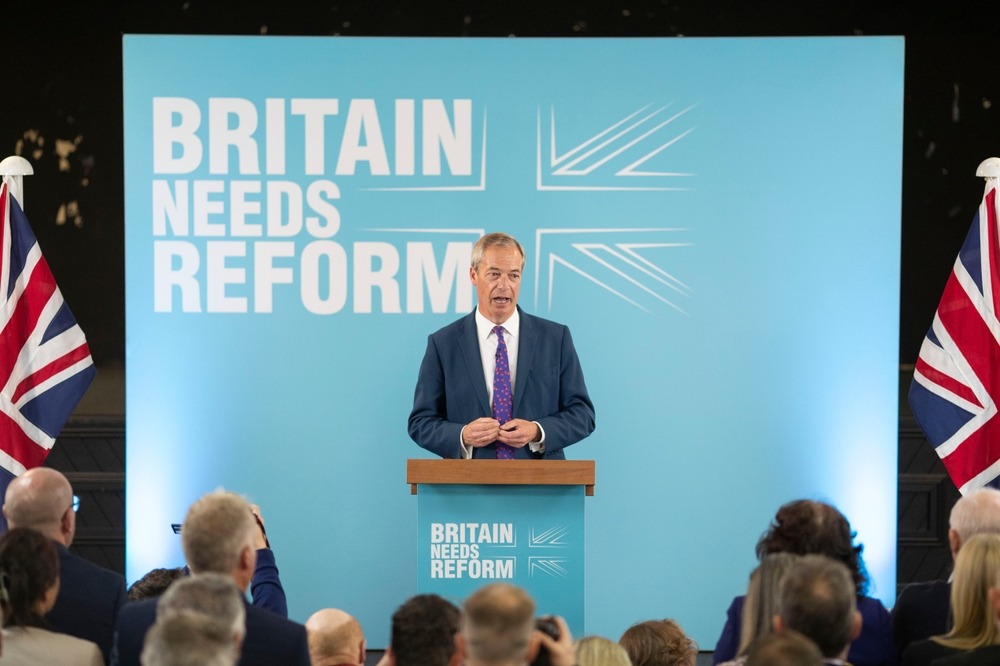
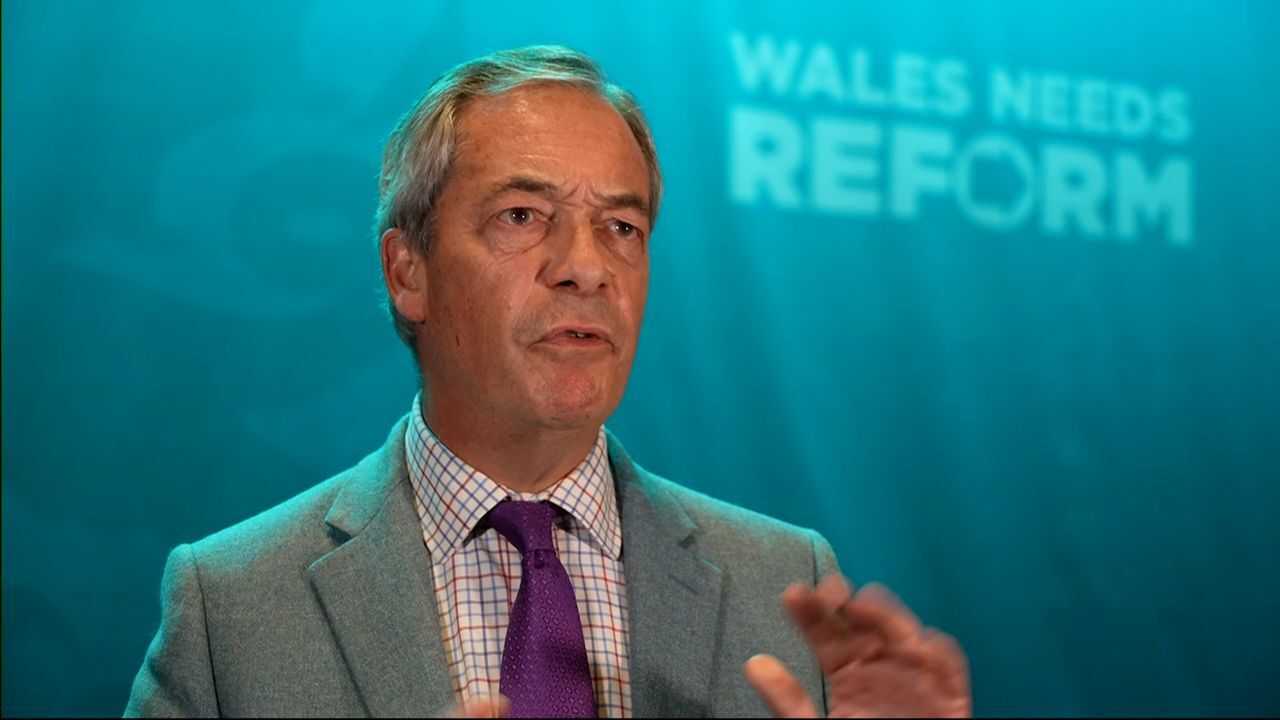
Nigel Farage rallies supporters at a Reform UK event, outlining the party’s vision for government efficiency and fiscal reform.
Inside the Storm: What Readers Are Wondering
What sparked Nigel Farage's dramatic outburst at the BBC press conference?
The confrontation ignited when a BBC reporter revisited allegations of racist schoolboy comments during a routine Thursday briefing, prompting Farage to erupt in defense of his character while accusing the broadcaster of ignoring its own history of controversial content. He cited programs like The Black and White Minstrel Show as evidence of 1970s norms the BBC once embraced but now condemns, declaring he would cease speaking to them without an apology. This raw exchange, captured on video and shared widely, highlighted his frustration with what he views as biased scrutiny, transforming a policy talk into a viral moment of political theater that has fueled debates on media fairness and historical accountability across social platforms today.
How credible are the racism allegations from Farage's school days?
Credibility hinges on conflicting eyewitness accounts from Dulwich College alumni, with more than 20 former classmates alleging repeated anti-Semitic and racial remarks by Farage, including phrases like "Hitler was right," delivered with intent rather than jest. Countering this, a Jewish ex-peer defended him in a public letter, describing the era's banter as widespread and non-malicious among boys, insisting Farage never targeted anyone harmfully. Legal denials from Farage emphasize no racist motive, but the volume of accusers and their detailed recollections lend weight, though the 47-year gap invites skepticism over faded memories, making this a classic case of he-said-they-said amplified by political stakes.
Could this BBC clash derail Reform UK's momentum?
Far from derailing, the spat might actually supercharge Reform UK's underdog appeal, energizing supporters who see it as proof of elite media vendettas against their anti-establishment voice, potentially boosting donations and volunteer sign-ups in the short term. However, prolonged scrutiny risks alienating swing voters sensitive to bigotry claims, especially if more testimonies emerge, which could erode the party's hard-won gains in recent by-elections and polls. Financially, experts flag risks to funding streams tied to Farage's personal draw, yet his history of thriving on controversy suggests resilience, positioning this as a pivotal test of whether outrage translates to votes or backlash in the lead-up to 2026 contests.
My Take: Navigating the Uneasy Line Between Past and Present
Look, I can't pretend to be neutral here, because as much as I dislike Nigel Farage and genuinely hate the divisive edge his politics often brings to the table, there's something profoundly uncomfortable about dredging up half-forgotten schoolboy chatter from an era when such words tumbled out without a second thought. Back in the 1970s, amid the casual cruelties of playground hierarchies and a society still shedding its colonial skin, remarks that scream bigotry today were, heartbreakingly, just part of the noise for too many lads like him, absorbed from tabloids and dinner-table gripes without the internet's instant outrage to check them. It doesn't excuse the hurt they inflicted then or the shadows they cast now, but viewing them through our sharper 2025 lens feels like swinging a hammer at a faded snapshot, punishing the boy while the man dodges the real blows.
That said, context isn't a get-out-of-jail-free card, especially when those echoes seem to hum in Farage's grown-up rants on borders and belonging, where today's standards demand we weigh every syllable against the harm it sows in real time. If he'd dropped those lines last week, with full awareness of the firestorms they ignite, the verdict would land differently, heavier with intent and lighter on mercy. This whole mess tugs at me because it forces us to wrestle with growth, or the lack of it, reminding everyone that redemption isn't about erasing the ink but owning the page, flaws and all, in a world that's finally learned to call out the poison louder. Farage's fury at the BBC rings a bit true in that selective amnesia, yet it also spotlights why we can't let yesterday's norms blunt tomorrow's accountability, lest we repeat the very cycles we're trying to break.