Netflix just pulled off what many are calling the biggest shake-up in entertainment since the streaming wars began, announcing today its $72 billion bid to snap up Warner Bros. Discovery's crown jewels, including HBO Max, Warner Bros. Pictures, and a treasure trove of TV and film assets that have defined Hollywood for generations.
The move outmaneuvered heavyweights like Comcast and Paramount Skydance, with Netflix offering $27.75 per share in a cash-and-stock combo that values the equity at $72 billion and the full enterprise at $82.7 billion. Yet, as the ink dries on this blockbuster agreement, Wall Street's response has been anything but celebratory, sending Netflix shares down over 4% in early trading on this crisp December morning.
It's a gut punch for a company that's long thrived on bold bets, and the chill in investor sentiment underscores a deeper unease rippling through the markets. This isn't just about the eye-watering price tag, though $72 billion is no small sum in an era of belt-tightening across big tech and media. Instead, the sell-off reflects a cocktail of fears, from regulatory roadblocks to the soul-searching question of whether Netflix can truly swallow Hollywood without choking on its own ambition. As one longtime observer of the industry put it, the stakes feel personal, like watching a favorite underdog step into the ring against a heavyweight champion, knowing one wrong move could end it all.
Why Investors Hit the Panic Button on Netflix's Latest Power Play
The timing couldn't be worse for Netflix, which unveiled this Warner Bros. Discovery acquisition just as markets crave stability over spectacle. Big tech stocks have endured a bruising year, with investors laser-focused on efficient spending and predictable cash flows amid whispers of recession and AI-driven disruptions. Pouring $72 billion into a debt-laden media giant feels like lighting a match in a powder keg, especially when Netflix's own subscriber growth has slowed to a crawl after years of explosive gains. Traders worry this gamble diverts precious resources from core streaming innovations, like cracking personalized content algorithms or expanding into live events, leaving the company exposed in a cutthroat landscape.
That unease boiled over in pre-market trading today, with Netflix's stock dipping sharply while Warner Bros. Discovery shares climbed nearly 4%, a stark split that highlights how unevenly the news landed. It's the kind of market whiplash that leaves even seasoned portfolio managers second-guessing their positions, evoking that familiar knot in the stomach when a sure thing suddenly isn't.
Netflix is looking to acquire Warner Bros. Discovery, a move that could reshape Hollywood by combining the streaming giant with Warner’s iconic film and TV library.
Navigating a Regulatory Nightmare in the Streaming Era
No deal this massive escapes the antitrust spotlight, and analysts are already sketching out a battleground that could drag on for years. Merging Netflix with HBO Max would crown a streaming behemoth controlling over 40% of U.S. market share, raising red flags for regulators eager to curb monopolies in the post-pandemic media frenzy. Morgan Stanley's Ben Swinburne flagged this as Netflix's "toughest regulatory path" yet, pointing to potential DOJ scrutiny over content licensing and exclusive deals that could squeeze out smaller players like Disney or Amazon Prime Video.
François Godard, a sharp-eyed media analyst at Enders Analysis, captured the dread in stark terms during a rapid-fire interview this morning: “My first reaction is, watch out, Netflix. The merger of Warner Bros. and Discovery destroyed value, and the risk is that this new deal will also produce a result smaller than the addition of the parts. HBO, the most brilliant TV creative house, survived Zaslav, but will it die under Netflix?” His words hang heavy, a reminder that bureaucratic hurdles aren't just paperwork, they're a slow bleed on momentum and morale.
The Identity Crisis Netflix Never Saw Coming
At its heart, Netflix built an empire on ditching the old Hollywood playbook, preaching that theaters were relics in a binge-watch world. Acquiring Warner Bros. Pictures flips that script, thrusting Netflix into the gritty world of theatrical releases, red-carpet premieres, and multimillion-dollar marketing blitzes for blockbusters like the next Dune installment. Suddenly, the streamer inherits a sprawling web of global distribution deals, lingering film contracts, and the high-stakes glamour of Oscar pushes, all of which clash with its lean, direct-to-consumer DNA.
Investors see this as more than logistical headaches, it's an existential pivot that could water down what made Netflix magnetic, turning the disruptor into just another conglomerate chasing prestige over profits. Whispers in boardrooms today echo that sentiment, with some fund managers quietly unloading shares, betting the cultural friction proves too much for a company that's always danced to its own beat.
A High-Stakes Bet That Could Redefine Entertainment Forever
If this Warner Bros. Discovery deal clears its gauntlet, Netflix emerges as an unchallenged titan, wielding franchises from Harry Potter and DC Comics to Game of Thrones and The Matrix alongside one of the richest content libraries on the planet. Imagine a unified platform where HBO's prestige dramas feed seamlessly into Netflix's global algorithm, potentially eclipsing YouTube's ad-fueled dominance and locking in subscribers for the long haul. The upside dazzles, promising synergies that could slash production costs and supercharge international expansion, especially in Europe where HBO Max's rollout was already stumbling.
Yet, the flip side gnaws at the edges of optimism, with Warner Bros. Discovery's $40 billion debt pile adding urgency to integration woes that could sour the honeymoon fast. As the afternoon wears on and more details trickle out from today's executive calls, the buzz feels electric, a mix of awe and apprehension that only comes with history in the making.
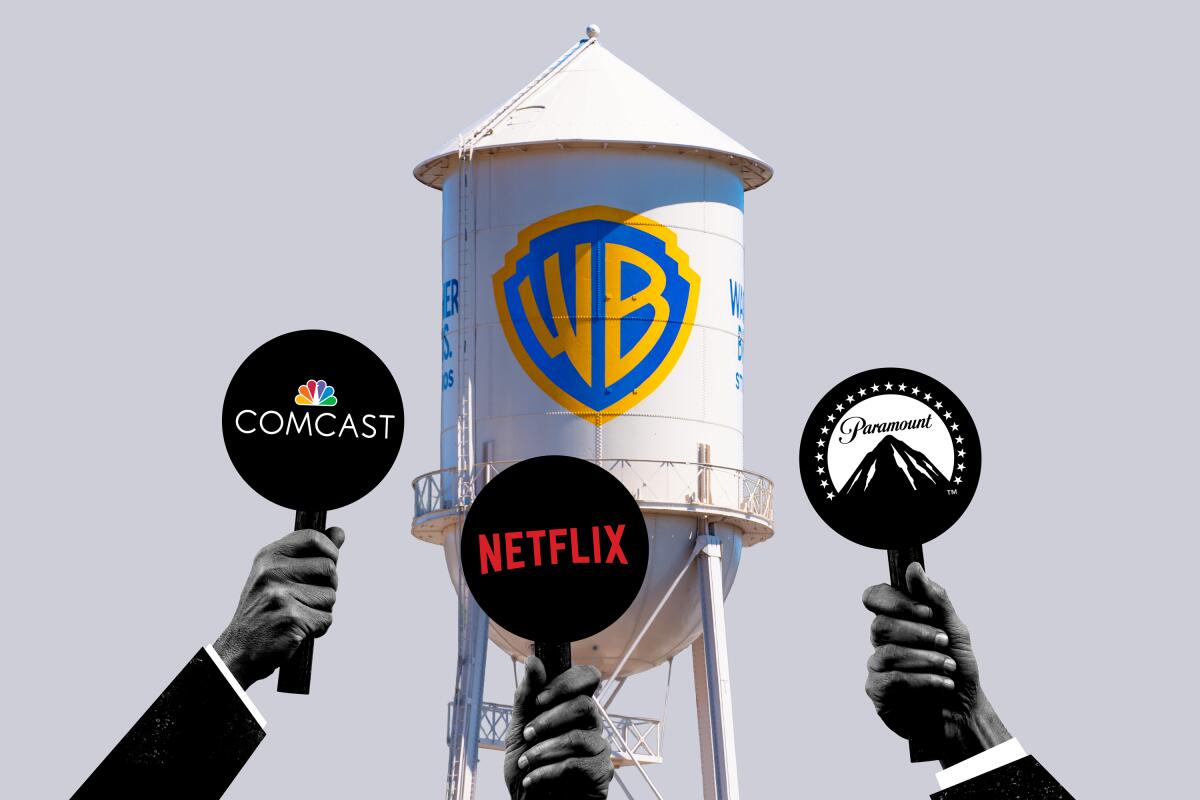
Netflix has beaten off competitors like Comcast, and Paramount for control of the iconic studio and streaming assets.
What Viewers Are Wondering About Netflix's Warner Bros. Shake-Up
Will This Netflix Warner Bros. Deal Kill Off Theaters for Good?
Movie lovers everywhere are holding their breath, wondering if Netflix's $72 billion grab for Warner Bros. Pictures spells the end of the big-screen ritual. While Netflix has tiptoed into limited theatrical releases for Oscar contenders, absorbing a studio synonymous with cinematic spectacles like Batman epics could accelerate the shift to streaming-only debuts.
Experts suggest a hybrid model might emerge, balancing exclusive windows for theaters with rapid digital drops to maximize revenue streams, but the real test comes in how Netflix honors legacy contracts without alienating cinema chains. For now, it's a tense wait, as this merger could redefine release strategies across Hollywood, blending the magic of multiplexes with the convenience of couch viewing for a new generation of fans.
How Might Netflix Stock Bounce Back After Today's Sell-Off?
The 4% plunge in Netflix shares following the Warner Bros. Discovery announcement has investors on edge, but history shows bold acquisitions often spark short-term dips before long-term rallies. If regulatory green lights arrive by mid-2026, analysts project a 20-30% upside as synergies from HBO content integration boost subscriber retention and ad revenues.
Key to watch: upcoming earnings calls where execs like Ted Sarandos detail cost savings from merged libraries, potentially easing fears of overextension. Until then, patient holders might view this as a buy-the-dip moment, reminiscent of past Netflix expansions that rewarded steadfast believers amid the noise.
Could This Acquisition Spark More Hollywood Mega-Mergers?
Today's Netflix Warner Bros. bombshell has ignited speculation about a fresh wave of consolidations in a fragmented media world, where streaming giants vie for survival. With Paramount and Skydance already circling other assets, this deal could embolden players like Apple or Amazon to chase similar scale, especially as linear TV crumbles under cord-cutting pressures.
Regulators might tighten the reins post-merger, but the allure of combined IP troves, from Marvel rivals to international hits, proves irresistible. For consumers, it means richer libraries but fewer choices, a double-edged sword that's already fueling heated debates in industry forums and living rooms alike.