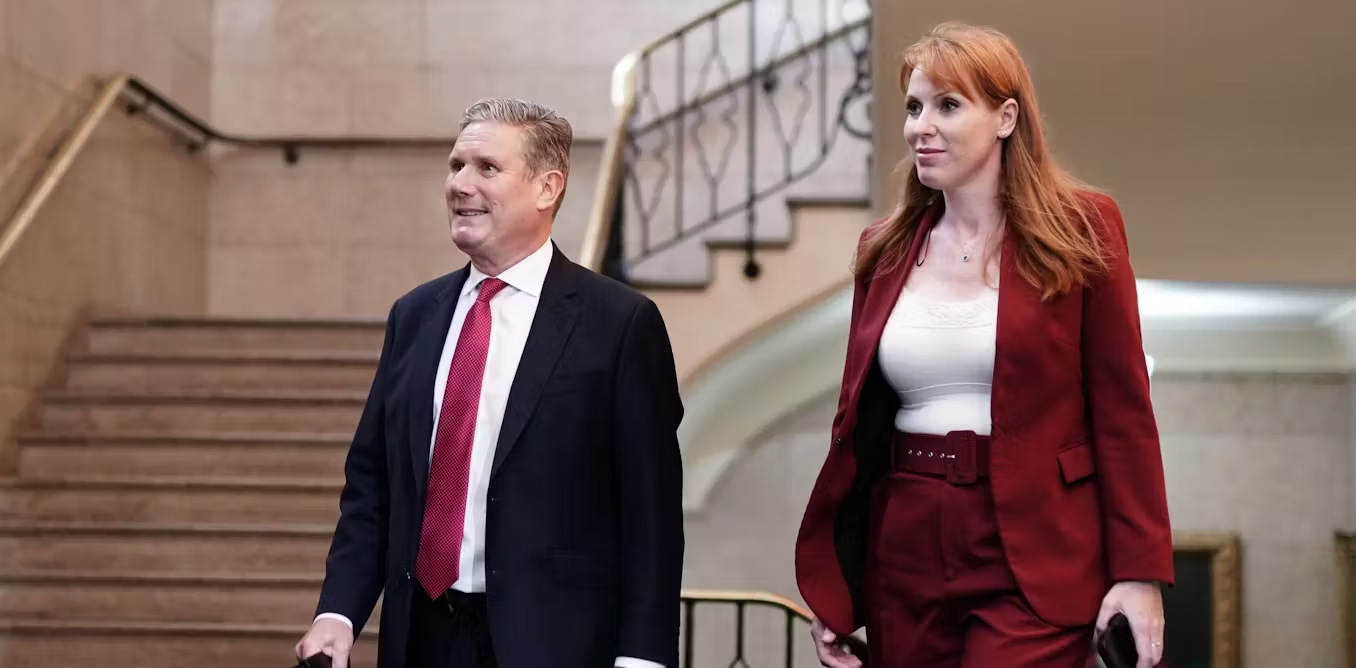
Former Labour deputy leader Angela Rayner is preparing for a return to the cabinet, Prime Minister Sir Keir Starmer confirmed today, marking a significant step after her resignation in September over a stamp duty issue on her £800,000 Hove flat. The controversy, which involved an underpayment cleared of any wrongdoing, highlighted the challenges of property tax rules but did not end her influence within the party. This development comes amid ongoing discussions about economic reforms, where Rayner's experience could play a key role.
In a straightforward interview this morning, Starmer praised Rayner's abilities and her background as a strong example of social mobility. He noted her path from leaving school at 16 to a senior position in government, adding that her absence has been noticeable. "Yes, of course I do miss her, I was really sad that we lost her," Starmer said, offering a personal insight into the impact of her departure on the team.
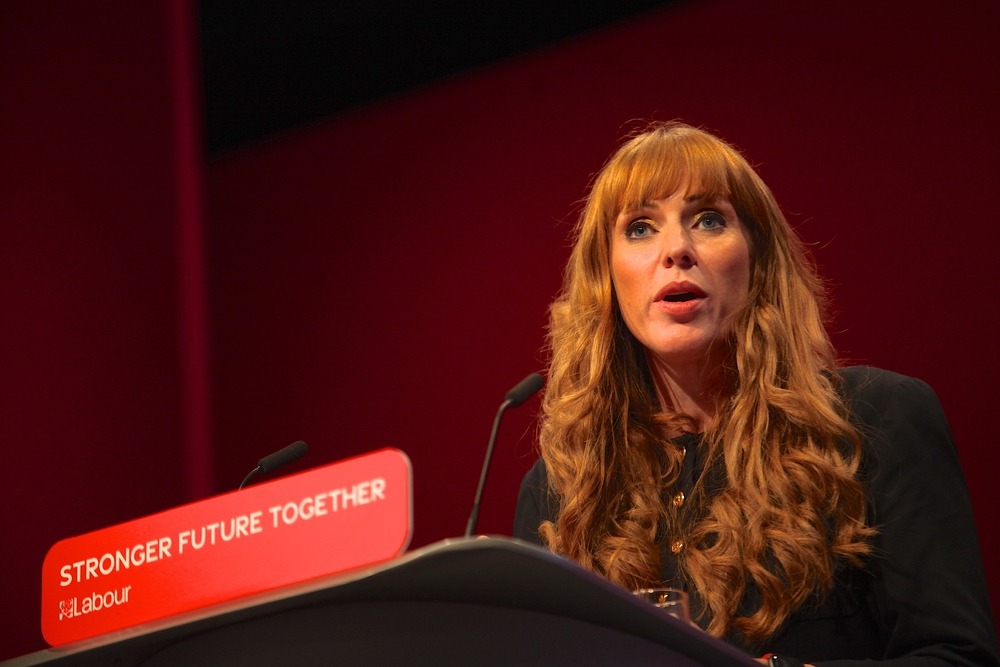
Angela Rayner speaks on stage, her trademark fiery style capturing the crowd’s attention.
Background on the Resignation and Tax Issue
Rayner left her role as deputy prime minister after an investigation found she had underpaid stamp duty by about £1,500 on the flat purchase, due to rules around family trusts. She settled the amount quickly once advised, and the prime minister's ethics adviser confirmed no deliberate error occurred. The adviser pointed out that Rayner should have sought more specific tax advice, which fell short of the standards expected for ministers.
Such trust arrangements often complicate stamp duty calculations, as tax specialist Sean Randall has observed in his work with clients. "We're talking about a deeming rule which deems a person, in this case Angela, to own a property in the stamp duty world, in circumstances where she doesn't own it at all in the real world," Randall said, pointing to the frustration many face with these technicalities. For someone like Rayner, who grew up in social housing and now pushes for better access to homes, the situation added a layer of public scrutiny to her advocacy.
The episode links back to earlier questions in 2024 about her previous property sale, which police investigated and dismissed as unfounded. With today's news, attention shifts to how her return might address similar tax system flaws through policy changes.
Support Within Labour for Her Comeback
Rayner has kept a low profile since September, with just one speech in the House of Commons and limited public statements. Party members, however, continue to value her input on employment and equality matters. Her recent choice to drop a proposed change to the employment rights bill, after discussions with Business Secretary Peter Kyle, helped keep the party aligned.
Work and Pensions Secretary Pat McFadden described Rayner as an "enormous talent" and expressed hope for her return, while noting the decision belongs to Starmer. Commentators suggest her reappointment could strengthen Labour's focus on wage protections and housing, areas where she made progress before. Current economic data, including 2.8% inflation and uneven wage rises, underscores the need for her practical approach in these discussions.
Potential Impact on Government Priorities
Rayner's return aligns with preparations for the chancellor's autumn statement next week, which may include adjustments to stamp duty for first-time buyers. She could take on responsibilities in employment or regional development, building on her past work that supported over 100,000 renters through housing initiatives. This move comes as Labour faces pressure to deliver on promises amid public concerns over living costs.
Her direct style and understanding of working-class challenges set her apart, helping to connect policy with everyday realities. As one party figure commented privately, her involvement could add momentum to efforts on fair pay and affordable living, areas that resonate with voters in the current climate.
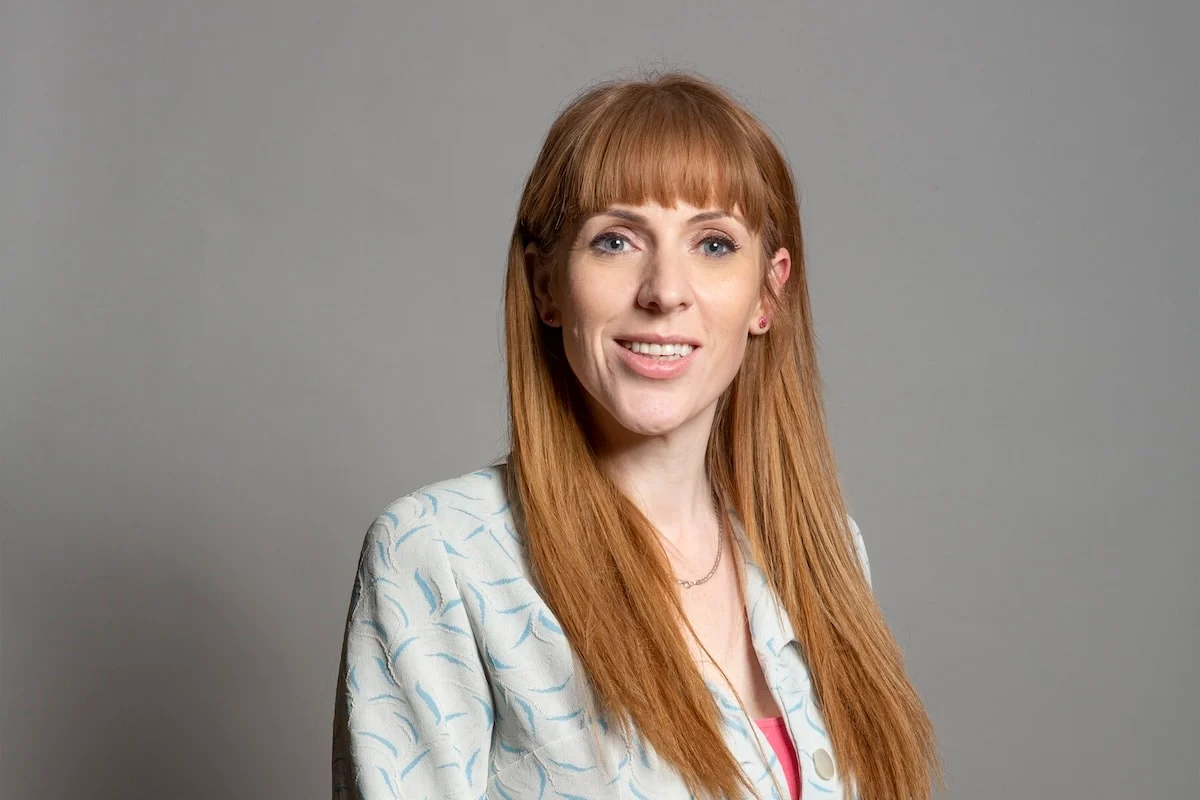
Angela Rayner, Former Deputy Prime Minister and one of Labour’s most prominent figures, photographed in her official parliamentary portrait.
Key Questions on Angela Rayner's Return
Why Did Angela Rayner Resign from the Cabinet in September?
Rayner's exit followed a review of her £800,000 Hove flat purchase, where family trust details led to an underpaid stamp duty of roughly £1,500. Probes by the ethics adviser found no intent to mislead but noted she lacked proper tax consultation, violating ministerial guidelines. Announced on 5 September 2025, the resignation prompted a quick cabinet adjustment with David Lammy filling the deputy role, a change that disappointed many supporters who saw her as vital to Labour's social agenda.
How Has the Tax Issue Affected Rayner's Political Standing?
While the stamp duty matter drew criticism during Labour's early tax reform talks, Rayner's prompt repayment and full cooperation turned it into a case for clearer rules. Public response mixed sympathy with debate, but by late 2025, it reinforced her image as someone tackling real barriers in housing and finance. Starmer's endorsement today indicates the party views it as resolved, paving the way for her to contribute more effectively to economic policies.
What Changes Could Rayner Bring to Labour's Economic Plans?
Positioned for a senior spot, Rayner may influence employment laws and housing funds, drawing from her record in securing protections for workers and expanding social rentals. Her role could shape the December fiscal update, pushing for buyer incentives informed by her experience. With over 1.2 million families in temporary housing and costs rising, her focus on practical solutions might boost Labour's appeal and help meet targets for better wage growth across sectors.