In a groundbreaking move that promises to redefine entertainment through artificial intelligence, Disney has announced a $1 billion investment in OpenAI, along with licensing its iconic characters for the AI company's Sora video tool. This three-year partnership opens up exciting possibilities for fans, who can now create short AI-generated videos featuring beloved figures from Disney, Marvel, Star Wars, and Pixar universes. With over 200 characters available, including classics like Mickey Mouse and modern heroes like Black Panther, users gain a fresh way to interact with these stories, while a handpicked selection of videos will appear on Disney+ to spark even more engagement.
A Bold Step Forward in AI and Entertainment
Hollywood has faced challenges from shifting box office trends and the growth of streaming services, but generative AI now stands out as the latest disruptor in the industry. AI tools have drawn on copyrighted materials from films, TV shows, and comics to build models for creating images and videos, which has led to intense discussions about intellectual property. Disney's strategy here stands apart, as it chooses collaboration over confrontation, partnering with OpenAI to explore AI's creative side while keeping firm control over its assets.
This deal builds on recent developments in the AI space, such as OpenAI's release of advanced models that push boundaries in video generation, and it aligns with Disney's ongoing efforts to integrate technology into storytelling, much like their use of AI in recent productions to enhance visual effects and audience experiences.
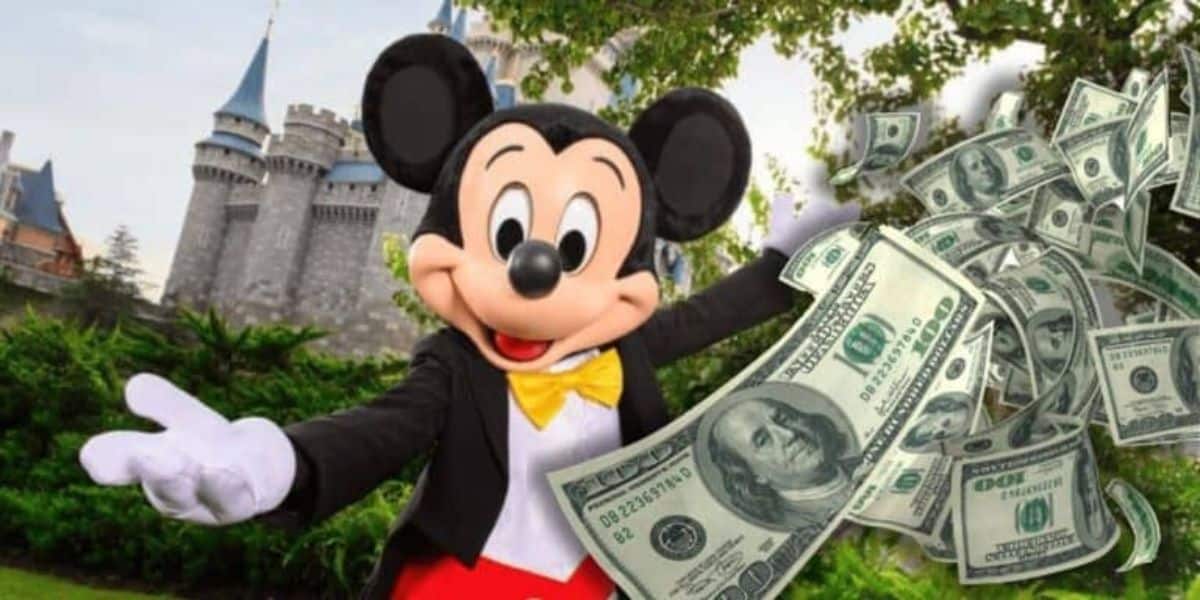
Disney’s iconic mascot amid a fortune, reflecting the game changing investment in OpenAi.
Tensions with Google Heat Up
Just one day before this announcement, Disney issued a cease-and-desist letter to Google, claiming widespread copyright infringement by the tech giant's AI applications, including Gemini and Veo. Disney pointed out unauthorized uses of characters like Darth Vader and Spider-Man in generated content, highlighting the risks of unchecked AI development. Google has yet to respond officially, but this action underscores Disney's dual strategy of offering partnerships to those who cooperate, while pursuing legal measures against others. In contrast, OpenAI's agreement includes compensation for Disney, paving the way for a more harmonious relationship in the evolving AI landscape.
Inside Sora and Its Disney Integration
OpenAI's Sora platform enables the creation of 30-second videos based on user prompts, now enriched with Disney characters that bring familiar worlds to life in new scenarios. Crucially, these videos avoid using actors' likenesses or voices, which simplifies issues around rights and payments. To uphold Disney's family-friendly image, the partnership sets clear boundaries, prohibiting content that involves substances, intimate themes, or improper crossovers with other brands.
Even with these guidelines in place, Disney recognizes that AI can sometimes produce unexpected results, yet they express strong confidence in OpenAI's commitment to quick resolutions and ongoing improvements.
The Path to This Strategic Alliance
Negotiations between Disney and OpenAI spanned nearly two years, gaining momentum after impressive demos of Sora's latest version and its video app features. High-level discussions involved key figures like Disney CEO Bob Iger and OpenAI CEO Sam Altman, emphasizing the shared focus on innovation and content protection. Iger highlighted in a recent CNBC interview how this collaboration respects Disney's creative heritage, while also drawing in younger viewers through interactive elements on Disney+ that could boost subscriptions.
Altman praised Disney as a forward-thinking collaborator, stressing plans for enhanced safeguards to ensure a safe environment, especially for younger users as the technology advances.
Expanding Beyond Videos to Internal AI Use
The agreement goes further than public-facing tools, granting Disney exclusive access to ChatGPT for internal operations across various divisions, where it will support the development of innovative products and services. This exclusivity lasts one year, giving Disney a head start before potentially exploring similar arrangements elsewhere. On the financial side, Disney's $1 billion commitment includes warrants for additional OpenAI shares at a $500 billion valuation, reflecting deep belief in AI's future role in media and beyond.
This ties into broader industry shifts, including OpenAI's recent updates to models like GPT-5.2, which excel in areas such as coding and project management, and it complements Disney's history of adopting cutting-edge tech, seen in their partnerships for immersive experiences in theme parks and streaming.
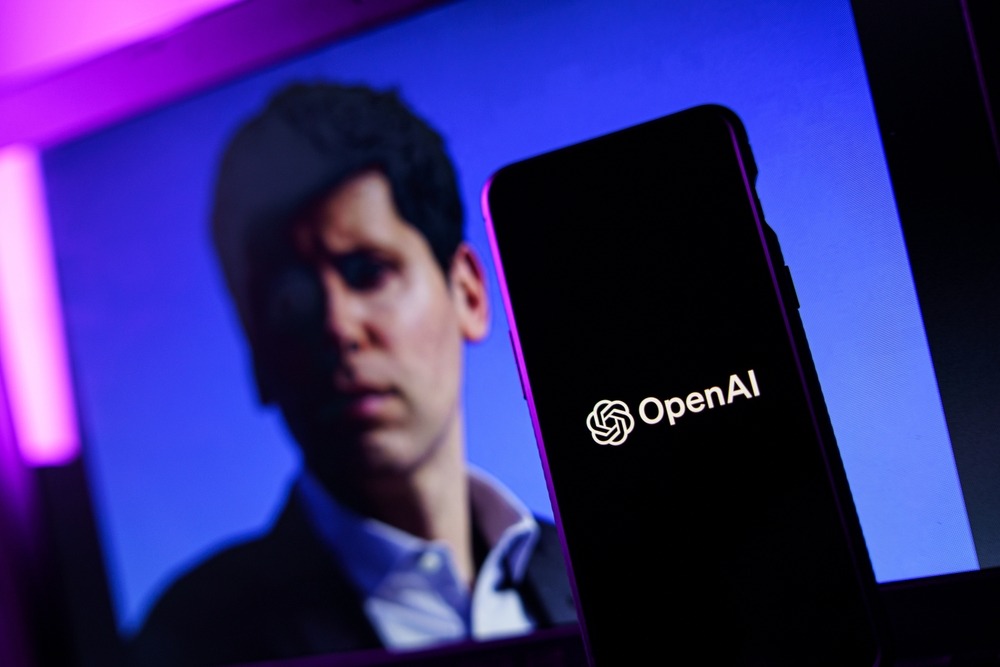
A phone shows the OpenAI interface while CEO Sam Altman stands in the background—symbolizing the growing presence of AI in daily life and public leadership.
What the Future Holds for AI in Media
As AI continues to merge with entertainment, this Disney-OpenAI collaboration sets a compelling example for how brands can innovate responsibly. Fans stand to benefit from deeper immersion in cherished universes, all while Disney protects its intellectual property in a rapidly changing digital world. Competitors like Google, fresh off unveiling updates to Gemini, now face added scrutiny, especially with OpenAI's swift responses through enhanced capabilities in its own suite of tools.
By blending Disney's narrative strengths with OpenAI's technological prowess, the partnership outlines a roadmap for sustainable growth in an AI-driven era.
Fan Experiences in the Spotlight
Enthusiasts can look forward to crafting personalized adventures, such as Elsa exploring uncharted realms with her powers or Black Panther navigating custom challenges, all within concise video formats. Disney+ will host moderated highlights to inspire more participation, merging fan creativity with social sharing and AI innovation in ways that feel entirely fresh and accessible.
This initiative arrives amid ongoing conversations about AI's role in culture, building on events like the widespread adoption of tools for user-generated content across platforms.
Wrapping Up the Disney-OpenAI Era Kickoff
With this $1 billion infusion and character licensing, Disney positions itself at the forefront of AI-enhanced entertainment, fostering creativity and engagement while prioritizing protections. For audiences and creators, the coming year holds promise of interactive magic that evolves classic tales into personalized journeys, limited only by the bounds of imagination in this dynamic new phase.
Exploring More About the Disney-OpenAI Deal
How Does This Partnership Impact Disney's Competition with Other Studios?
This collaboration gives Disney a unique edge in the entertainment industry, allowing it to leverage AI for fan-driven content that competitors like Warner Bros. or Universal might struggle to match without similar tech alliances. By integrating characters into Sora, Disney not only boosts its streaming appeal but also sets a precedent for monetizing IP in AI spaces, potentially pressuring rivals to accelerate their own AI strategies. Experts suggest this could lead to a wave of similar deals across Hollywood, where studios seek to control AI outputs rather than react to them, ultimately benefiting consumers with more innovative viewing options that blend traditional media with interactive elements.
What Safeguards Are in Place for Character Usage in AI Videos?
OpenAI and Disney have implemented robust measures, including automated filters and human oversight, to ensure videos align with brand values and avoid inappropriate themes like violence or substance use. Users must adhere to prompt guidelines, and any violations trigger reviews, with the system learning from feedback to improve accuracy over time. This proactive approach draws from lessons in recent AI controversies, such as unauthorized deepfakes, and aims to create a trustworthy platform where families can explore creatively without concerns, fostering long-term user loyalty and setting industry standards for ethical AI deployment in entertainment.
Could This Deal Influence Future AI Regulations in Hollywood?
Absolutely, as this partnership demonstrates a voluntary framework for IP collaboration, it might inspire lawmakers to encourage similar models over strict bans, balancing innovation with rights protection. With ongoing debates in Congress about AI ethics, Disney's example could highlight benefits like economic growth through tech investments, while addressing risks such as job displacement in creative fields. Analysts predict it will spark discussions at industry forums, potentially leading to guidelines that promote fair compensation and transparency, ensuring AI enhances rather than undermines the artistic integrity of film and television production for years to come.