Warner Bros Discovery appears ready to turn down Paramount Skydance's ambitious $108.4 billion all-cash offer, opting instead for a more secure path with Netflix, according to fresh reports emerging today on December 17, 2025. The board's decision, expected as soon as tomorrow, highlights deep worries over the Paramount bid's financing structure and overall terms, sending ripples through the entertainment industry. This move underscores the high-stakes maneuvering in Hollywood, where legacy media giants grapple with streaming dominance and regulatory hurdles.
The rejection comes amid a flurry of developments that have kept investors and fans alike captivated. Paramount, under CEO David Ellison, launched this hostile takeover just last week, positioning it as a superior alternative to Netflix's $72 billion agreement for Warner's film and streaming assets. Yet, Warner's leadership views the Netflix partnership as delivering stronger value and certainty for shareholders, avoiding the uncertainties tied to Paramount's debt-heavy proposal.
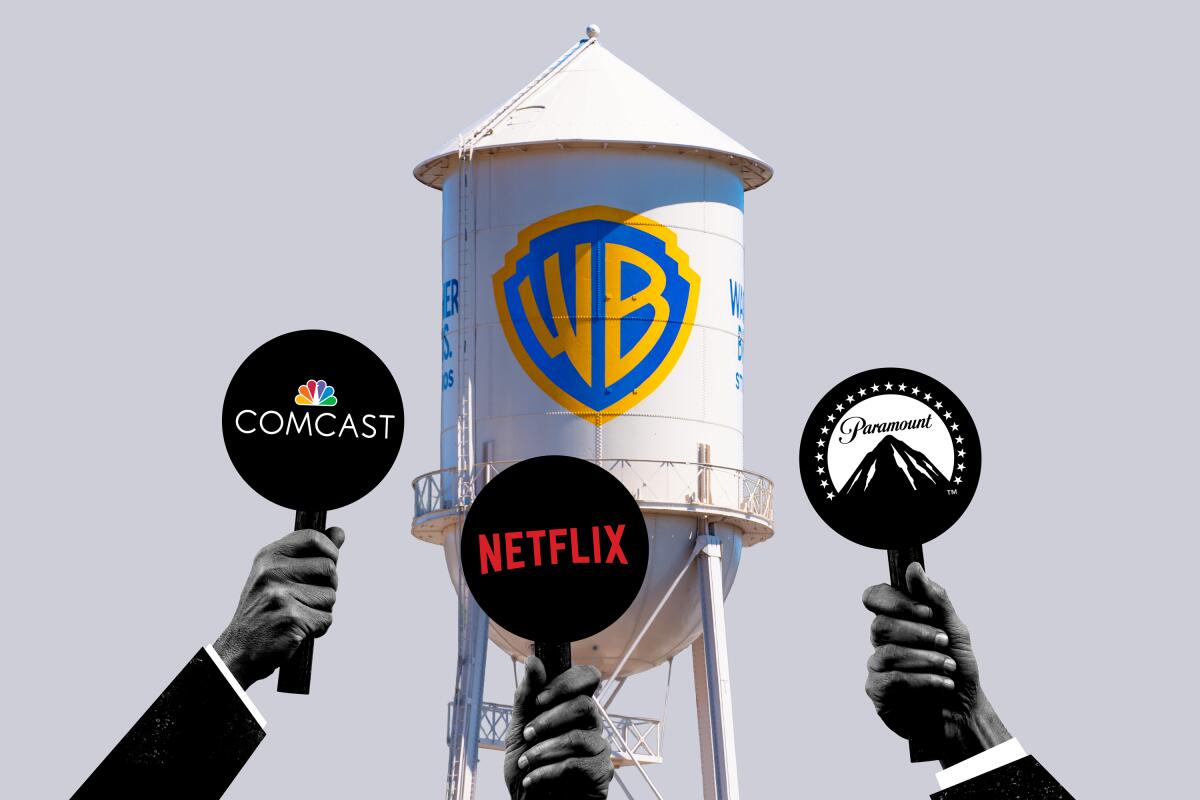
Paramount has failed to beat off competitors like Comcast, and Netflix for control of the iconic studio and streaming assets.
Breaking Down the Bid and Warner's Firm Stance
Paramount Skydance's offer values Warner Bros Discovery at $30 per share, a premium that totals $108.4 billion in enterprise value, backed by the Ellison family fortune through Oracle co-founder Larry Ellison and his daughter Megan's production company. The proposal aims to acquire the entire company, including iconic studios, HBO Max, and broadcast networks, creating a powerhouse in content creation and distribution. However, Warner's board has scrutinized the financing, which includes $41 billion in equity from backers like RedBird Capital and $54 billion in debt commitments from major banks such as Bank of America and Citi. Sources close to the matter indicate that these elements raised red flags, prompting the anticipated rejection and a continued commitment to the Netflix deal.
This isn't the first time Warner has pushed back against Paramount's advances, with earlier overtures in October dismissed as undervaluing the company. The current standoff reflects broader shifts in media mergers, where companies prioritize stable partnerships over aggressive consolidations that could invite antitrust scrutiny from US and European regulators.
Key Players Pull Back Amid Rising Tensions
Adding to the intrigue, Jared Kushner's Affinity Partners announced its withdrawal from the Paramount consortium yesterday, citing competition from strong rivals like Netflix. Founded by the son-in-law of President Donald Trump, Affinity's involvement had drawn attention due to potential political implications, especially given Warner's ownership of CNN, a frequent target of Trump's criticism. While the firm's stake was modest, its exit weakens Paramount's financing narrative and amplifies doubts about the bid's viability.
President Trump himself weighed in recently, blasting the Ellisons in comments that highlighted their past political donations, further politicizing the deal. Meanwhile, Ellison remains defiant, having adjusted terms multiple times to address Warner's concerns, including flexibility on debt refinancing and a $5 billion breakup fee guaranteed by his family. Despite these efforts, Warner's preference for Netflix's focused acquisition of non-cable assets suggests a strategic bet on streaming synergies over a full merger.
What This Means for Hollywood's Future Landscape
A successful Paramount takeover would have reshaped the industry, granting access to Warner's vast library of blockbusters like the Harry Potter series, DC Comics franchises, and timeless hits such as Friends. Combined with Paramount's own assets, it could dominate the streaming market, but at the risk of job cuts and reduced content diversity, as warned by the Writers Guild of America. Instead, sticking with Netflix preserves Warner's independence in key areas, potentially fostering innovation through targeted collaborations rather than wholesale integration.
This decision also spotlights the evolving dynamics of media ownership, where tech-savvy players like Netflix challenge traditional studios, and geopolitical factors influence billion-dollar deals. As streaming wars intensify, consumers might benefit from more competitive offerings, though the uncertainty could delay new projects and affect stock performance for all involved.
Netflix enters exclusive talks to acquire Warner Bros. Discovery, a move that could reshape Hollywood by combining the streaming giant with Warner’s iconic film and TV library.
Regulatory Hurdles and Broader Industry Reactions
Any merger of this scale would face intense review from bodies like the Federal Trade Commission and European Commission, concerned about market concentration in entertainment. Paramount argues its bid offers a clearer regulatory path, but experts predict prolonged battles that could drag on for months, echoing past scrutiny of similar consolidations. Industry groups, including unions, have voiced opposition, fearing wage suppression and fewer opportunities for creators in a more consolidated landscape.
Social media is abuzz with reactions from fans worried about their favorite franchises, while analysts speculate on whether Paramount might sweeten the pot or if other suitors could emerge. This saga, blending business strategy with personal rivalries, captures the raw energy of Hollywood's transformation in real time.
Unpacking the Drama: Your Burning Questions Answered
Why Is Warner Bros Discovery Rejecting Paramount's Seemingly Higher Offer?
Warner Bros Discovery's board prioritizes long-term stability over the immediate allure of Paramount's $108 billion bid, focusing on concerns like uncertain debt financing and complex terms that could introduce risks. In contrast, Netflix's deal, while lower in total value at around $72 billion, targets specific assets like films and streaming, promising smoother integration and fewer regulatory obstacles. This choice reflects a strategic pivot toward partnerships that enhance core strengths without overhauling the entire operation, potentially safeguarding shareholder interests amid economic volatility. Experts note that past merger failures have made boards cautious, emphasizing deals with proven execution over flashy headlines.
What Could This Rejection Mean for Fan-Favorite Franchises Like Harry Potter and DC Comics?
If Warner rejects Paramount, franchises such as Harry Potter, the MonsterVerse, and DC Comics would likely remain under Warner's control, with Netflix gaining influence over film and streaming elements through their targeted acquisition. This setup could accelerate global distribution via Netflix's 300 million subscribers, boosting visibility and revenue for series like Friends or HBO originals. Fans might see more interconnected storytelling across platforms, but without a full merger, there's less risk of content dilution from corporate synergies. Long-term, it opens doors for innovative crossovers, though delays in new releases could occur as teams navigate the transition.
Is There a Chance for an Escalated Bidding War or New Suitors in This Takeover Battle?
Paramount could respond to the rejection by raising its offer above $30 per share, potentially sparking a bidding war with Netflix or attracting fresh players like Comcast or Amazon. Ellison's track record of aggressive pursuits suggests he's prepared to go higher, especially with family backing, but regulatory pressures might deter escalation. Analysts predict short-term stock volatility for Warner, with outcomes hinging on shareholder votes and antitrust reviews. If no higher bids materialize, Warner's Netflix alliance could set a precedent for hybrid models in media, blending traditional studios with tech giants for sustained growth.