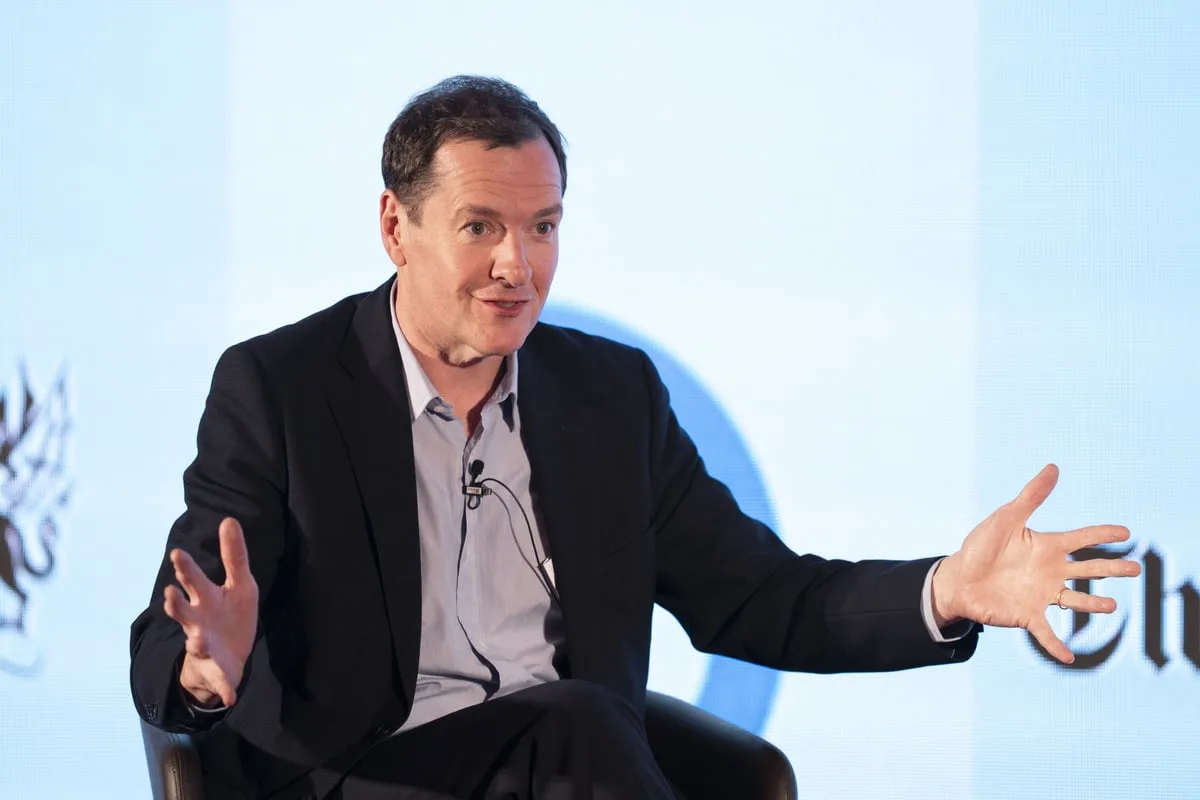
George Osborne, the former UK chancellor who steered the economy through austerity and recovery, has taken a senior position at OpenAI, the company behind ChatGPT and some of the most advanced AI systems in the world. The appointment, revealed this week, sees him lead the new “OpenAI for Countries” programme from London, working directly with governments on national AI strategies.
The move places Osborne at the heart of one of the fastest-growing and most influential industries on the planet, far from the corridors of Westminster.
Osborne’s New Mission: Building National AI Strategies
In his role, Osborne will help governments develop AI infrastructure, improve public-sector AI literacy, and roll out artificial intelligence in areas such as healthcare, education, and national security. OpenAI has positioned the initiative as a way to ensure AI development reflects democratic values rather than being dominated by authoritarian states or purely commercial interests.
The job combines policy expertise with cutting-edge technology, giving Osborne a platform to shape how countries adopt AI in the coming years.
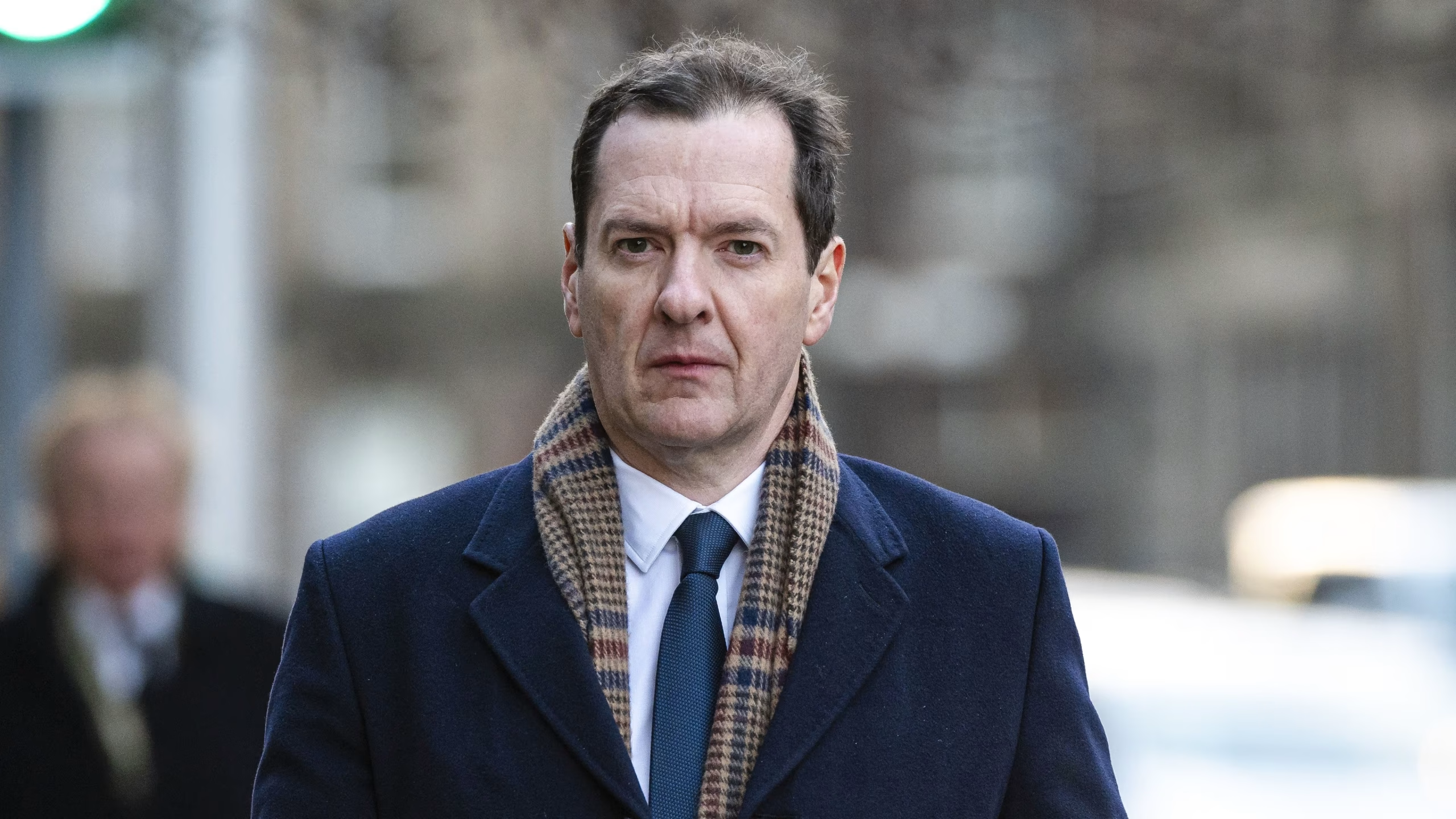
George Osborne is seen walking through the city with a focused expression, underscoring the weight of his role at the intersection of politics, finance, and technology.
How Much Could George Osborne Earn at OpenAI?
OpenAI does not publish individual salaries, but senior roles involving global affairs and government relations at leading AI companies typically carry substantial reward packages.
Industry estimates suggest Osborne’s compensation could include a base salary of between £750,000 and £1.2 million, plus performance bonuses that often exceed £500,000. The largest potential upside, however, comes from equity or long-term incentives tied to OpenAI’s soaring valuation, which has reached tens of billions of pounds.
Such a package would comfortably surpass anything he earned during his time in public office.
Comparing the Pay to His Political Peak
As Chancellor of the Exchequer from 2010 to 2016, Osborne received a ministerial salary of around £150,000 per year. After leaving government, he built a portfolio of roles including chairman of the British Museum, editor of the Evening Standard, and partner at boutique investment bank Evercore, all of which added significantly to his income.
Yet even those combined positions are unlikely to match the long-term financial potential of a senior role at one of the world’s most valuable private technology companies.
Why OpenAI Turned to a Former Chancellor
Chris Lehane, OpenAI’s chief global affairs officer, described the appointment as strategic at a time when AI is becoming critical national infrastructure. Osborne brings firsthand experience of government budgeting, economic regulation, and international diplomacy, along with established relationships across European capitals and beyond.
Those connections prove especially valuable as governments worldwide race to establish AI policies that balance innovation with safety.
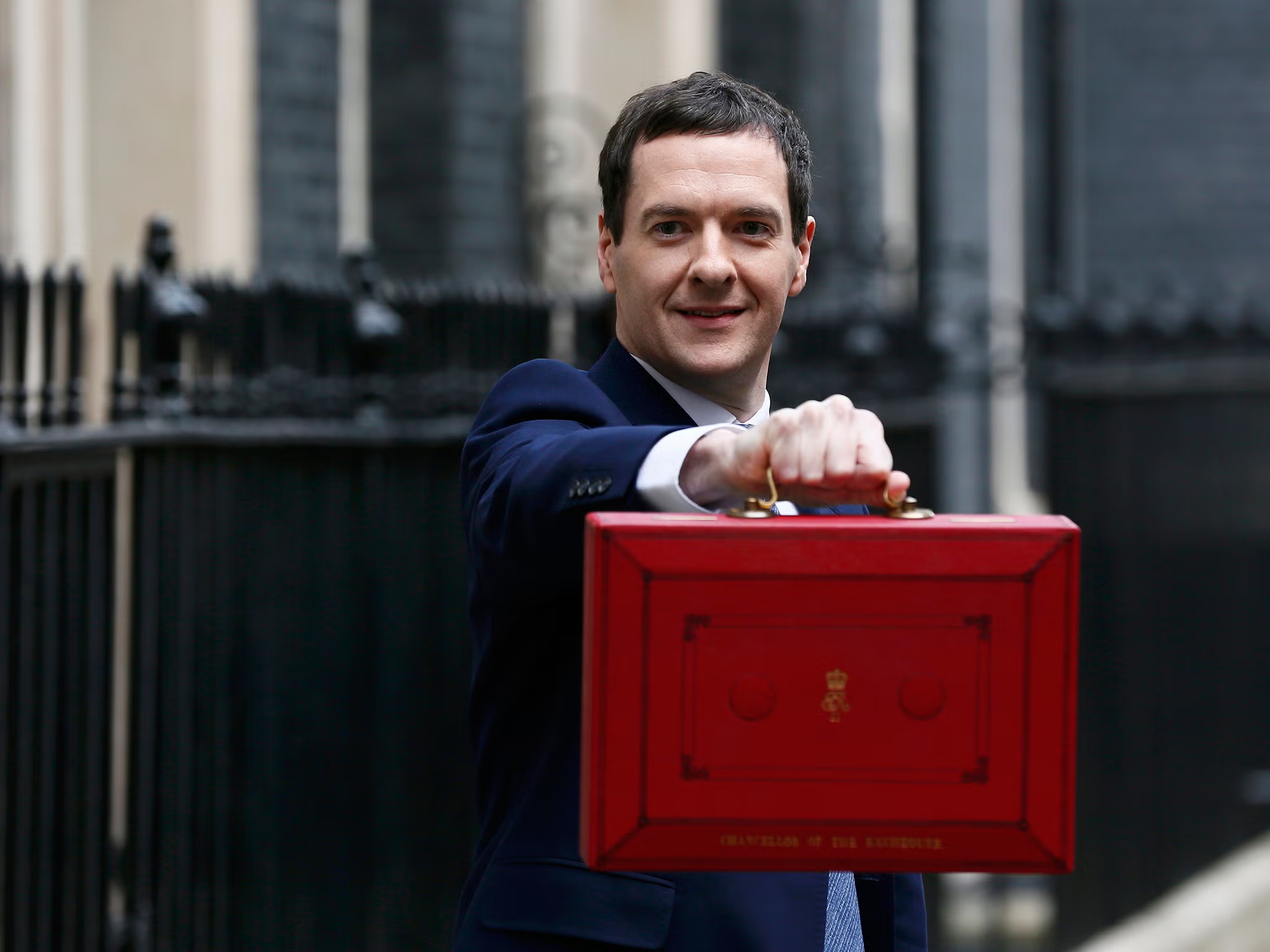
George Osborne carries the iconic red budget box as chancellor of the exchequer, a defining image from his years at the heart of UK economic policy.
The Appointment Comes at a Pivotal Moment
The timing carries extra weight amid ongoing UK-US tech negotiations, growing regulatory debates, and surging investment in artificial intelligence. Just weeks ago, the Bank of England highlighted risks around debt-fuelled AI growth, warning of possible market corrections if expectations run too far ahead of reality.
For OpenAI, having a former chancellor embedded in its global outreach serves both defensive and forward-looking purposes.
Osborne’s Own Words on the Move
Announcing the role, Osborne said he had asked himself which company felt most exciting and full of promise right now. His answer was OpenAI. After discussions with chief executive Sam Altman and chief operating officer Brad Lightcap, he became convinced the company was serious about responsible development and broad distribution of AI benefits.
The statement reflects both personal enthusiasm and alignment with OpenAI’s public mission.
Readers’ Most Common Questions About George Osborne’s OpenAI Role
What exactly does the “OpenAI for Countries” programme involve?
The programme focuses on partnering with national governments to create tailored AI strategies, including building secure data centres, training civil servants, and integrating AI tools into public services. It aims to help democratic nations establish independent AI capabilities rather than relying heavily on systems developed in the US or China, ensuring local laws and values shape how the technology is used.
How does Osborne’s political background help in this new job?
His six years as chancellor gave him deep insight into public spending priorities, crisis management, and international economic negotiations. He understands how governments make long-term technology decisions and how to navigate complex regulatory environments, skills that prove invaluable when advising countries on multi-billion-pound AI investments and policy frameworks.
What roles has Osborne held since leaving frontline politics?
Since stepping down as an MP in 2017, Osborne has chaired the Northern Powerhouse Partnership, become a partner at Evercore, edited the Evening Standard newspaper for four years, and served as chairman of the British Museum. He has also taken on advisory positions with various financial institutions, building a diverse post-political career before this latest move into technology.