The January 2026 Supreme Court review of IEEPA tariffs threatens a potential $130 billion refund to global importers. Corporate Treasurers must assess contingent assets under IFRS 9 and ASC 450. The February 6 ACE electronic portal transition creates administrative chokepoints. Treasury liquidity, operational scalability, and retroactivity disputes drive unprecedented statutory, market, and M&A risk.
IEEPA Statutory Risk and Supreme Court Review
Statutory risk has reached a critical threshold as the U.S. Supreme Court evaluates the executive overreach of the International Emergency Economic Powers Act (IEEPA). Billions in tariff revenue are at stake, and a ruling is imminent. Corporate Treasurers must quantify their “Unliquidated Entry” exposure to preserve potential refund claims before the Automated Commercial Environment (ACE) portal transition in February.
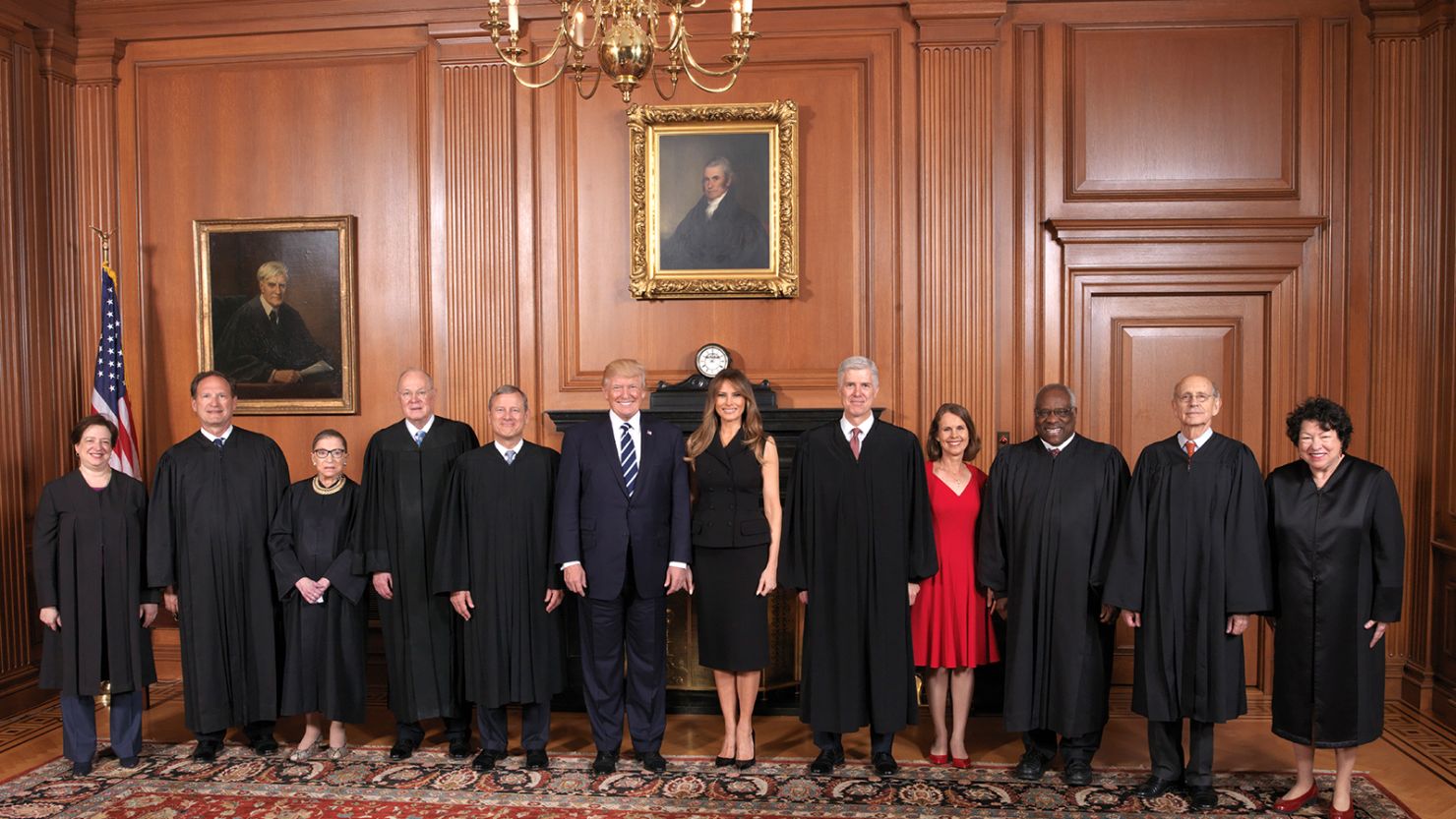
Capital market volatility is spiking as investors price in a possible $150 billion federal payout. The White House describes the resulting “mess” as a threat to fiscal stability and 2026 budget projections. Mid-tier manufacturers face frozen liquidity while the Court determines whether IEEPA allows open-ended global levies. If the 6‑3 conservative majority strikes down the duties, the resulting “Refund Trap” will involve years of administrative litigation and selective federal delays.
Regulatory precision is crucial. Finance teams must verify filings under IFRS 9 for contingent asset recognition and comply with SEC Form 10-K disclosure requirements. Failure to document “Unliquidated Entry” positions could result in audit penalties or delayed recovery. Treasury operations will also need to coordinate with the Department of Justice to track prospective vs. retroactive liability in the February transition.
Operational and Reporting Consequences
Reporting exposure for SEC-regulated entities now includes the need to disclose Contingent Tariff Assets on Q1 balance sheets. Asset recognition is complex, and audit standards are strict. Finance Decision-Makers must determine if potential refunds meet the “virtually certain” threshold under IFRS 9 and ASC 450 to book anticipated revenue.
Operational scalability is throttled by the White House’s “Plan B” strategy: the temporary reimposition of 15% tariffs under Section 122 of the Trade Act of 1974 for 150 days. Creditworthiness for trade-dependent industries is under review as rating agencies model the impact of a total cessation of “Reciprocal” and “Fentanyl” duties. Loss of $130 billion in federal receipts may force the administration to seek alternative funding, potentially affecting corporate tax incentives later in 2026.
Integration costs for secondary-market refund claims are skyrocketing. Hedge funds are buying “Tariff Credits” at discounts averaging 23 cents on the dollar. These “Distressed Trade Assets” require careful forensic valuation in M&A due diligence. Cash-flow friction is inevitable if the government must distribute refunds through outdated Customs and Border Protection systems. Any organization failing to document IEEPA-specific duty payments risks delays of several years.
Finance teams must also model multi-tier supplier risk. Subcontractors, foreign distributors, and freight intermediaries may have contributed to tariff-inclusive pricing. Discrepancies in historical accounting could create a cascading compliance failure, delaying refund claims further and increasing exposure to both regulatory fines and litigation risk.
ACE Portal Transition and Administrative Chokepoints
Administrative chokepoints are set to paralyze the U.S. Customs and Border Protection (CBP) infrastructure if the Supreme Court mandates a $130 billion disgorgement. The “mess” is technical and political. On February 6, 2026, CBP will transition to mandatory electronic-only refunds via the ACE Secure Data Portal. Importers not enrolled in ACH risk having their claims trapped in a legacy paper-to-digital processing vacuum.
Liquidity velocity for the Treasury hinges on a “Prospective-Only” legal defense, asserting that retroactive refunds would cause “catastrophic economic hardship.” For Corporate Treasurers, a Supreme Court victory may not translate to a cash injection but could limit the impact to future shipments. Statutory friction is compounded by the “Liquidation Trap,” where already-liquidated entries may be deemed closed unless a Post-Summary Correction (PSC) was filed.
Reporting exposure creates a dual-track problem for M&A leads: auditing both tariff payments and ACE readiness. Financial integration costs for Plan B are modeled as a 150-day executive pivot. Section 122 allows a 15% blanket tariff for five months, meaning net “tariff relief” in 2026 may remain limited even with a Supreme Court win. Operational teams should run stress tests for both digital and manual claim processing to avoid “refund bottlenecks” that could ripple through working capital for multiple quarters.
Retroactivity and Contractual Contagion Risks
Balance sheet liabilities are being reassessed due to the “Retroactivity Gap,” the primary legal battleground of 2026. The administration may invoke the “Equitable Hardship” doctrine to argue that retroactive refunding destabilizes federal liquidity, potentially restricting relief to a prospective-only remedy. Institutional investors face “binary risk”: headline victories may produce zero cash recovery for past duties paid.
Contractual contagion is spreading as “Tariff Pass-Through” clauses are triggered in reverse. Downstream customers will demand reimbursement under indemnity provisions, rendering refunds compliance-heavy but profit-neutral. Reporting exposure is further complicated as firms rebook previously expensed tariff payments as contingent assets. Under ASC 450, gains cannot be recognized until realized, leaving $130 billion as a “ghost asset.”
Operational scalability under Plan B may involve Section 232 investigations recategorizing defunct IEEPA levies as “National Security” protections. Finance Decision-Makers must track which statutory mask the tariffs wear in H2 2026, as cash flow projections may hinge on this determination.
Investor and Market Implications
Equity and bond markets are pricing in substantial uncertainty. Analysts modeling industrial supply chains and trade-exposed equities may undervalue or overvalue positions depending on refund assumptions. Treasury bond yields may fluctuate as investors anticipate large outflows from a $130 billion disbursement or as Plan B tariffs generate renewed revenue streams.
Corporate Treasurers should monitor market volatility metrics in real time, as importers’ exposure to potential refunds directly impacts working capital, debt covenants, and short-term liquidity. A failure to consider these market-linked consequences could result in mispriced risk and capital misallocation.
The potential global contagion is rising. Supply chain disruptions in Asia and Europe could depress exports, increase inventory holding costs, and drive currency volatility. Investors must price the risk that secondary tariffs or “prospective-only” rulings cascade through third-party vendors and international trade partners, creating a systemic liquidity shock.
Global Trade Contagion Risks
The $130 billion IEEPA refund risk is not isolated to U.S. trade. Countries heavily dependent on U.S. imports and exports—including Canada, Germany, South Korea, and Japan—may face unanticipated trade frictions. Banks facilitating cross-border payments could see delayed settlements, triggering liquidity constraints for multinational corporations. Treasury desks should model not just direct exposure but indirect exposure through suppliers, service providers, and logistics firms.
Financial institutions in emerging markets, particularly India, Turkey, and the UAE, are under immediate pressure. A sudden reallocation of global capital caused by retroactive refunds could drive sovereign credit downgrades. Corporates must assess off-balance sheet commitments, derivative hedges, and credit default swap positions linked to tariff-inclusive supply chains.
Additionally, freight and insurance markets will feel a surge in risk premiums. Container shipping, airfreight insurance, and trade finance facilities must now include the possibility of delayed reimbursement from CBP. Firms reliant on letters of credit or other collateralized trade instruments must anticipate temporary cash-flow immobilization that may span several fiscal quarters.
Currency markets may also react. A confirmed Supreme Court ruling could pressure the dollar if markets anticipate a $130 billion injection into global importers. Conversely, Plan B tariffs may strengthen the greenback temporarily, creating dual volatility zones for CFOs to navigate. Risk models should include scenario analysis across FX, commodity, and interest-rate exposure.
Strategic Irony: Executive Emergency Powers
Executive intuition suggests a national emergency under IEEPA provides permanent unilateral authority. This logic fails in 2026. The very “emergency” used to bypass Congress is being questioned by the Supreme Court as an overreach. If trade deficits constitute a permanent emergency, the President’s power becomes virtually unlimited—a concept even the conservative 6‑3 majority finds constitutionally repellent.
Operational scalability is being sacrificed for “Negotiation Leverage.” Using IEEPA for a $130 billion fiscal objective created a single point of failure. Treasury’s $774 billion cash balance could cover payouts, but the administrative complexity ensures delayed distribution. Finance Decision-Makers must recognize that legal victory may not yield immediate liquidity.
Boardroom FAQ: The Supreme Court Tariff Ultimatum
What happens if the Supreme Court strikes down IEEPA tariffs on Wednesday?
The government must cease collection immediately, but refunds are not automatic. Firms may need to navigate the ACE portal or file individual Court of International Trade lawsuits.
Why is the $130 billion refund a “complete mess”?
No administrative mechanism exists to automatically refund multi-sector global tariffs. Determining ultimate cost-bearing—the importer, supplier, or consumer—is a complex forensic exercise.
Can the President move tariffs to a different law?
Yes. Plan B uses Section 122 (15% tariffs for 150 days) or Section 232 (National Security). These require investigations and offer less unilateral flexibility than IEEPA.
How does the February 6 ACE portal deadline affect refund claims?
All CBP refunds must be electronic via ACH. Failure to register by February 6 could trap claims in paper-processing delays.
What is the “Prospective-Only” risk?
The Court could rule that while tariffs were illegal, previously collected funds are non-recoverable. Businesses could lose $130 billion despite a legal victory.
What should M&A leads prioritize?
Audit targets for IEEPA-specific tariff exposure and ACE portal registration. Identify contingent assets, stranded claims, and contractual clawback liabilities.
How are equity markets impacted?
Companies with significant import exposure may see valuation swings. Treasury and bond yields could react to either prospective refunds or renewed Plan B tariffs.
Financial Insight:👉Trump's Secondary Tariffs on Iran: Executive Risk and M&A Implications👈
High-Intent Strategic Tags: #IEEPAStatutoryRisk #SupremeCourtTariffRuling #130BillionRefundAudit #TradeCompliance2026 #ExecutiveOverreachForensics #ACEPortalTransition #TreasuryLiquidityCrisis