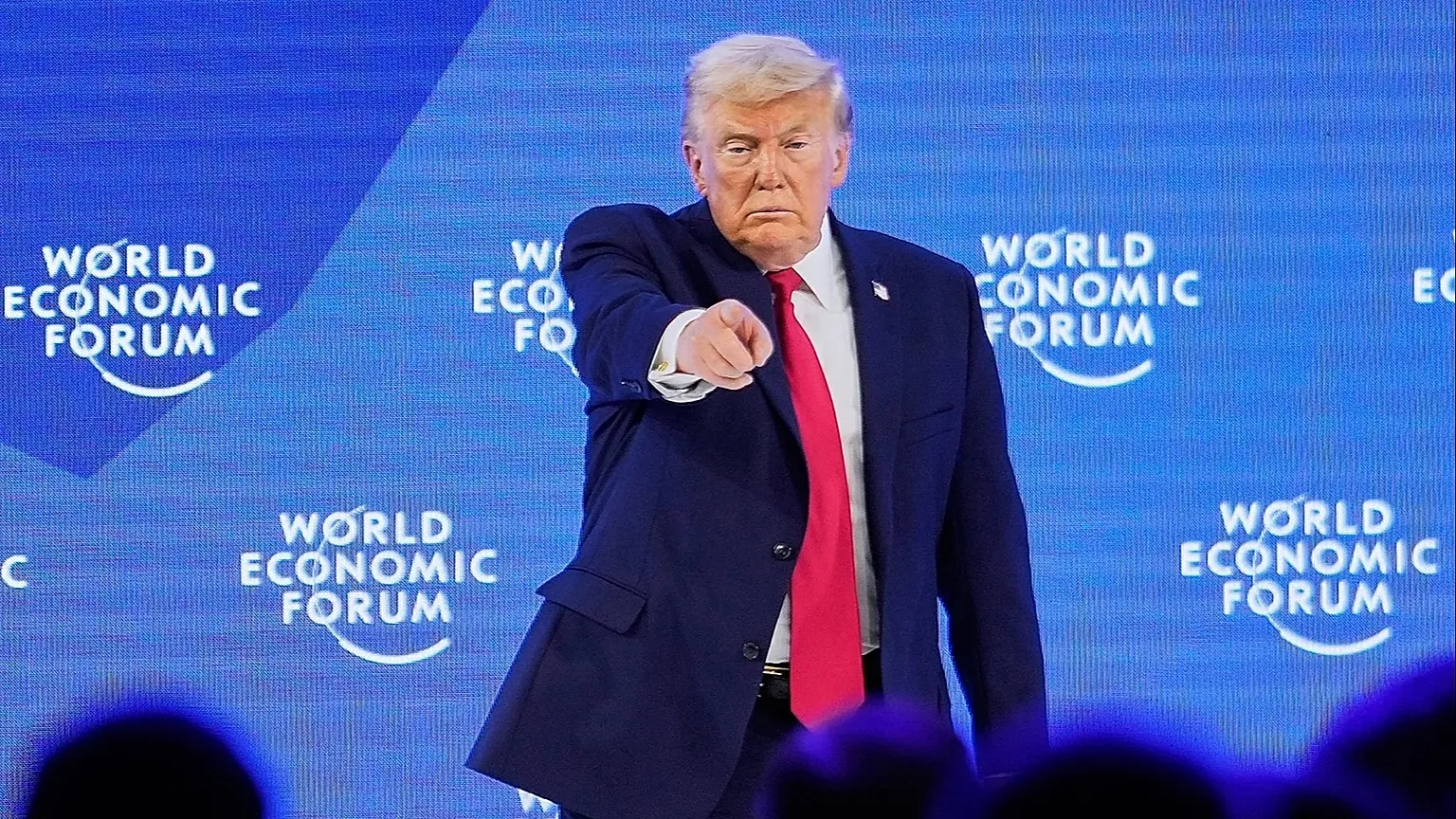
When President Donald Trump announced a “framework of a future deal” on Greenland after discussions with NATO, the ripple effects extended far beyond diplomacy. Speaking on Truth Social, Trump said, “We have formed the framework of a future deal with respect to Greenland and, in fact, the entire Arctic Region. This solution, if consummated, will be a great one for the United States of America, and all NATO Nations.”
While headlines focused on rhetoric, the real story lies in how businesses, investors, and Arctic security stakeholders will respond. Greenland’s vast mineral wealth, strategic location, and existing U.S. military presence make it a key piece in long-term global planning. Understanding what’s next is critical for companies operating in technology, energy, defense, and logistics sectors.
Why Greenland Matters Beyond Headlines
Greenland isn’t just ice and snow. Its rare earth mineral reserves—vital for electric vehicles, wind turbines, smartphones, and semiconductors—are largely untapped. For tech companies reliant on stable supplies of these minerals, even incremental changes in access or policy could affect production timelines, pricing, and sourcing strategies.
The island’s geography also adds strategic value. Positioned between North America and Europe, Greenland is a key point for Arctic military and intelligence operations. The U.S. already maintains personnel at the Pituffik base, but Trump’s comments suggest a potential expansion of U.S. military infrastructure, which could reshape regional defense dynamics and open opportunities for contractors and logistics providers.
Beyond minerals and military presence, Greenland represents geopolitical leverage. With China actively pursuing Arctic trade routes and resources, any U.S. framework could alter the balance of power in the region, prompting Europe, Canada, and Asian investors to reconsider Arctic-focused investments or partnerships.
How Companies and Markets Feel the Pressure
Pressure is building across multiple fronts. Denmark faces the delicate task of negotiating U.S. demands while safeguarding Greenlandic autonomy. Prime Minister Mette Frederiksen stated, “We cannot negotiate on our sovereignty,” and Greenlandic lawmakers insist that decisions about resource access must include local input.
For global companies, stakes are operational and financial. Rare earth suppliers and technology manufacturers may experience pricing volatility and sourcing uncertainty depending on Greenland’s mineral governance. Defense firms, meanwhile, could see new opportunities if expanded U.S. military installations create demand for construction, equipment, and support services.
Investors are also recalibrating risk. Potential U.S. access to Greenland’s minerals and infrastructure could reshape commodity markets, influence long-term supply chains, and prompt reassessment of investments in Arctic shipping, renewable energy, and mining. Companies with exposure to Arctic logistics or high-tech materials may need to adjust projections and strategic plans accordingly.
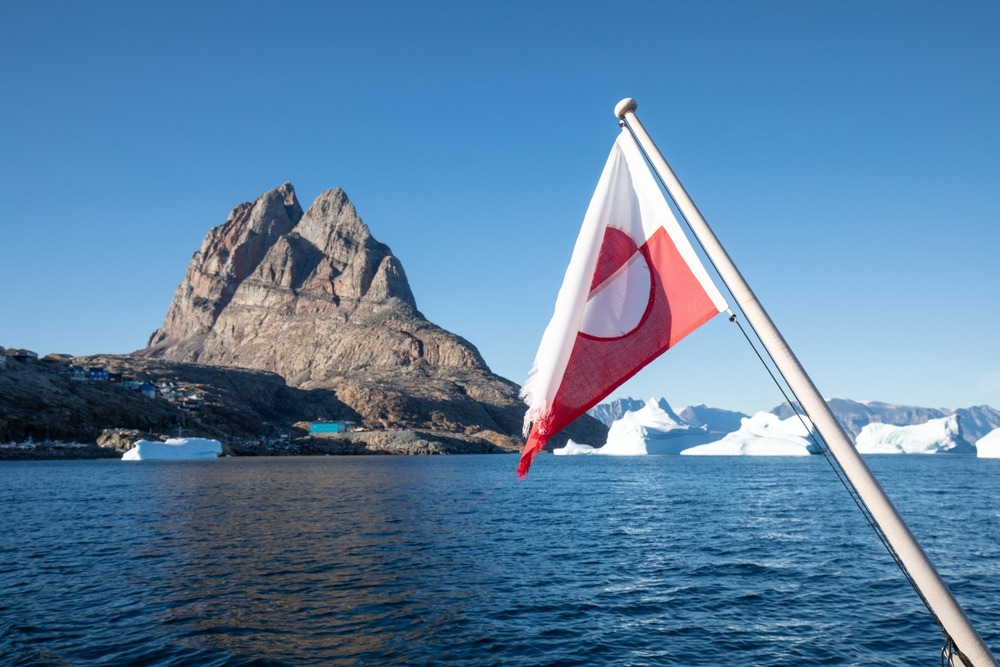
Greenland’s flag stands against the vast Arctic landscape — an island rich in resources and strategic power, now at the centre of global geopolitical tension.
Potential Ripple Effects for Trade and Geopolitics
Trump’s comments on Truth Social underscore how Greenland touches not just resources and defense, but also international trade. The initial threat of tariffs on European goods—now suspended—highlighted the U.S. willingness to link Arctic negotiations to broader commercial leverage.
For business leaders, this creates uncertainty. Companies that rely on transatlantic trade may have to factor potential tariffs or renegotiations into planning, especially if Arctic resource access becomes a bargaining chip. Meanwhile, European and Nordic governments are balancing economic, environmental, and political pressures, influencing corporate strategies and market expectations.
Environmental and sustainability considerations also play a growing role. Greenland’s fragile ecosystem could complicate mining and infrastructure plans. Firms interested in long-term Arctic projects must now incorporate climate and regulatory risk assessments alongside strategic and financial analysis.
What the U.S. Framework Could Trigger Next
Negotiations between the U.S., Denmark, and Greenland are ongoing. While Trump emphasizes there will be no military force involved, discussions hint at expanded U.S. operations in the Arctic, possibly mirroring models like the British sovereign bases in Cyprus. This could have lasting operational implications for defense contractors, security firms, and supply chain partners.
If the U.S. gains enhanced access to Greenland’s minerals, companies producing EVs, wind turbines, semiconductors, and other tech products could see more predictable supply, potentially lowering costs and stabilizing production timelines. Conversely, firms outside U.S.-aligned partnerships may need to diversify sourcing or hedge against geopolitical supply risks.
European countries may adjust investment strategies to maintain influence in the Arctic. Greenland’s local leaders and communities face significant pressure too, weighing the economic benefits of U.S. involvement against the long-term sovereignty and environmental impacts of foreign operations. Decisions made in the coming months will likely define Greenland’s economic and strategic role for decades.
The Bottom Line for Companies and Investors
Trump’s Greenland announcement is more than political theater—it signals strategic, financial, and operational ripple effects that businesses cannot ignore. Arctic minerals, military positioning, and international trade dynamics are all intertwined, and each will affect technology supply chains, defense planning, and investment priorities.
For executives and investors, the lesson is clear: this story is about future opportunity and risk, not immediate headlines. Decisions in the next phase will shape access to critical resources, influence market pricing, and set Arctic geopolitical dynamics for years. As Trump stated, “This solution, if consummated, will be a great one… for all NATO Nations.” Beyond the rhetoric, the framework initiates a series of commercial and strategic dominoes that businesses, investors, and policymakers must follow closely.
People Also Ask: What Greenland’s Potential Deal Means for Business
Could Greenland’s mineral resources reshape global tech supply chains?
Yes. Greenland’s rare earth minerals are essential for semiconductors, electric vehicles, and renewable energy technologies. If U.S. companies gain more access, it could stabilize supply for American manufacturers while potentially increasing competition or costs for firms outside the U.S. market. Investors and tech companies may need to reassess sourcing strategies and diversify suppliers to avoid disruptions.
How might expanded U.S. military presence affect local Greenlandic businesses?
Increased U.S. operations could create new commercial opportunities for logistics, construction, and service providers on the island. At the same time, companies may face regulatory and environmental compliance pressures, as Greenlandic authorities and communities prioritize sustainability alongside economic development. Long-term contracts and partnerships could hinge on balancing local expectations with U.S. strategic objectives.
What risks should global investors watch in the Arctic following this announcement?
Arctic investments face geopolitical and environmental uncertainties. While U.S. involvement could enhance security and resource access, changing policies or international pushback could affect commodity pricing, shipping routes, and project timelines. Investors should monitor negotiations closely, considering both the potential upside of stable mineral supplies and the risks from evolving international agreements or sovereignty disputes.