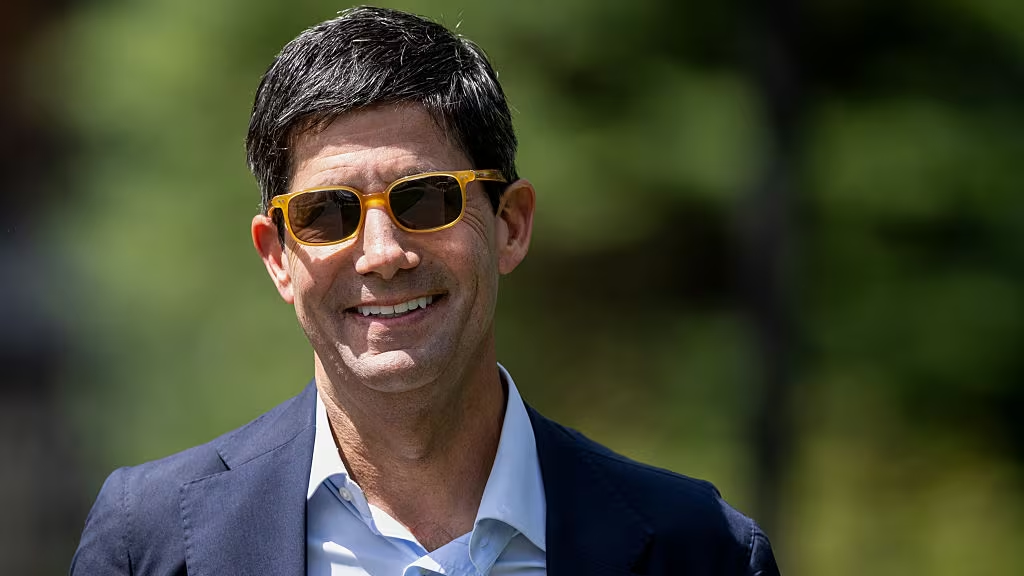
President Donald Trump’s nomination of Kevin Warsh to replace Jerome Powell as Federal Reserve chair has thrust the central bank into unprecedented scrutiny.
The announcement comes amid a backdrop of political pressure, including a criminal investigation into Powell and attempts to remove another Fed governor. Markets, lawmakers, and the public are now confronted with a tangible risk: the Fed’s independence appears compromised, and decisions on interest rates and inflation management could be influenced by politics rather than economics.
Oversight Gaps Leave Fed Vulnerable to Political Pressure
The nomination process revealed structural weaknesses in the checks and balances designed to protect the Fed’s neutrality. Internal protocols that normally ensure merit-based selection are strained under presidential pressure and public spectacle.
Safeguards meant to shield the institution from external influence, including oversight by Congress and adherence to statutory independence, have been tested as procedural norms were overshadowed by public lobbying and executive theatrics. The combination of rapid candidate vetting and Trump’s explicit dissatisfaction with Powell created a fractured environment in which institutional safeguards were circumvented.
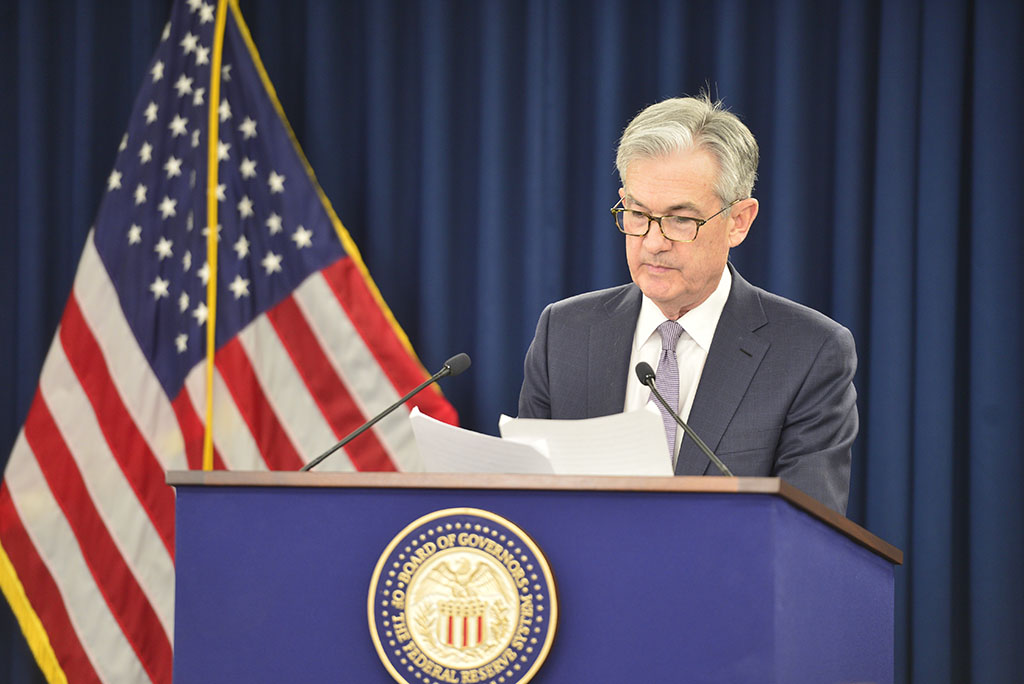
Federal Reserve Chair Jerome Powell delivers remarks at a public event as markets react to growing questions over central bank independence.
Economic Stability at Stake as Interest-Rate Control Shifts
The consequences of this exposure are far-reaching. If a Fed chair is perceived as politically motivated, public confidence in monetary policy could erode, threatening economic stability.
Markets rely on credible, predictable policy; uncertainty can amplify volatility in interest rates, credit markets, and investment strategies. Internationally, central banks may view the U.S. as a less reliable partner, potentially destabilizing financial coordination. The situation raises questions about whether political influence could override inflation targets, employment goals, or broader macroeconomic safeguards.
Unclear Responsibility Fuels Public Doubt
Responsibility for ensuring the Fed’s impartiality is ambiguous. While the president has nomination authority, Congress and internal Fed boards are meant to vet candidates objectively. In this case, neither branch fully enforced independence: senators may hesitate to oppose a popular nominee amid party pressures, and the Fed’s internal governance cannot prevent public lobbying.
The investigative actions toward Powell further complicate accountability, creating a scenario in which no single entity is clearly responsible for maintaining neutrality, leaving the institution exposed to potential conflicts of interest.
Speed vs Safety: Can the Fed Navigate Political Pressure?
The Warsh nomination underscores the enduring tension between executive influence and institutional independence. Speedy political decision-making clashes with careful economic stewardship.
Advocates for presidential prerogative argue that responsiveness to inflation and cost-of-living pressures is essential, while critics emphasize long-term market stability and trust in the Fed’s nonpartisan mandate. The broader question emerges: can political oversight coexist with central bank autonomy, or are these crises inevitable when powerful actors exert influence over institutions designed for impartiality?
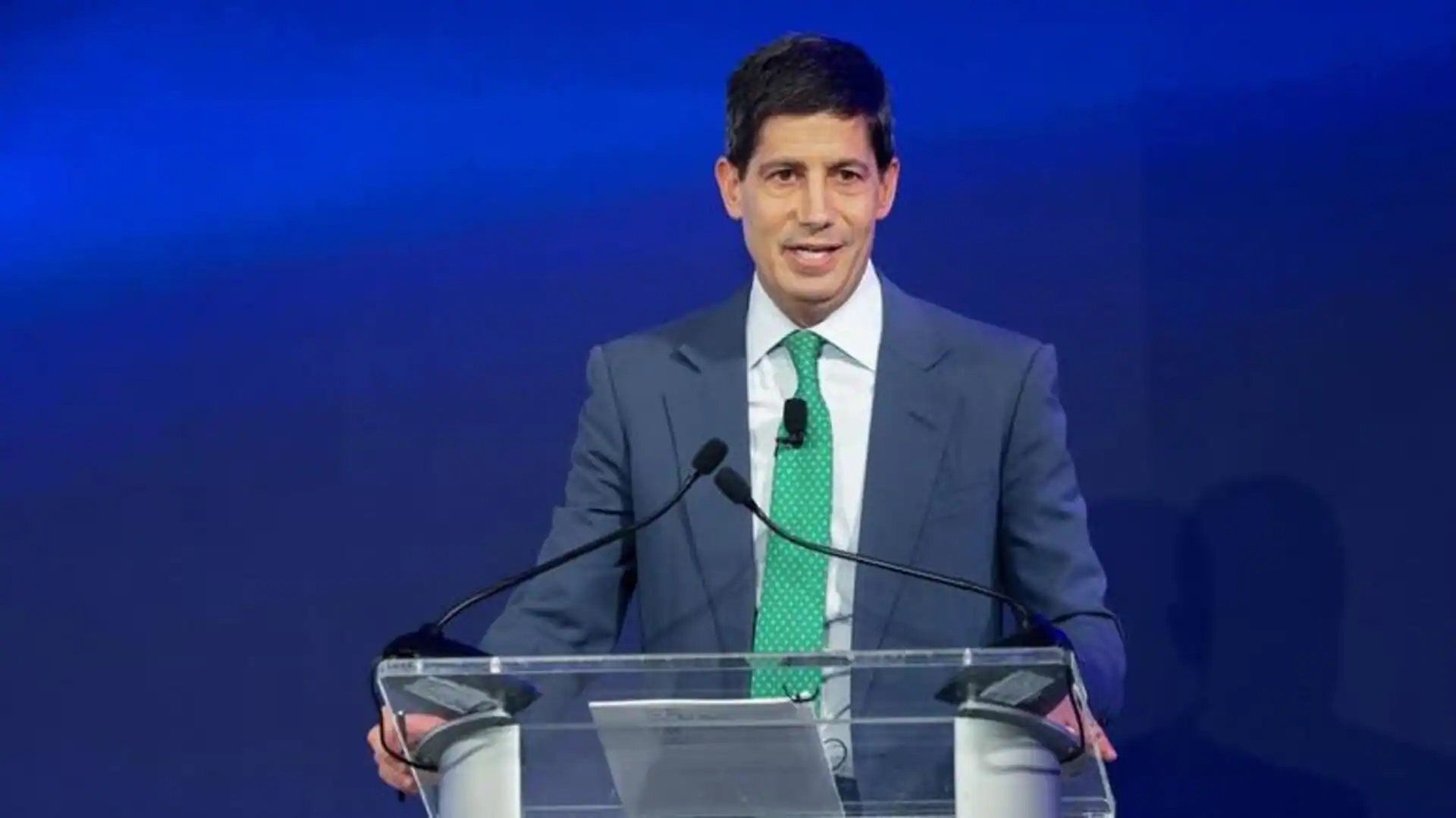
Kevin Warsh speaks publicly on economic policy, emphasizing his expertise and vision as he steps into the spotlight amid his nomination for Federal Reserve chair.
Senate Scrutiny and Unresolved Oversight Questions
The Senate Banking Committee has scheduled hearings to evaluate Warsh’s suitability, focusing on his prior stances and recent policy shifts. Media and market analysts are monitoring potential rate-setting promises and political alignment.
Concurrent investigations into Powell and governance procedures create an environment where procedural clarity is overshadowed by uncertainty. While Warsh’s nomination may proceed, the exposure has already signaled that central bank oversight mechanisms are under stress, and similar vulnerabilities could exist in other independent financial institutions.
Institutional Trust Hangs in the Balance
Public trust in the Federal Reserve is now under scrutiny. The perception that political pressure can shape policy decisions risks long-term credibility and confidence in U.S. financial governance.
Once trust erodes, restoring it is challenging; even careful communication or corrective measures may not fully repair reputational damage. The Warsh nomination exemplifies the fragility of institutional independence when oversight gaps are exploited, leaving citizens, investors, and global partners questioning how such a system failed to prevent interference.