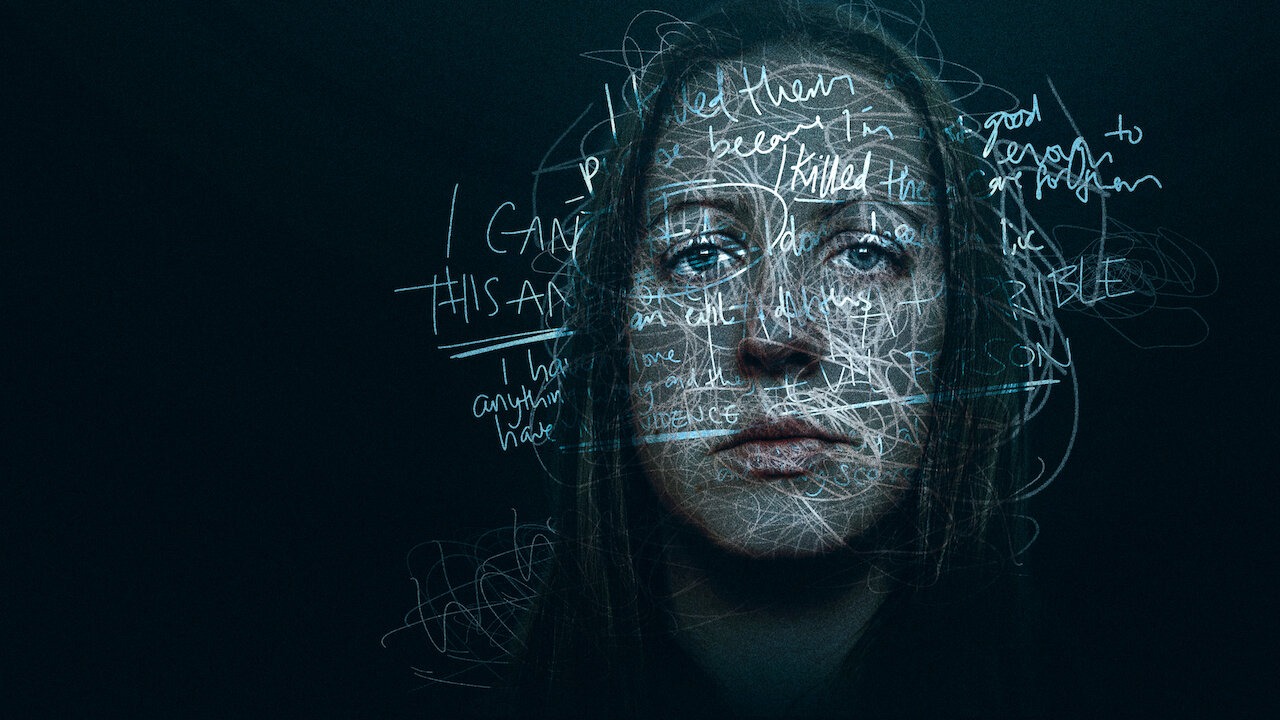
Netflix moved ahead with the release of The Investigation of Lucy Letby on Feb. 4, putting new footage from the case onto a global streaming platform.
That decision removed any remaining control Lucy Letby’s parents had over how their private lives intersect with one of Britain’s most notorious criminal cases. What had settled into silence for them has now been reopened, publicly and permanently.
For Susan and John Letby, the shift is not abstract or symbolic. Images of their home, filmed without their knowledge, are now available to millions of viewers at the click of a button. The boundaries they believed still existed between public record and private life no longer hold.
In a statement given to The Guardian on Feb. 1, the couple said they will not watch the documentary. They described it as “a complete invasion of privacy” and said viewing it would likely be unbearable for them. Their words landed just days before the series went live.
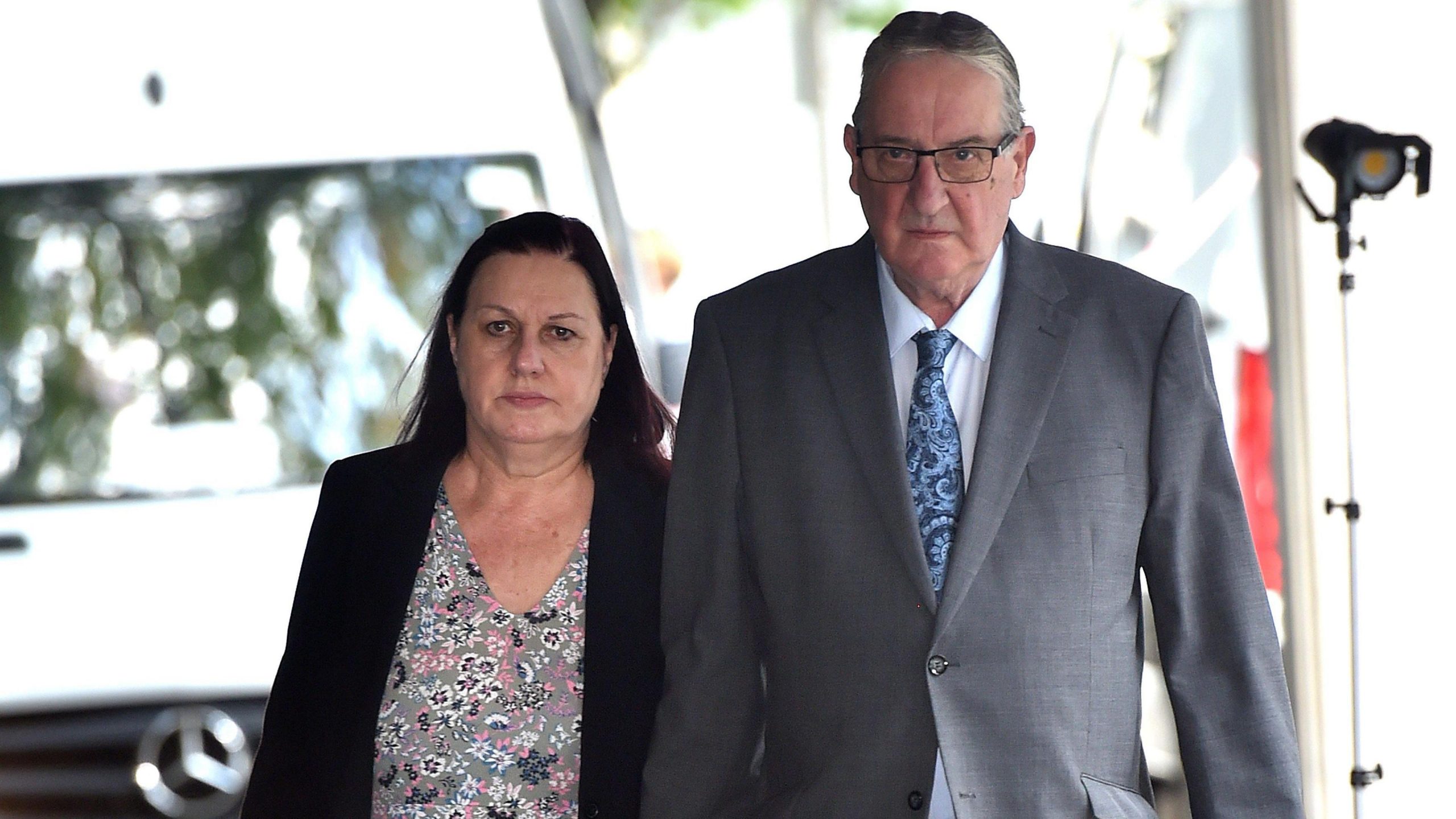
Susan and John Letby have criticized Netflix’s documentary for using footage of their home without consent, saying it adds to their ongoing distress.
The Release That Changed Everything
The procedural change is simple but heavy. A commercial streaming service has taken material gathered during a police investigation and repackaged it as entertainment, without notifying the people whose home appears on screen. That choice alters who carries the emotional and reputational cost.
The Letbys say previous coverage, including nightly news footage and BBC programs, was already painful. Those moments were at least tied to court timelines and public necessity. The Netflix series, they argue, crosses into something else entirely.
One of the most distressing elements for them is footage showing Lucy Letby being arrested in her bedroom. The clip includes her saying goodbye to one of her cats inside the house where her parents have lived for four decades. That moment, once contained within police records, is now promotional material.
A Private Home Turned Public Scene
The immediate pressure is exposure without consent. The Letbys live in a small cul-de-sac in a small town, a setting where anonymity was already fragile. With their house now identifiable to viewers worldwide, that fragility is gone.
They say they only learned about the footage because Lucy Letby’s barrister told them. Netflix and ITN Productions did not contact them directly, according to their account. That gap in communication has become its own source of anger and shock.
Their criticism is not limited to the platform. They questioned why a senior investigating officer, Paul Hughes, was allowed to describe and show what took place inside their home during Lucy Letby’s arrest. From their perspective, cooperation with police has resulted in further loss of privacy.
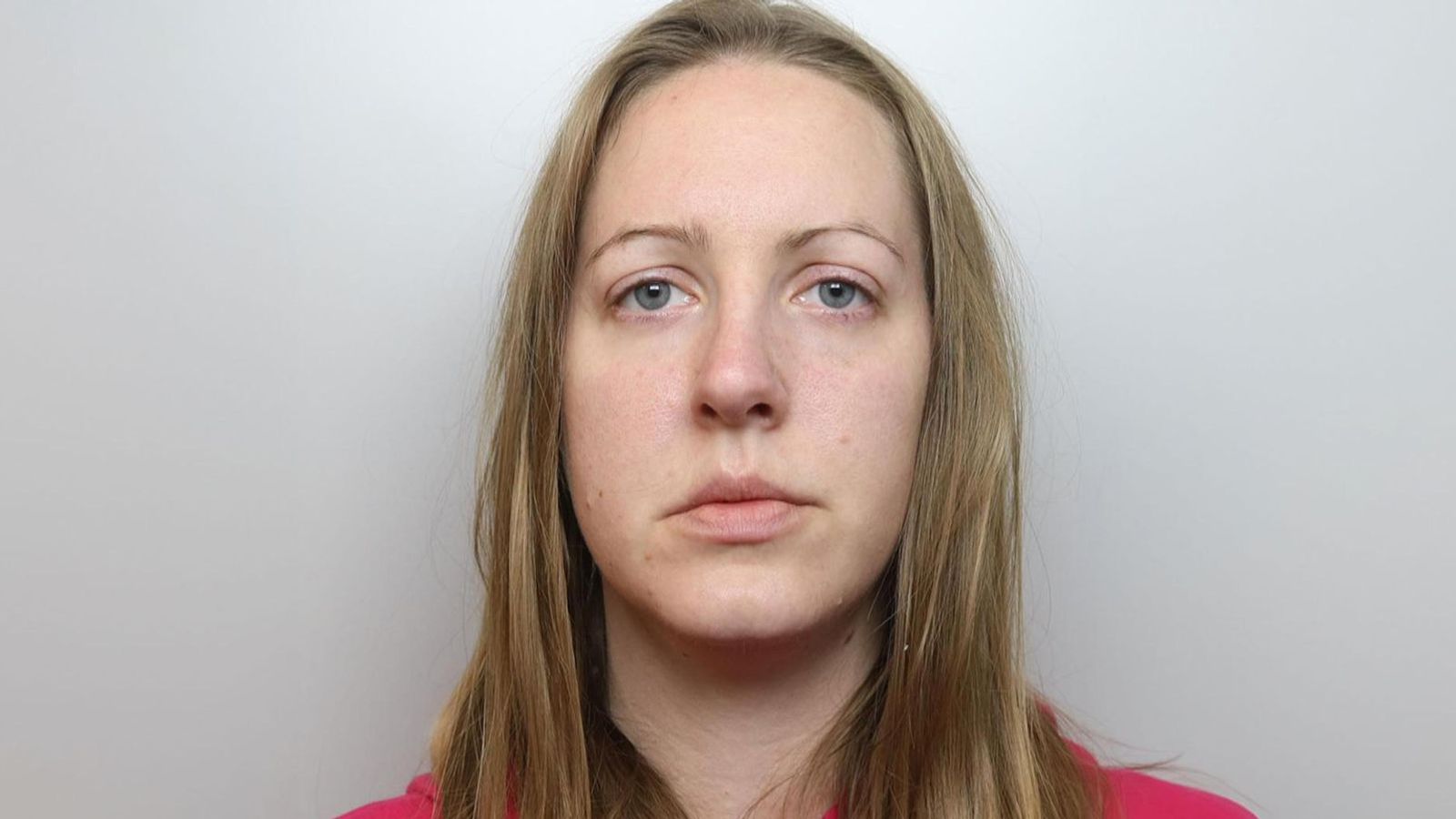
Lucy Letby was arrested in 2020 and later convicted of murdering seven babies and attempting to kill six others, central to the Netflix documentary.
Pressure Spreads Beyond the Family
That cooperation happened years earlier, during the investigation that led to Lucy Letby’s arrest in 2020. At the time, the Letbys were dealing with shock and disbelief inside a closed process. Now that process has been reopened in a different format.
Lucy Letby was convicted in August 2023 of murdering seven babies and attempting to murder seven others while working as a neonatal nurse. She was sentenced to 15 whole-life terms and is currently incarcerated at HMP Low Newton. Those facts are settled in court, but the emotional fallout for her family has not ended.
The Netflix series promises “unseen footage and unheard insider accounts.” That framing increases pressure on everyone connected to the case, not just the convicted nurse. For her parents, it means more details may surface without warning.
Secondary pressure is now spreading beyond the Letby household. Law enforcement figures, production companies, and streaming platforms are being watched for how they handle real homes and real families tied to criminal cases. Silence or delay in responding only amplifies scrutiny.
The Case Is Closed, But the Exposure Isn’t
Netflix and ITN Productions did not immediately respond to requests for comment as of Feb. 1. That lack of response leaves unanswered questions hanging in public view. For the Letbys, each unanswered question compounds the sense of being sidelined.
There is also a timing squeeze. Once a documentary is released globally, there is no practical way to pull back footage already consumed and shared. Any concern raised after release carries less weight than one addressed before. Waiting now has a cost. The longer the series streams without explanation or acknowledgment, the more normalized the footage becomes. What feels shocking this week risks becoming accepted context next month.
This situation fits into a broader pattern where true crime storytelling keeps expanding faster than the guardrails around it. High-profile convictions no longer close a chapter; they often trigger a second wave of exposure. Families connected to the offender, not just victims, are pulled back into public view.
For Susan and John Letby, the pressure is intensely local. Their home is no longer just their home; it is now a location known to strangers. That reality changes how safe and private everyday life feels.
They have not suggested legal action or demanded changes publicly. Instead, their statement focuses on distress, surprise, and a sense of basic decency being absent. That restraint underscores how limited their options appear.
The documentary’s release also coincides with Lucy Letby’s ongoing appeals process. While the series does not alter court rulings, it adds noise around a case that is still procedurally active. That overlap increases tension rather than resolving it.
For viewers, the series arrives as another chapter in a story many believed had reached its end. For the Letbys, it lands as a reopening of wounds they were trying to live around. Those two experiences sit uneasily beside each other. Right now, nothing has been resolved. The footage is live, the statements are out, and the response from those responsible has yet to materialize. The imbalance between global reach and personal consequence remains.
Susan and John Letby are still living in the same house, in the same town, with no clear sense of how long this renewed attention will last. They are not engaging with the documentary and cannot stop others from watching it. The system has moved, and they are left inside the uncertainty it created.
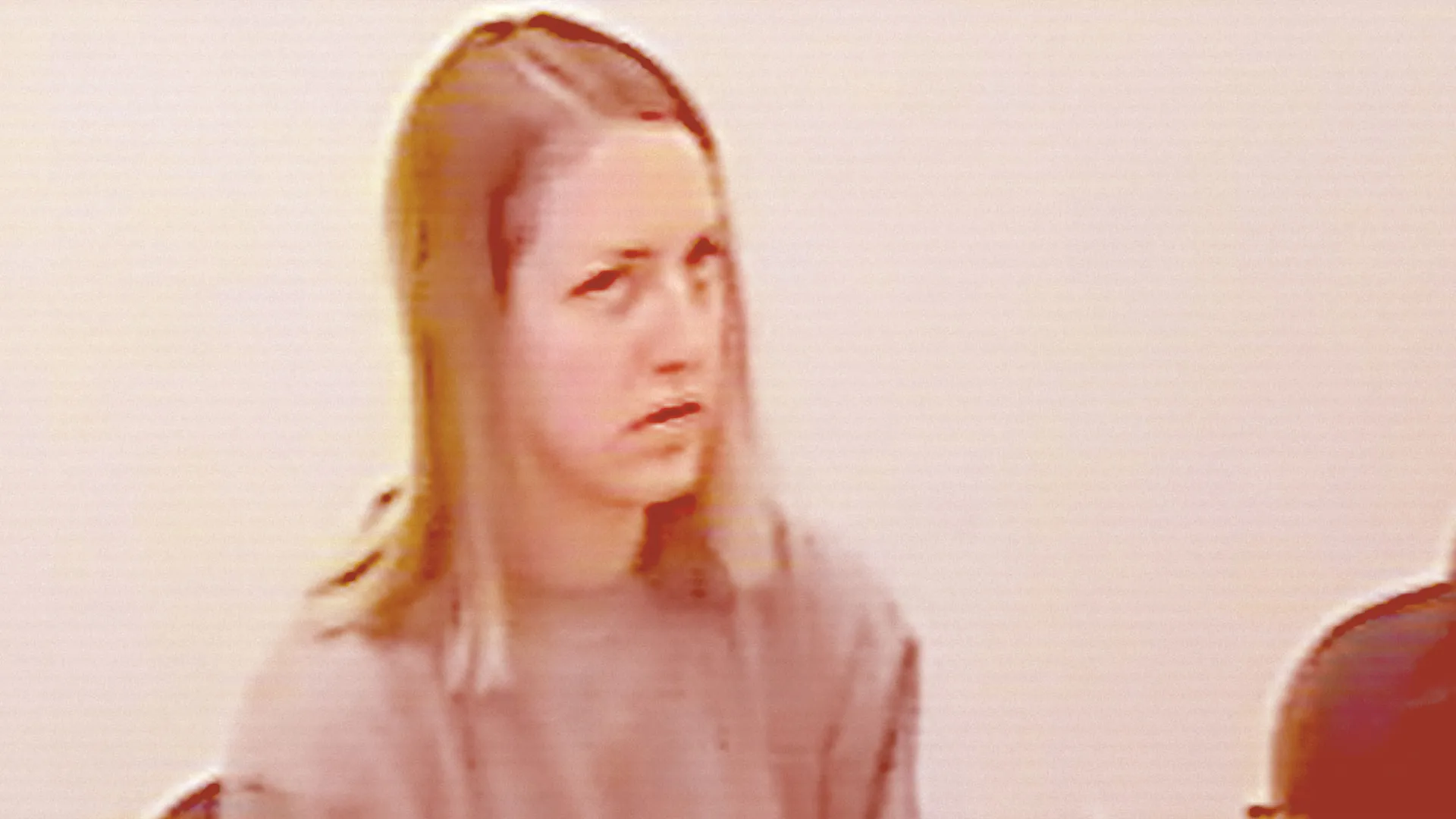
Lucy Letby questioned by police during the investigation into the deaths of babies at the Countess of Chester Hospital, footage referenced in the Netflix documentary.
Where the Lucy Letby Case Stands Now
Lucy Letby remains in prison serving 15 whole-life sentences following her 2023 convictions for murdering seven babies and attempting to murder six others at the Countess of Chester Hospital. Those verdicts remain legally intact, and no court has overturned or reduced them.
Since the trial concluded, Letby has pursued multiple appeals challenging the safety of the convictions. Each appeal has been rejected so far, leaving the original jury findings and sentencing unchanged. For the justice system, the case is formally closed at the trial level.
Behind the scenes, however, pressure has continued to build. In 2025, medical experts instructed by Letby’s defence reviewed evidence presented at trial and argued the babies’ deaths could be explained by natural causes or substandard medical care rather than intentional harm. Those claims did not reopen the case but intensified scrutiny.
Last year, 31 expert reports were submitted to the Criminal Cases Review Commission, the independent body responsible for examining potential miscarriages of justice. The commission is still reviewing whether the convictions warrant referral back to the Court of Appeal. No decision has yet been announced.
In January 2026, prosecutors confirmed that Letby would face no further criminal charges. While that ruling closes the door on additional prosecutions, it does not resolve the wider questions surrounding how events at the hospital were investigated or interpreted.
Separate inquiries into hospital practices and clinical standards continue, running alongside a public debate that has not faded with time. With appeals exhausted, reviews ongoing, and no clear timetable for resolution, the case remains legally settled but socially and emotionally unsettled — a tension that shows no sign of easing.