This week, a familiar pattern in digital wealth quietly repeated itself. Cody Ko listed a multimillion-dollar Malibu property for sale during a period of growing uncertainty around how durable creator income really is.
The property, once owned by Reese Witherspoon, is priced just under $9.3 million. Ko bought the home less than three years ago for $7.7 million.
On paper, the listing looks like a routine real-estate transaction. For people tracking the creator economy, it reads as a timing decision that’s hard to ignore.
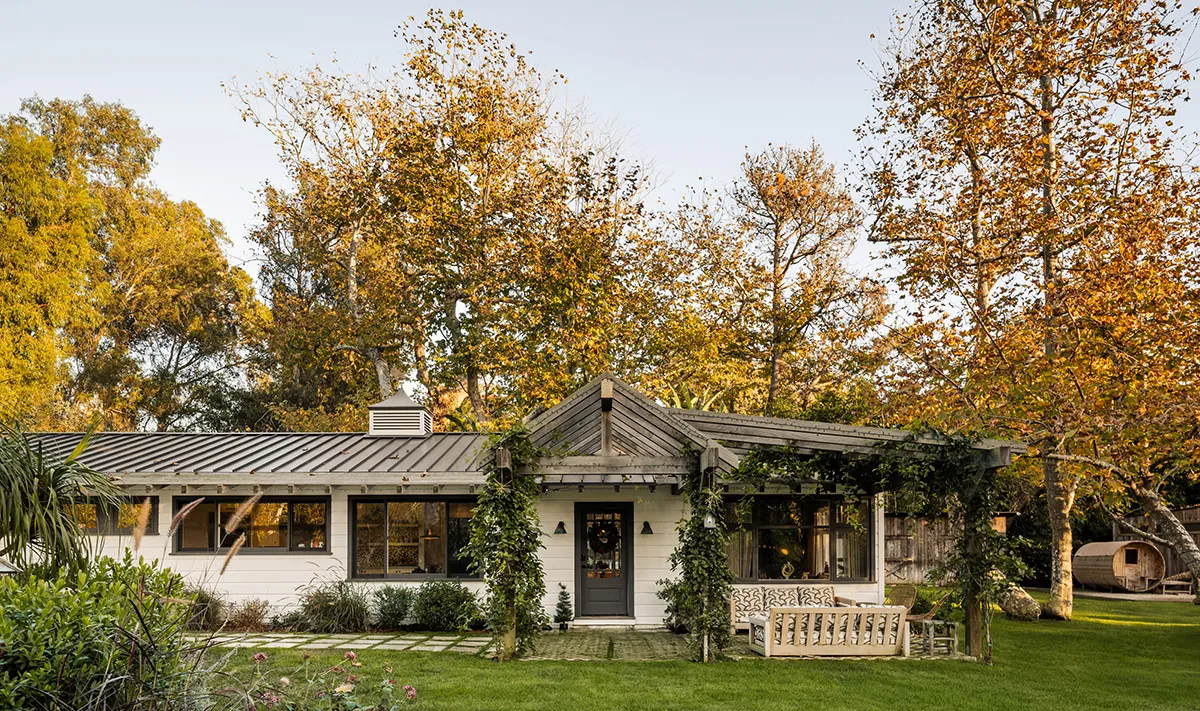
Known as Cranberry Ranch, the home sits above Zuma Beach and includes a three-bedroom main residence, a converted entertainment barn, a gym, a podcast studio, and a permanent Airstream trailer.
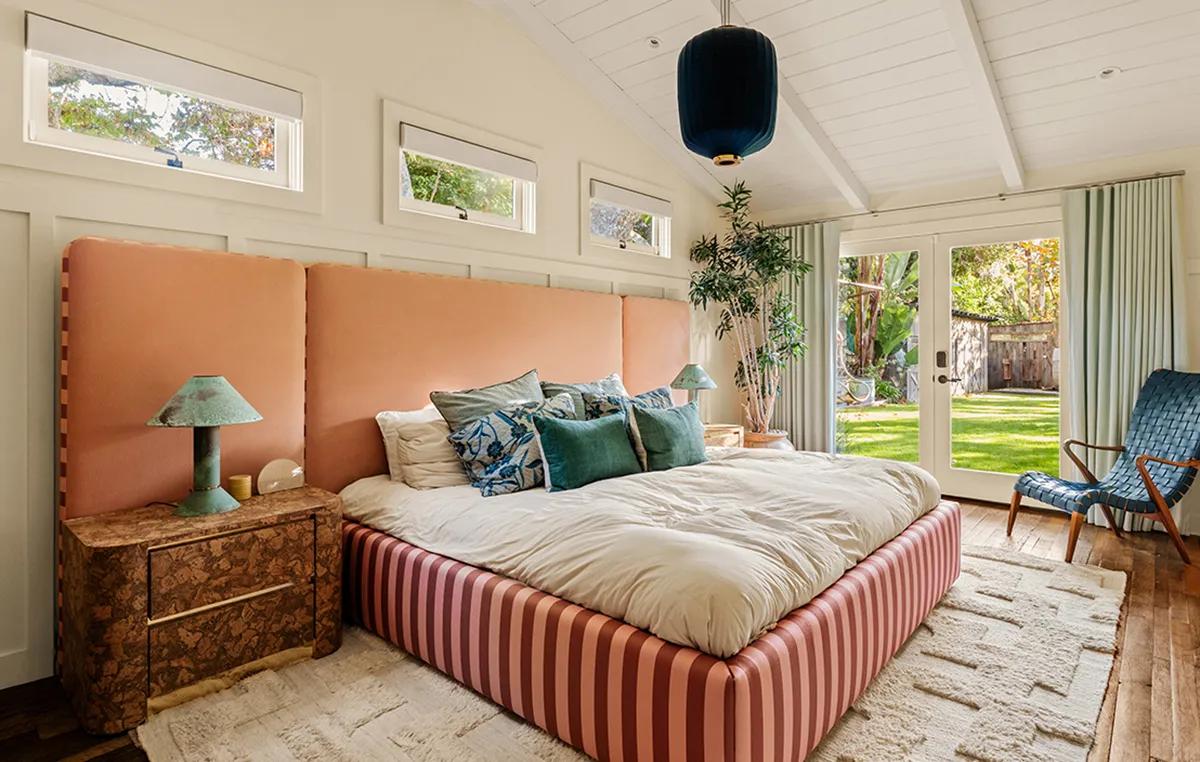
A bedroom inside the Malibu property listed by YouTuber Cody Ko, showing the type of interior spaces included in the $9.3 million listing.
It’s a property designed to support both living and monetised content production. What’s changed isn’t the house. It’s the confidence environment around it.
Fast Money Meets Slow Assets
Creator wealth is built differently from traditional celebrity or executive income. It flows through advertising budgets, platform algorithms, sponsorship deals, and audience attention, all of which can shift faster than property markets ever do.
Luxury real estate, by contrast, locks capital in place. It assumes buyer confidence, stable demand, and patience. When those assumptions wobble, even slightly, liquidity starts to matter more than prestige.
Listing a high-value Malibu property isn’t a distress signal. But it is a form of exposure management.
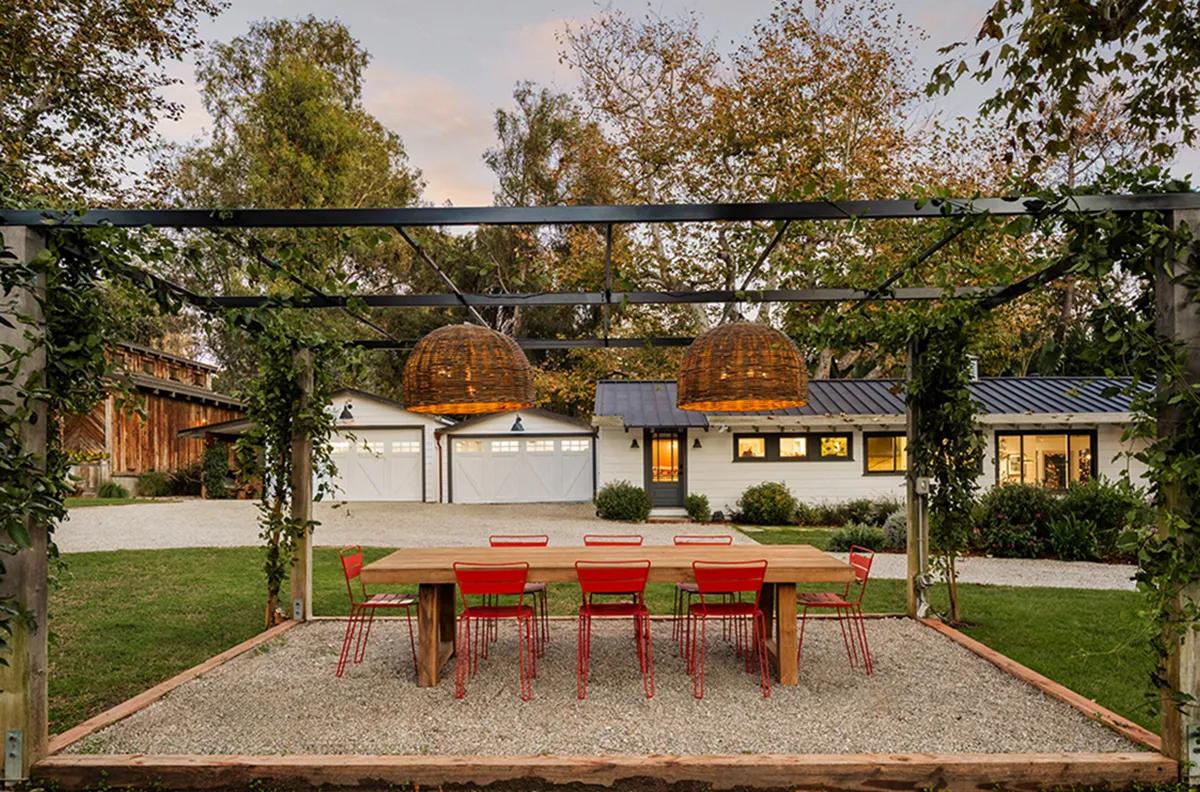
An outdoor dining pavilion on the Malibu property listed by YouTuber Cody Ko, reflecting the type of multi-use spaces built for gatherings and events.
For creators whose income is closely tied to platform economics, timing matters especially when ad spending, brand partnerships, and online engagement are no longer moving in a single upward direction.
A Pattern That’s Hard to Ignore
Ko’s Malibu listing doesn’t stand alone. He also owns an oceanfront Malibu home that is currently on the market at $3.75 million, down from its original asking price of nearly $4 million. In 2023, he sold a Venice compound for its full asking price.
Individually, these are rational portfolio moves. Together, they suggest a quieter reassessment underway among digital-first earners: how much wealth should remain parked in slow, illiquid assets when income visibility is less certain than it once appeared?
That question isn’t unique to influencers. Freelancers, online entrepreneurs, and platform-dependent workers have been asking versions of it for months , often without a clear signal to anchor the concern. High-profile exits like this provide one.
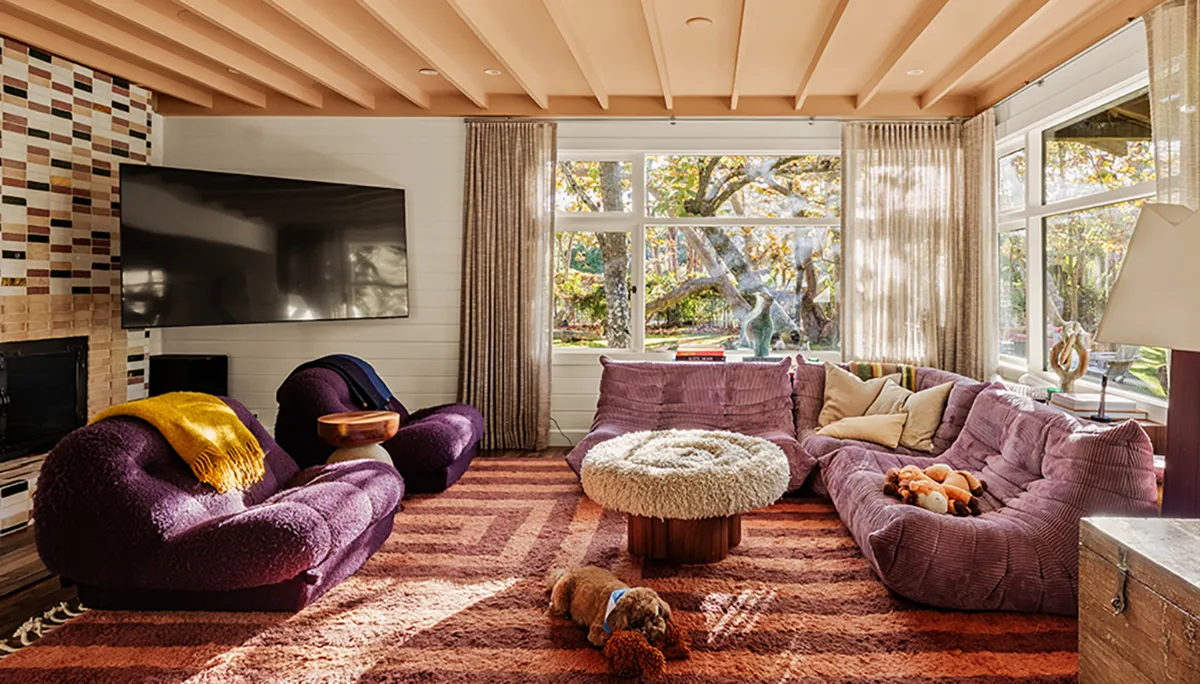
The dining area inside the Malibu property listed by YouTuber Cody Ko, reflecting interior spaces designed for hosting and flexible use.
Why This Resonates Beyond Influencers
The creator economy has long been held up as proof that online income can translate into long-term financial security. Expensive homes, luxury cars, and headline purchases reinforced that idea.
But real estate sales don’t just reflect success. They reflect confidence or the decision to reduce exposure while markets still allow it.
For people watching from the outside, the unease doesn’t come from believing creator wealth is collapsing. It comes from uncertainty about timing. Are early movers seeing conditions shift before the broader audience feels it?
That question alone is enough to change behaviour.
The Unspoken Calculation
No announcement accompanied the Malibu listing. No statement about market fears or income pressures. That silence is part of what gives the move weight.
When visible earners quietly rebalance assets, it forces others to ask whether they should be rethinking plans of their own, delaying purchases, prioritising liquidity, or questioning how permanent digital income really is.
The creator economy hasn’t broken. But the era of effortless confidence may be giving way to something more cautious.
And when people who benefited most from the upside start acting with restraint, it tends to be noticed, even if no one says it out loud.