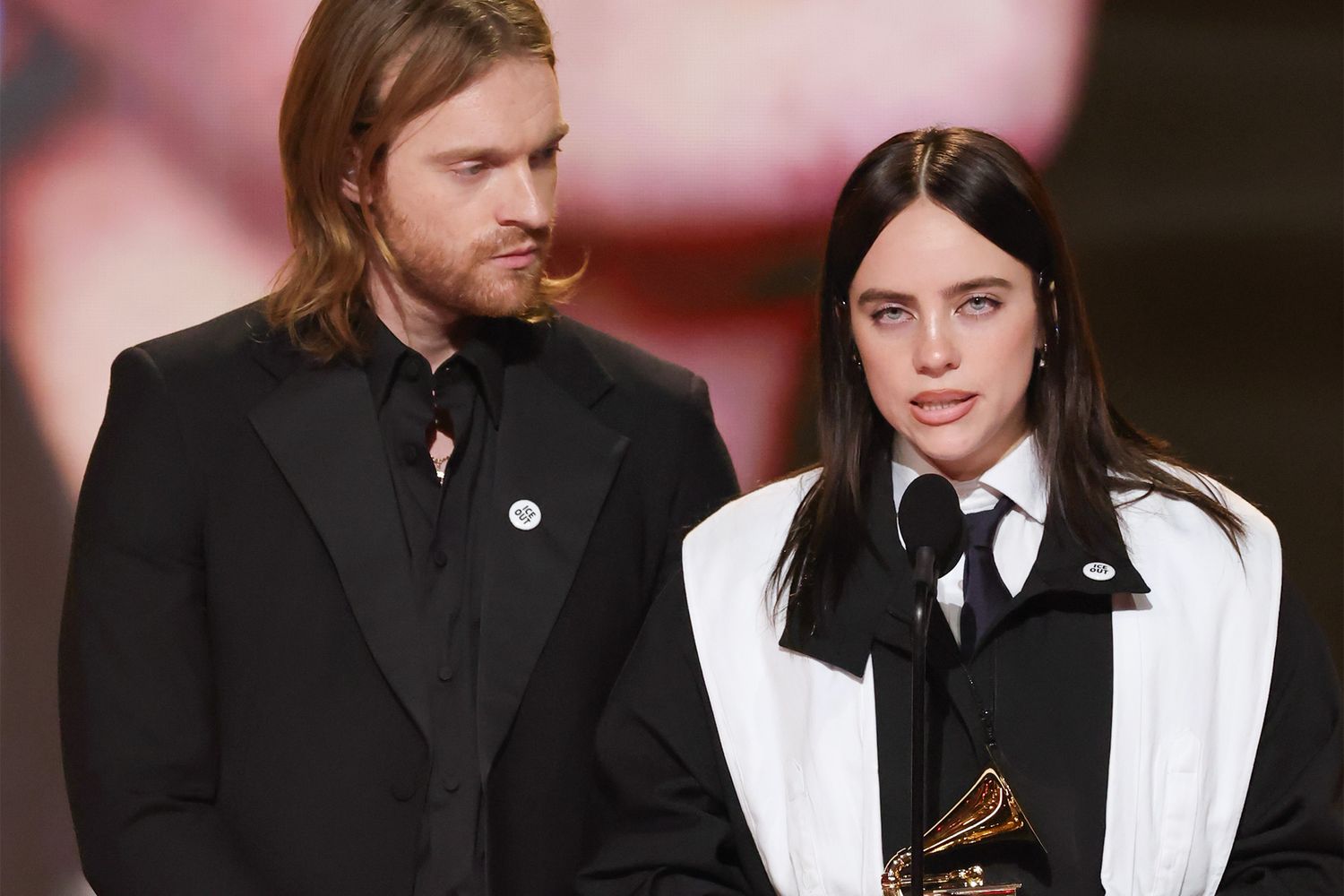
Pop star Billie Eilish is facing mounting scrutiny after her Grammy acceptance speech sparked a nationwide conversation about land, migration, and moral responsibility. During Sunday’s ceremony, Eilish declared, “No one is illegal on stolen land,” referencing the colonization of the Americas.
The moment was brief, but the consequences were immediate: social media users and commentators quickly highlighted that her Los Angeles mansion sits on land historically owned by the Tongva tribe. Calls have grown for the singer to either return the property to its original stewards or offer it to migrants, prompting questions about how public figures navigate the intersection of wealth, ethics, and visibility.
The exposure comes amid heightened tensions over immigration and property rights. Eilish, 24, won a Grammy for her song Wildflower, but it was her words that captured public attention. By framing the U.S. as “stolen land,” she implicitly linked her own wealth and lifestyle to historical injustices, placing her mansion — valued at roughly $3 million — at the center of the debate. The timing amplified scrutiny, as the country is seeing ongoing immigration raids, and her remarks intersected directly with current policy conflicts.
The power imbalance at the heart of the controversy is stark. As a celebrity with substantial resources, Eilish occupies a position where statements about justice and inequality carry outsized influence.
Yet the mansion itself embodies the historical dynamics she referenced, creating a visible tension between speech and personal circumstance. Critics argue that without concrete action, declarations risk being performative, while supporters see the comments as necessary awareness-raising. Either way, the situation exposes how wealth, celebrity, and historical context collide in the public sphere.
Risk translation is immediate. Public perception of Eilish’s sincerity, accountability, and brand may be impacted. Social media erupted with comments demanding tangible action, while pundits highlighted the ethical dilemma of advocating for justice while residing on property linked to dispossession. The controversy also puts the Recording Academy in the spotlight, given its acknowledgment of the Tongva tribe during Grammy week — raising questions about how institutions facilitate or moderate messages from high-profile performers.
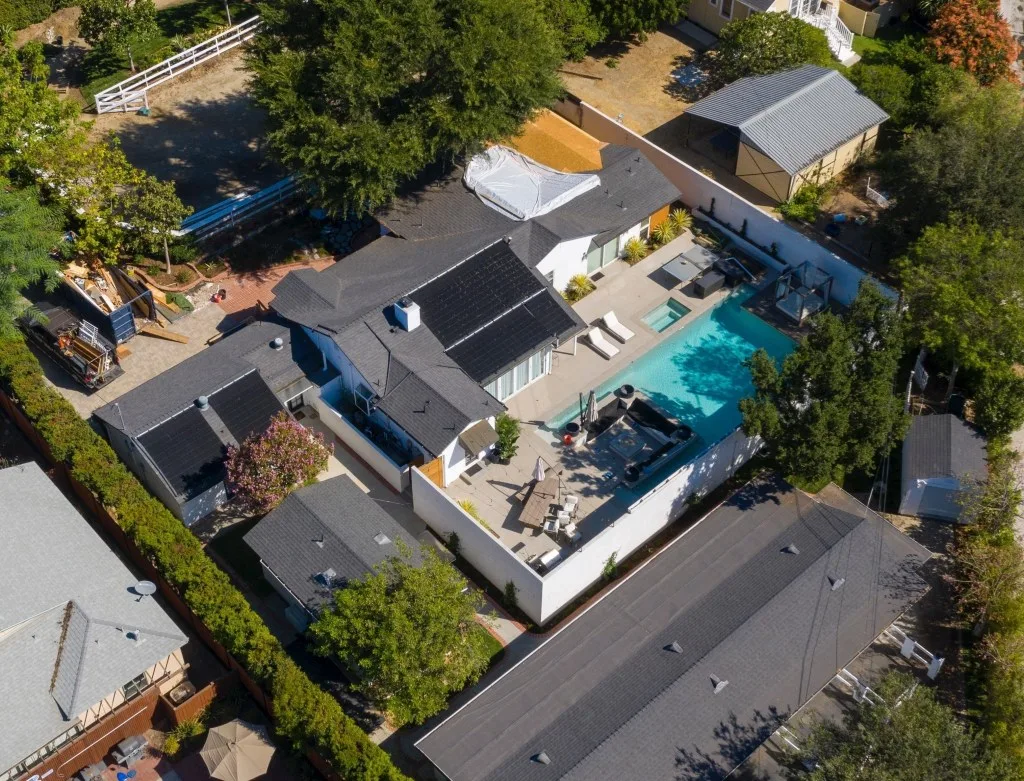
An aerial view of Billie Eilish’s Los Angeles home, now at the center of backlash after her Grammys remarks on “stolen land” sparked renewed scrutiny of celebrity wealth, land ownership, and accountability.
Accountability remains ambiguous. Eilish has not publicly contacted the Tongva tribe directly regarding her property, though the tribe has confirmed the mansion sits on their ancestral land and expressed appreciation for her comments.
The Recording Academy partnered with the tribe to issue a formal land acknowledgment during Grammy events, but no action beyond public statements has been taken. The singer’s personal responsibility, the role of her management team, and the institutional support for her platform all contribute to a fragmented accountability landscape.
The debate is intensifying. Advocates argue that wealth and influence should carry a corresponding obligation to act, whether through returning land, supporting indigenous communities, or providing sanctuary. Others stress that symbolic statements have value and that forcing action conflates moral intent with logistical capability. The tension between celebrity autonomy and public expectation underscores a broader societal question: when does speech without tangible consequence become a source of reputational risk?
Scrutiny is spreading beyond social media. News outlets, commentators, and the public are now examining similar intersections of celebrity, property, and historical inequity. While Eilish herself has yet to respond beyond her Grammy remarks, the conversation pressures both individuals and institutions to reconsider policies, acknowledgment statements, and the potential fallout of high-visibility actions.
Public trust is under pressure. For fans, community members, and observers, the case raises questions about credibility, consistency, and ethical alignment in a landscape where messaging can outpace action. Once trust in moral leadership is challenged, restoring confidence becomes difficult, especially when historical injustices are part of the equation.
Billie Eilish’s Grammy moment and the subsequent reaction underscore a wider tension: the power and influence of celebrities intersecting with historical accountability and contemporary ethical dilemmas. The questions her speech provoked — about land, migrants, and moral responsibility — are unresolved, leaving a spotlight on how wealth, visibility, and public pressure shape modern debates.