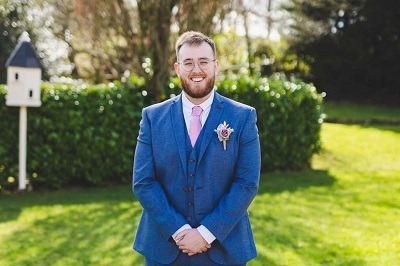
Updated May 2026
Blake Lively’s net worth is still best estimated at around $30 million in 2026, but the number now needs more explanation than a simple celebrity wealth figure. The latest attention comes from her continuing legal-fees fight with Justin Baldoni and Wayfarer Studios after the wider It Ends With Us dispute was settled. Lively is seeking attorneys’ fees and damages tied to Baldoni’s dismissed defamation lawsuit, while fresh reports say the judge has declined a request for further argument on the fee issue. That does not change her confirmed net worth today, but it puts a sharper spotlight on her acting income, brand businesses, legal exposure and future earning power.
Lively’s wealth comes from several overlapping sources: television salary, film fees, producer credits, brand endorsements, beverage ventures, haircare, property and business interests shared with or linked to Ryan Reynolds. Her personal fortune should also be separated from Reynolds’ much larger estimated wealth. Together, they are one of Hollywood’s most commercially powerful couples, but Lively’s own money trail is more specific: Gossip Girl, film work, L’Oréal-style endorsement income, Betty Buzz, Betty Booze, Blake Brown and the value of being a bankable entertainment personality.
Blake Lively Net Worth and Career Earnings
Blake Lively’s personal net worth is commonly estimated at around $30 million, although no public filing confirms her full asset position. A realistic range would be $25 million to $35 million, depending on the value assigned to her brand stakes, property interests, residual income, private investments and legal costs. Her career earnings are likely higher than her current net worth. Gross income from acting, producing, endorsements and business ventures is reduced by taxes, agents, managers, lawyers, publicists, staff, travel, production expenses and lifestyle costs. That distinction is crucial with Lively because her public image suggests far greater wealth than the hard evidence proves.
Her most visible earnings have come from entertainment, but the more interesting part of her 2026 financial profile is her move into consumer brands. Betty Buzz, Betty Booze and Blake Brown give her business upside beyond acting fees, yet they also expose her to brand damage when personal controversy becomes commercial risk.
The Latest Justin Baldoni Legal Fight and the Money at Stake
Lively and Baldoni’s legal dispute began after It Ends With Us, the 2024 film in which Lively starred and served as a producer. Reuters reported that Lively recently settled her lawsuit against Baldoni’s production company, while still seeking fees and damages from Baldoni and Wayfarer Studios over what she says was a retaliatory defamation lawsuit. Her lawyers argued that she should recover attorneys’ fees, costs, tripled compensatory damages and punitive damages under a California law aimed at protecting harassment accusers from retaliatory defamation actions.
The financial stakes are large because Baldoni’s dismissed lawsuit had sought $400 million from Lively, Ryan Reynolds and others. Reuters reported that Judge Lewis Liman dismissed Baldoni’s defamation claims after concluding that he had not shown Lively defamed him, and that statements made to a California civil rights agency were privileged. Lively’s side now argues that defeating that suit entitles her to recover legal costs and further damages. The latest court development is more limited than the headlines suggest. Reports say the judge rejected Lively’s attempt to provide additional arguments over legal fees, but that does not appear to be a final ruling on whether she can recover fees or damages at all. For net worth purposes, the safest position is that no confirmed payout has yet been added to Lively’s wealth, and no confirmed liability has been deducted.
How Much Did It Ends With Us Add to Blake Lively’s Wealth?
It Ends With Us was a major commercial success even before the legal fight swallowed the publicity around it. Box Office Mojo lists the film’s worldwide gross at $351.4 million, including $148.5 million domestically and $202.9 million internationally.
Lively’s exact salary for the film has not been publicly confirmed. Some entertainment reports have placed her fee around $3 million, but that figure should be treated as reported rather than verified. As a producer as well as the lead actress, she may also have had additional compensation or back-end participation, although the public record does not show the full contract.
A sensible working estimate would place her direct It Ends With Us income somewhere in the low single-digit millions, with possible upside if she had profit participation. The film’s success also helped keep her at the centre of studio conversations, even though the legal fallout has complicated the commercial value of that visibility.
Acting Income: From Gossip Girl to Film Roles
Lively’s first major fortune-building role was Serena van der Woodsen in Gossip Girl. She was widely reported to have earned around $60,000 per episode at the height of the show. Across a long run, that would put her gross Gossip Girl earnings in the millions before taxes and representation costs.
The long-term value of Gossip Girl was bigger than salary alone. The role made Lively a fashion figure, a red-carpet regular and a marketable face for beauty, luxury and lifestyle campaigns. That visibility later supported film work, endorsement deals and her move into consumer brands.
Her film earnings have come from titles including The Town, Green Lantern, The Age of Adaline, The Shallows, A Simple Favor and It Ends With Us. The early projects built her Hollywood profile, while later work gave her more leverage as both actress and producer. A lead role in a successful mid-budget film can bring a salary in the low millions, but the real upside comes when an actor also has producer credit, back-end participation or a stronger claim on future franchise value.
Endorsements and Fashion Income
Lively’s endorsement income has long been an important part of her wealth. She has worked with major beauty and fashion names, including L’Oréal Paris, and her red-carpet profile has made her valuable to luxury brands even when she is not appearing in a film.
Endorsement figures are rarely disclosed, but a celebrity of Lively’s status can earn six figures to low seven figures from major campaigns, depending on geography, exclusivity, usage rights, term length and whether the deal includes social media, events or advertising shoots.
For Lively, fashion and beauty have always been more than image-building. They support the commercial logic behind Blake Brown, her haircare brand, because consumers already associate her with hair, styling and luxury presentation. That makes the brand easier to market than a celebrity product launched with no natural connection to the founder.
Blake Brown: The Haircare Brand With Real Retail Scale
Blake Brown is now one of the most important parts of Lively’s business portfolio. Target described the brand as its biggest haircare launch on record, with the line inspired by Lively’s own hair routine and launched exclusively through Target. Target also said the brand had the five best-selling haircare items at Target on launch day.
The product range launched at accessible premium pricing, with PR Newswire stating that Blake Brown products were available at $18.99 to $24.99 from August 2024 through Target and Target.com.
That pricing gives the brand meaningful revenue potential. If a product line sells hundreds of thousands of units at roughly $20 to $25 each, retail sales can quickly move into eight-figure territory. Lively would not receive retail sales as personal income. Revenue has to pass through retailer margins, manufacturing costs, logistics, marketing, staff, licensing arrangements, taxes and any investor or operating-partner split.
A careful estimate would put Lively’s annual personal economic value from Blake Brown somewhere between high six figures and low seven figures in a strong year, depending on her ownership stake, licensing structure and profitability. The brand is financially important because it gives her equity-style upside rather than only a one-off endorsement fee.
Betty Buzz and Betty Booze: Beverage Brands and Trademark Records
Lively founded Betty Buzz, a non-alcoholic premium sparkling soda and mixer brand, and Betty Booze, a ready-to-drink cocktail brand. The Betty Buzz website describes the brand as founded by Blake Lively and focused on premium non-alcoholic beverages, while the Betty Booze site describes the cocktail line as founded by Lively and made with real fruit juice, brewed tea and premium spirits.
Public trademark records show Betty Buzz LLC as a Delaware limited liability company linked to Betty Buzz and Betty Booze trademark filings. USPTO.report lists Betty Buzz LLC as the owner behind multiple trademark applications, including Betty Buzz and Betty Booze marks, while Canadian trademark records show a later ownership change from Betty Buzz LLC to Betty B Holdings LLC for a Betty Buzz mark.
The drinks business has real distribution value. In the UK, Majestic announced an exclusive partnership to distribute Betty Buzz and Betty Booze across England, Scotland and Wales, with products sold through Majestic stores, online and B2B channels. Majestic also said Betty Buzz had become the world’s number one premium adult soft drink on Instagram by followers and engagement in its category, while Betty Booze had become the second most-followed RTD brand on Instagram.
The drinks brands are commercially meaningful, but their effect on Lively’s net worth is hard to calculate. Celebrity-backed drinks companies can be valuable if they scale distribution, secure retail shelf space and build margins. They can also be expensive to run because beverage brands face production, logistics, retailer fees, alcohol compliance, marketing spend and competitive pressure.
A reasonable estimate would value Lively’s annual personal economic benefit from Betty Buzz and Betty Booze in the mid-six figures to low seven figures in a strong year, assuming she has meaningful equity or founder economics. That figure could be lower if her role is structured more like licensing, endorsement or minority ownership.
Brand Damage Claims and the Court Filing Problem
The Baldoni dispute has become financially important because Lively’s side has claimed harm to her earning power and businesses. Reuters reported that she continues to seek legal fees and damages after the settlement of remaining claims, while earlier reporting on her damages claims said she alleged lost income from acting, endorsements and her personal brands.
The key point for a net worth article is that claimed damages are not the same as proven losses. Lively’s team may argue that her reputation, brand partnerships and businesses were damaged. Baldoni’s side denies the allegations and has framed the settlement very differently. Until a court awards damages or the parties disclose money changing hands, the figures should not be counted as wealth gained or wealth lost.
Brand damage is still relevant because Lively’s income increasingly depends on consumer trust. If a celebrity’s business value comes from being liked, trusted or aspirational, negative sentiment can affect sales, retailer confidence, brand partners and future campaigns. That is where the legal fight connects directly to her net worth.
Company Directorships and Business Interests
A UK Companies House-style directorship trail does not produce the same kind of clean public record for Lively because her main business interests are US-based private entities and brands. Public records do not show a UK directorship that can be treated like a British company appointment in the way they might for a UK broadcaster or politician.
The public business trail instead runs through brand ownership, trademarks and founder roles. Official brand materials identify Lively as founder of Betty Buzz, Betty Booze and Blake Brown, while trademark records connect Betty Buzz LLC and Betty B Holdings LLC to the drinks intellectual property.
The available records do not reveal Lively’s exact ownership percentage, board control, dividend rights or profit share. That means her business interests should be described as founder-led ventures with potential equity value, not as fully verified assets worth a specific amount.
Property and Shared Wealth With Ryan Reynolds
Lively’s personal net worth is often confused with her household wealth. Ryan Reynolds is much wealthier, partly because of major business wins such as Aviation Gin and Mint Mobile, alongside acting, production and marketing ventures. Lively benefits from that household position, but Reynolds’ wealth should not be added directly to her personal net worth.
The couple’s property interests also affect the wider wealth picture. Real estate can add significant net worth, but public reporting rarely shows mortgage balances, ownership split, trusts, purchase structures or tax arrangements. For Lively’s own estimate, property should be treated as part of a broader asset base rather than the main driver of the $30 million figure.
Estimated Annual Income by Source
Lively’s annual income is not publicly disclosed, but the available evidence allows a working estimate. Acting and producing could generate $2 million to $6 million in a strong film year, especially if she takes a lead role with producer credit or back-end participation. In a quieter year, that figure could fall sharply.
Endorsements and fashion campaigns could plausibly add $500,000 to $2 million depending on the number, size and geography of deals. Social media support for her own brands may add value without always appearing as direct paid sponsorship income.
Blake Brown could be worth high six figures to low seven figures annually to Lively if the brand continues to perform strongly at Target and if her founder economics are meaningful. Betty Buzz and Betty Booze could add mid-six figures to low seven figures in a strong year, although beverage margins and ownership structure are not public.
Taken together, Lively’s current annual earning power could reasonably sit somewhere around $4 million to $10 million in a strong commercial year before tax and costs. That range could rise if her brands scale significantly or if she lands another major acting and producing payday. It could fall if legal costs, reputational damage or reduced brand demand affect her commercial pipeline.
Why Blake Lively’s Net Worth May Look Too Low
A $30 million estimate may look low for someone with Lively’s fame, especially given her marriage to Ryan Reynolds and her role in a $351 million global box-office hit. The reason is that fame, household wealth and box-office gross are not the same as personal net worth.
Actors do not receive the full box office. Retail founders do not receive full retail sales. Celebrity brand owners do not always own 100% of the company. A drinks brand or haircare line can look huge in the market while the founder’s personal cash return depends on equity, dilution, debt, operating profit and partner agreements.
Lively’s net worth could rise if Blake Brown becomes a durable beauty business, if Betty Booze scales distribution, or if she secures large future acting and producing deals. It could also be pressured by legal costs, brand softness or fewer studio roles during the reputational fallout from the Baldoni dispute.
How Blake Lively Compares With Other Hollywood Brand Builders
Lively sits in a different category from actors who rely only on salary. Her path now looks closer to the celebrity-founder model, where acting creates attention and consumer brands turn that attention into a potentially scalable asset.
The comparison with Ryan Reynolds is unavoidable, but it can also distort the picture. Reynolds has built and sold or scaled major business interests, while Lively’s ventures are still earlier in their commercial journey. Blake Brown has shown real retail momentum, and Betty Buzz and Betty Booze have built visible distribution, but none of those brands has yet produced a public exit comparable with Aviation Gin or Mint Mobile.
Her strongest financial route is not one giant acting cheque. It is the combination of entertainment relevance, brand ownership, retail distribution and consumer trust. The legal fight now matters financially because it touches that exact mix.
How Old Is Blake Lively?
Blake Lively was born on August 25, 1987, making her 38 years old as of May 2026. Her age is relevant financially because she has already built a long entertainment career while still having time to grow a second phase through brands, producing and ownership-led ventures.
What Is Blake Lively’s Biggest Income Stream?
Acting and producing remain her clearest high-value income source, but consumer brands may now offer the bigger long-term upside. A film role can deliver a large fee quickly. A successful beauty or drinks brand can compound in value if it grows distribution and profit.
Blake Brown currently looks like the most promising business asset because Target publicly described it as a record haircare launch. Betty Buzz and Betty Booze also have visible brand value, especially through US and UK distribution, but the beverage sector is harder to scale profitably.
Does the Legal Fees Fight Change Blake Lively’s Net Worth?
The legal-fees fight does not yet change Blake Lively’s confirmed net worth. No court award has been made public, and the latest reports suggest the judge declined additional briefing rather than issuing a final money ruling.
The more serious financial issue is future earning power. If Lively wins fees or damages, that could offset legal costs and potentially add a meaningful sum. If the dispute continues to damage brand sentiment, the larger cost could appear in slower sales, weaker endorsements or fewer commercial opportunities.
Blake Lively Net Worth in 2026
Blake Lively’s net worth is best estimated at around $30 million in 2026, with a realistic working range of $25 million to $35 million. Her wealth comes from Gossip Girl, film salaries, producing work, endorsements, Blake Brown, Betty Buzz, Betty Booze, property and private investments.
The Baldoni legal fight has not rewritten her fortune yet, but it has changed how readers should understand the number. Lively is no longer only an actress with a famous husband and a $30 million estimate. She is a celebrity founder whose future wealth depends on whether her consumer brands, public image and producing career can keep growing after one of Hollywood’s most damaging legal disputes.
More from Finance Monthly - Justin Baldoni Alleges Blake Lively “Set Me Up for a Trap” Over Sex Scenes in It Ends With Us