For more than a decade, Tesla has embodied the electric vehicle revolution, transforming the auto industry with groundbreaking models, elevating its CEO to global fame, and establishing its brand as the benchmark for tomorrow's transportation. That long-held dominance changed dramatically in 2025, as China's BYD surpassed Tesla to become the top seller of fully electric vehicles worldwide, underscoring a profound evolution in the industry's leadership and manufacturing landscape.
BYD's Record Sales Confirm Leadership Over Tesla
BYD announced on January 1 that its battery electric vehicle sales surged nearly 28 percent in 2025, reaching 2.26 million units globally, a new annual record for any automaker in pure EV volume. Tesla followed on January 2 with its figures, reporting 1.64 million deliveries for the year, marking an 8.6 percent decline from 2024 and its second consecutive annual drop. This outcome solidifies BYD's position as the undisputed leader in battery electric vehicle sales, ending Tesla's reign that dated back over a decade.
The shift carries symbolic weight, with a company once seen primarily as an affordable alternative from China now dominating one of the most strategic sectors in modern industry.
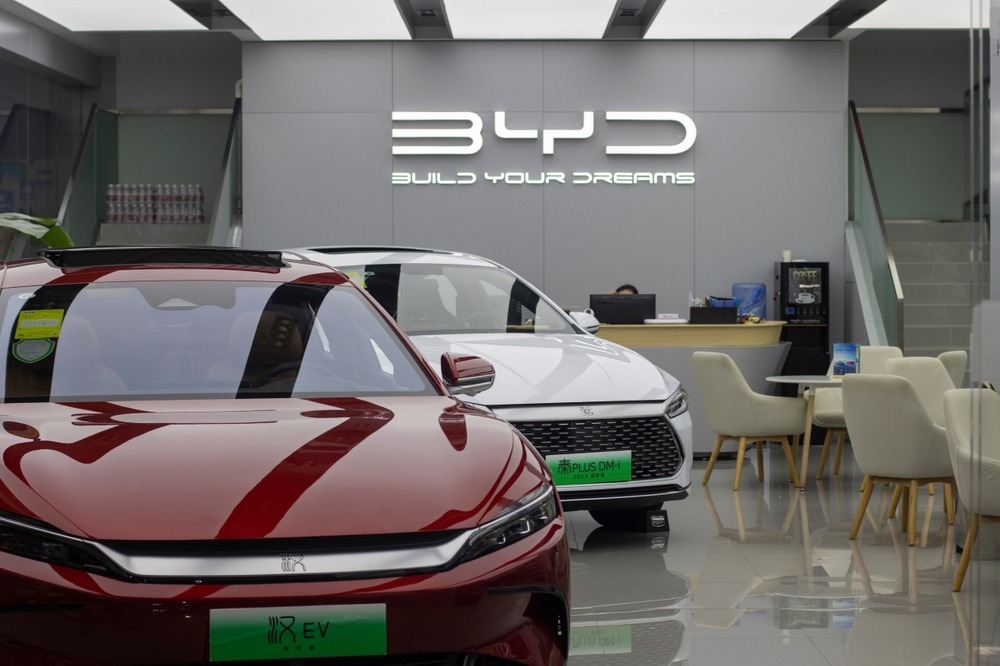
Inside a BYD showroom: China’s EV powerhouse showcases its expanding range of electric cars as it challenges Tesla worldwide.
Why BYD Succeeded While Others Faced Challenges
BYD's success stems from its highly integrated operations, controlling production from raw materials and batteries to finished vehicles, which allows it to deliver competitive pricing without sacrificing profitability, a feat many established brands struggle to match. Across regions like Europe, Latin America, Southeast Asia, and beyond, BYD's diverse lineup of compact cars, SUVs, sedans, and plug-in hybrids appeals to practical buyers seeking value and reliability rather than just cutting-edge appeal. Fellow Chinese manufacturers, including Geely and MG, employ similar approaches, intensifying global competition and pushing legacy automakers to adapt quickly.
Tesla's Challenging 2025 Amid Competition and External Factors
Tesla experienced significant hurdles throughout 2025, including softening demand in key markets, mixed reception for updated models, and heightened scrutiny over CEO Elon Musk's political engagements and divided commitments across multiple ventures. Deliveries fell sharply in the fourth quarter to 418,227 units, contributing to the overall annual decline as competition from lower-priced options grew fiercer. Investors have expressed concerns about Musk balancing Tesla with roles at SpaceX, X, The Boring Company, Neuralink, and government advisory positions.
Tesla's Push for Recovery with Affordable Options and Future Bets
Tesla responded by launching more accessible versions of its core Model 3 and Model Y in late 2025, aiming to recapture share from budget-conscious rivals. Longer-term, Musk emphasizes transformative projects like robotaxis with advanced autonomous software and Optimus humanoid robots as potential growth drivers. A controversial executive compensation plan, approved by shareholders, ties substantial rewards to ambitious valuation and production milestones in the coming years.
BYD's Aggressive Global Push Despite Obstacles
BYD accelerated its international presence in 2025, achieving record overseas sales of over 1.05 million units, a 150 percent increase from the previous year, even as tariffs in various markets aimed to limit Chinese imports. Strong performance in areas like the UK highlighted demand for models combining affordability, extended range, and contemporary features that resonate with everyday consumers.
Growth Slows but BYD Remains Dominant
BYD navigated domestic headwinds in 2025, posting its slowest overall growth in five years at 7.7 percent amid intense price competition in China. Still, its absolute scale, supply chain mastery, and strategic pricing provide a formidable advantage that continues to shape the market. Tesla once represented the aspirational future of EVs, but BYD now drives the mainstream reality.
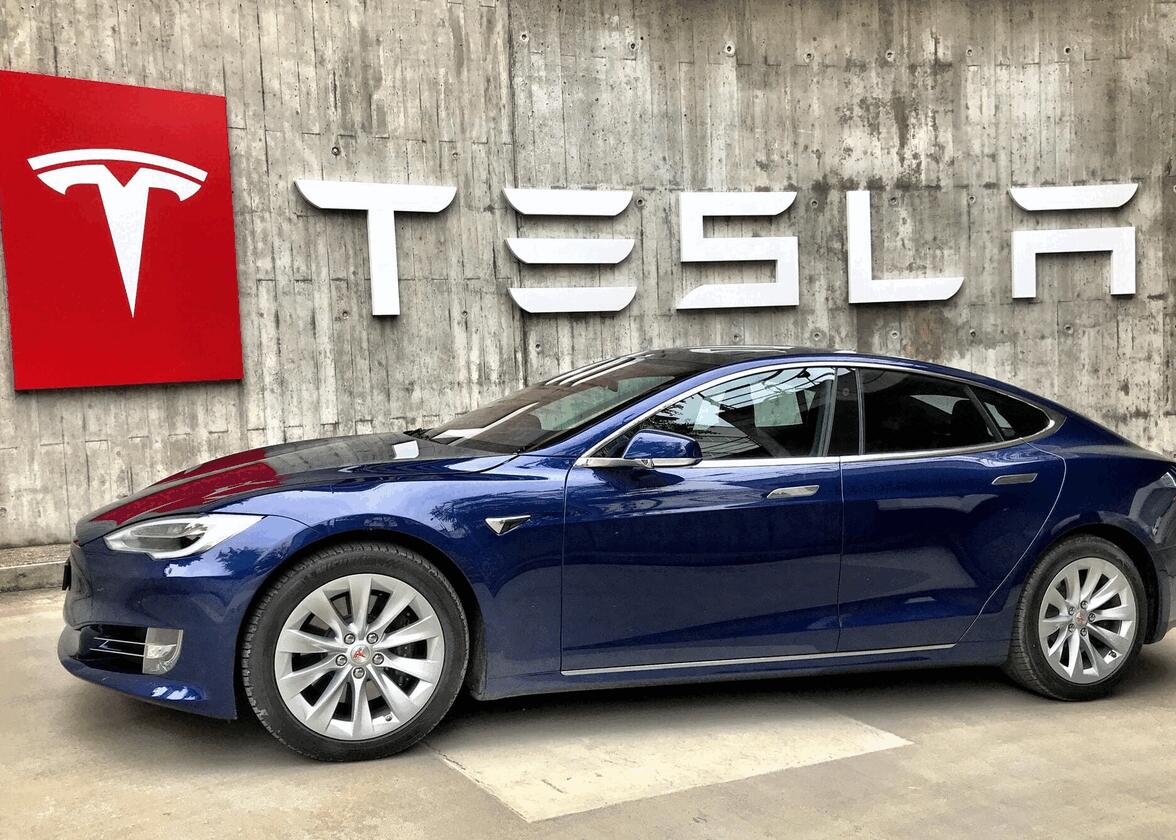
A sleek blue Tesla sits outside a Tesla dealership as the company pushes forward with cheaper models and new self-driving ambitions.
A Defining Moment for the EV Industry
BYD claiming the top spot in pure EV sales represents a landmark transition, reflecting the rise of vertically integrated industrial powerhouses over startup visionaries. Consumers stand to gain from reduced prices, expanded options, and accelerated progress, while traditional manufacturers confront the urgency of matching China's pace. For Tesla, the path forward demands renewed innovation to reclaim momentum. The electric vehicle era evolves rapidly, with its core influence now firmly rooted in the East.
Key Questions Surrounding the EV Leadership Change
What Drives BYD's Edge in EV Pricing and Production?
BYD benefits immensely from vertical integration, handling everything from battery raw materials to assembly, which reduces costs by significant margins compared to competitors dependent on external suppliers. This control, combined with optimized high-volume factories and supportive domestic policies, enables profitable sales at lower price points. Innovations like blade battery technology enhance safety and energy density, further appealing to families and fleets seeking reliable, cost-effective options across global markets.
How Did External Factors Impact Tesla's 2025 Performance?
Tesla faced a combination of market saturation, the end of key incentives like the U.S. federal tax credit, and polarized consumer reactions to Elon Musk's high-profile political roles. These elements contributed to demand softening, particularly in the latter half of the year, with no major new affordable model launches to counter aggressive pricing from Chinese entrants. Analysts note that while Tesla maintains strengths in software and brand loyalty, divided executive focus amplified challenges in a hyper-competitive environment.
What Could This Mean for Future EV Prices and Market Dynamics?
Heightened rivalry, led by BYD's scale, may push average EV prices down 15 to 20 percent in coming years, boosting adoption rates as entry-level models become more accessible worldwide. This could spur investments in charging infrastructure and battery supply chains, though it also highlights risks like regional trade tensions and reliance on specific manufacturing hubs. Ultimately, broader competition promises faster advancements and greater consumer choice, reshaping how electric mobility expands globally.