
This week thousands of Canadian auto workers are feeling intense pressure. Plants have paused production and some positions are now at risk after US tariffs on Canadian cars and parts forced automakers to scale back operations.
Workers from Toronto to Windsor confront immediate uncertainty over income and schedules. Families reconsider vacations and major purchases amid the ripple effects. The disruption hits now rather than next year. Layoffs and slowed hiring already reshape daily life in auto towns.
Government Response to the Crisis
Prime Minister Mark Carney announced a series of measures on Thursday to stabilize the industry. Carmakers can access credits to offset US tariffs. Buyers of electric vehicles will see rebates reinstated.
These moves encourage manufacturers like General Motors and Toyota to maintain production in Canada. Yet they arrive after the damage begins. Canadians react cautiously and remain unsure if the incentives will protect jobs or restore long term stability.
Carney's strategy includes financial incentives for carmakers to invest in Canada. It marks the latest effort to reduce reliance on the US amid President Donald Trump's push for more domestic car production.
Trump imposed a 25 percent tariff on Canadian cars and car parts last year. The levies shocked car production in Canada where roughly 90 percent of vehicles are exported to the US.
Many US car companies operate in Canada under terms of a longstanding free trade agreement. Supply chains remain highly integrated.
The United States Canada Mexico Agreement or USMCA faces review this year. Carney noted at a car plant in Toronto on Thursday that the agreement's original purpose of removing tariffs across North America no longer aligns with the current US administration's objectives. Their approach has changed.
We must prepare for all possibilities he added.
Thousands of Canadian auto workers have lost jobs since Trump returned to the White House. Major carmakers including General Motors and Stellantis have scaled back production in Canada.
Among Carney's initiatives is a new tariff scheme offering credits to companies like General Motors and Toyota that produce vehicles in Canada. This helps offset tariff costs.
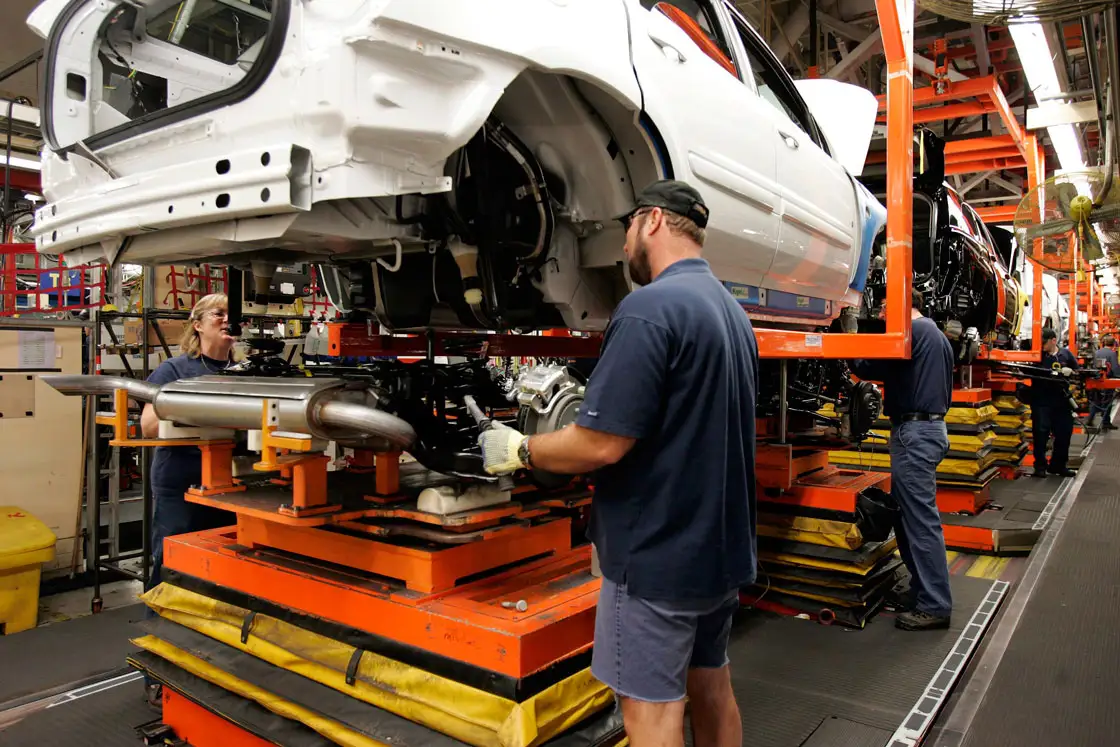
Inside a Canadian auto plant, workers continue assembling cars as tariffs and trade tensions create uncertainty for the industry.
Pivots Away from US Dependence
Canadian officials face upheaval in their trading relationship with the US. In recent weeks they have looked to other countries to boost the auto sector and reduce ties to the US.
Carney's announcement follows a deal with China last month. Canada will ease tariffs on Chinese electric vehicles that it imposed in tandem with the US in 2024.
Canada also unveiled an agreement with South Korea last month. This encourages Korean car manufacturing in the country. Both agreements could undercut US car firms.
Carney stated that Canada will reintroduce EV buyer incentives. This contrasts with the US where Trump ended a government subsidy last year that helped lower prices of certain battery electric plug in hybrid or fuel cell vehicles.
Officials will enact stronger emissions standards for new vehicles. The goal sets EVs at 90 percent of car sales by 2040.
At the same time Carney scrapped an electric vehicle sales mandate introduced by former Prime Minister Justin Trudeau in 2023. Automakers had argued the policy was too costly.
Pivoting to a tougher emissions standard for vehicles focuses on results that matter to Canadians while avoiding undue burdens on the Canadian auto industry Carney told reporters.
Some environmental groups voiced opposition to the shift away from the EV sales mandate that Trudeau had championed.
Oversight and Preparedness Issues
The situation reflects a broader lapse in preparedness. The previous administration's trade and EV policies left the industry exposed to US tariffs. Integrated supply chains created vulnerabilities that were not fully addressed.
Safeguards meant to maintain Canadian manufacturing jobs proved insufficient. Companies scramble and workers stay caught in the middle. Even long standing free trade agreements like USMCA offered little protection once Washington shifted focus toward domestic production.
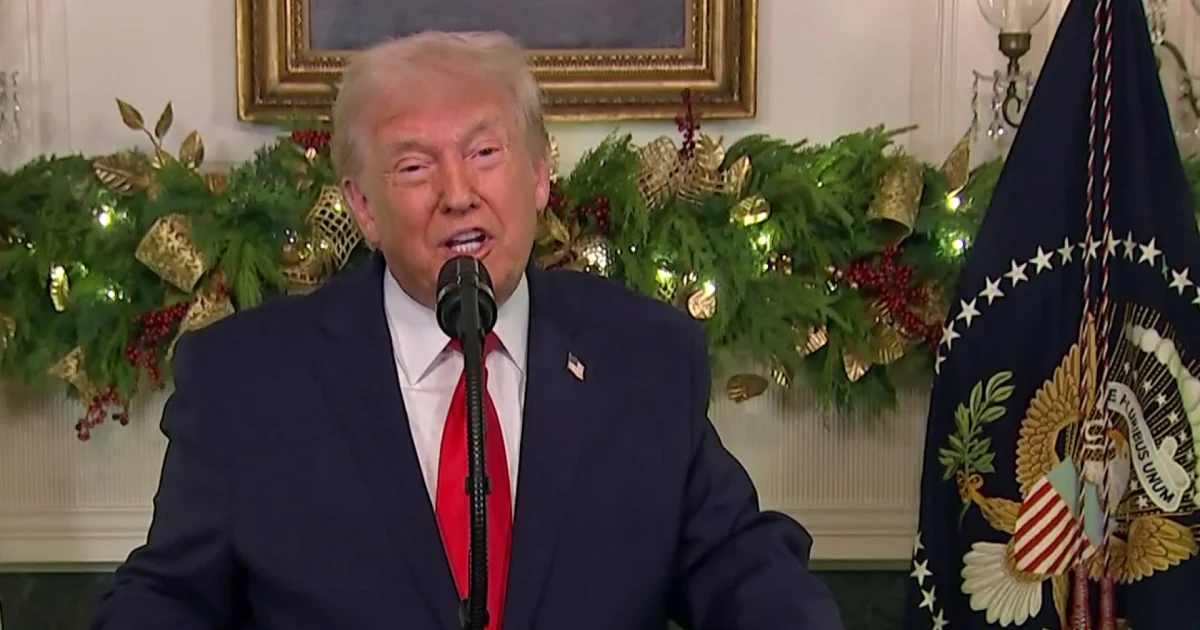
President Trump announces tariffs on Canadian vehicles, sparking uncertainty in Canada’s auto industry and reshaping cross-border trade.
Broader Impacts Beyond Factories
The exposure spreads in multiple ways. Supply chain disruptions delay vehicle deliveries. Pricing for electric cars becomes unpredictable. Consumers face higher costs or longer waits for new models.
Investors and auto buyers question whether Canada can reliably support both traditional and electric vehicle production under ongoing US pressure. The credibility of Canadian industrial planning faces scrutiny. Decisions made months or years ago collide with immediate realities of trade tensions.
Questions of Accountability
It remains unclear who should bear the brunt of accountability. The US imposed the tariffs but Canada's preparation and safeguards were inadequate.
Automakers follow corporate strategy and benefit from incentives and contracts that tie production to vulnerable trade flows. Regulatory and oversight gaps mean no single institution can claim full responsibility. Workers investors and consumers shoulder the consequences.
Debate on Policy Directions
The situation raises tension between economic sovereignty and global competition. Some argue Canada needed faster bolder interventions to protect its workforce. Others view Carney's measures as necessary flexibility that balances environmental goals and industrial priorities.
The central question lingers. Could this fallout have been prevented or were the pressures from tariffs and supply chains inevitable.
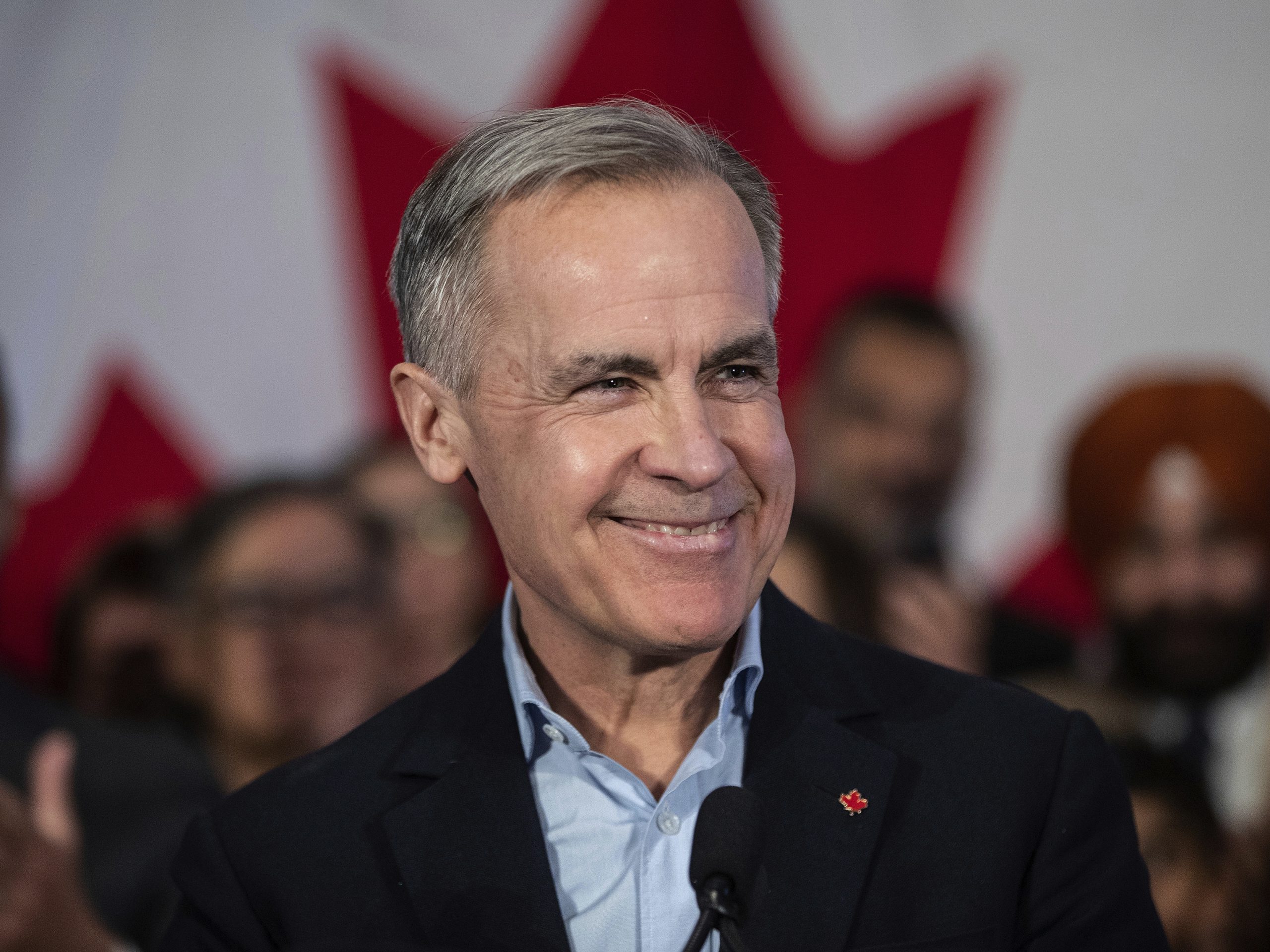
Mark Carney addresses a positive audience, highlighting government efforts to stabilize Canada’s auto sector amid trade challenges.
Increased Scrutiny and Adjustments
Following the announcements Canadian officials monitor factories and production lines to ensure incentives are used as intended. Companies review operational plans. Banks and investors adjust capital allocations to manage risk.
Similar exposures may exist in other sectors with cross border dependencies. This suggests the disruption is only the most visible example of systemic fragility in Canadian manufacturing.
Public Trust Under Pressure
Once confidence in the system erodes recovery becomes difficult. Workers and consumers watch every policy shift closely. The broader public questions whether Canada can maintain industrial stability in the face of external shocks.
For now the auto sector remains under scrutiny. The true test of these interventions will unfold in the coming months as production and employment decisions play out.