
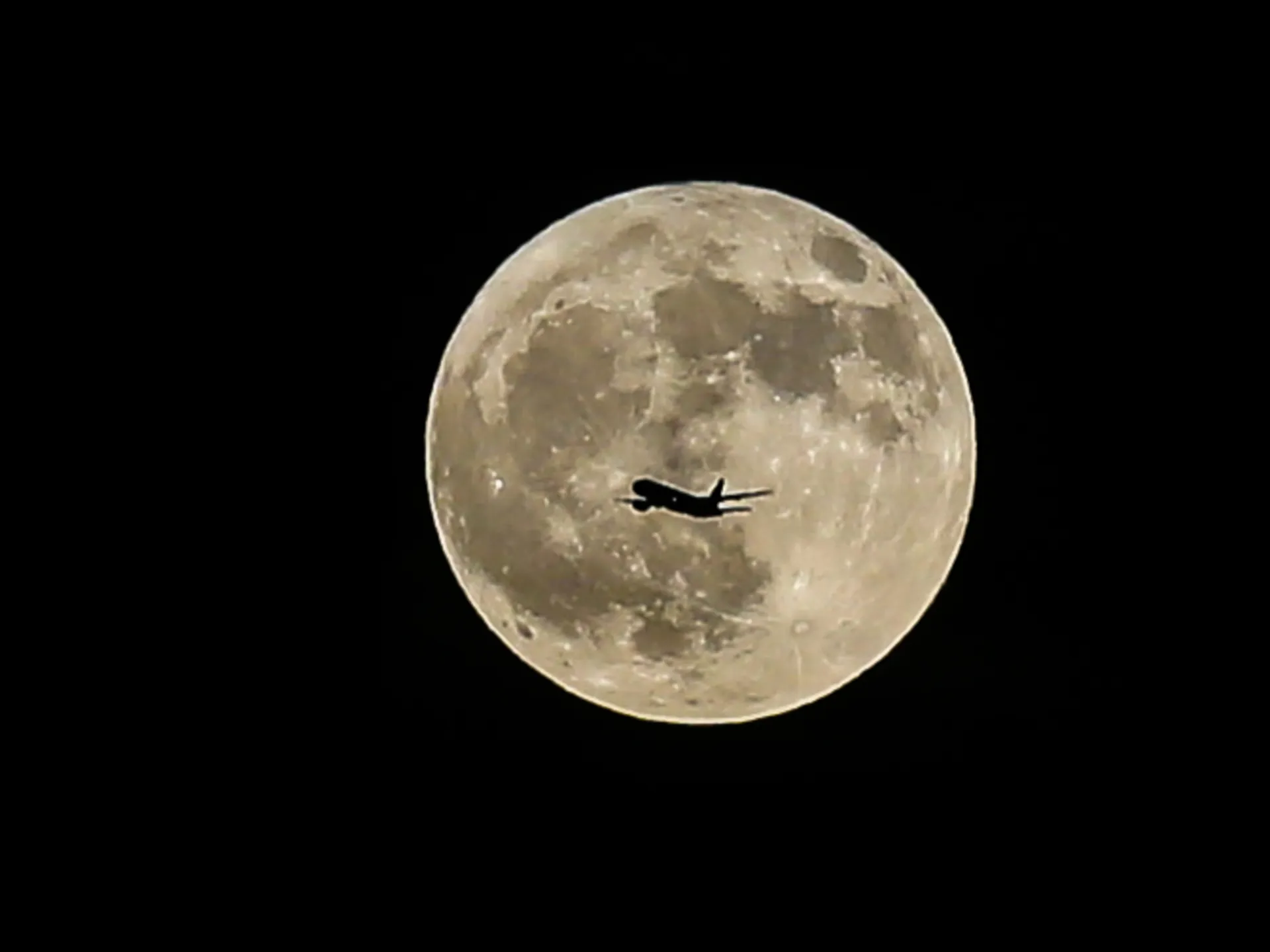
Skywatchers across the globe have one last chance this year to behold a truly remarkable celestial event, as the full Cold Moon rises tomorrow evening, Thursday, December 4, 2025, marking the final supermoon of the year. This glowing orb will appear larger and brighter than usual, casting an ethereal light over the crisp winter landscape and reminding us of the quiet wonders hidden in the night. With three supermoons already dazzling us in 2025, this one caps off an extraordinary run, and the next full moon in early 2026 will extend the streak to four—a rare alignment that astronomers say happens only occasionally in our lifetimes.
As temperatures dip and holiday lights begin to twinkle, this supermoon invites everyone to pause and connect with the cosmos in a way that feels both timeless and urgently fresh. Recent reports from leading astronomy outlets highlight how this event coincides perfectly with the season's longest nights, amplifying its impact on our evening skies. Whether you're bundling up for a backyard vigil or heading to a dark-sky spot, the Cold Moon promises a moment of pure, unfiltered awe that lingers long after the glow fades.
What Sets the 2025 Cold Moon Apart as a Supermoon
Supermoons captivate because they blend the drama of a full moon with the Moon's closest orbital pass to Earth, called perigee, which happens just hours before peak illumination on December 4. This positioning makes the Moon about 14 percent larger in diameter and up to 30 percent brighter than a typical full moon, creating a radiant beacon that dominates the horizon. The full phase itself stems from syzygy, the precise opposition of Sun and Moon across Earth, flooding the lunar surface with sunlight for that classic silver sheen.
Astronomer William Alston from the University of Hertfordshire captures the subtle magic in this setup, noting that the familiar moon illusion—where our brain tricks us into seeing it bigger near the ground—gains extra punch during perigee. "When you have a supermoon, that effect is just slightly more striking," Alston explains, evoking a sense of childlike wonder mixed with the chill of winter air that makes the sight feel profoundly personal and alive. According to analysis reviewed by Finance Monthly, such alignments not only boost public interest in stargazing but also underscore the predictable yet poetic rhythms of our solar system.
This year's Cold Moon stands out even more because it towers higher in the sky than most December full moons, thanks to Earth's tilt and the Moon's elliptical path, offering clearer views from mid-latitudes without the usual low-hanging haze.
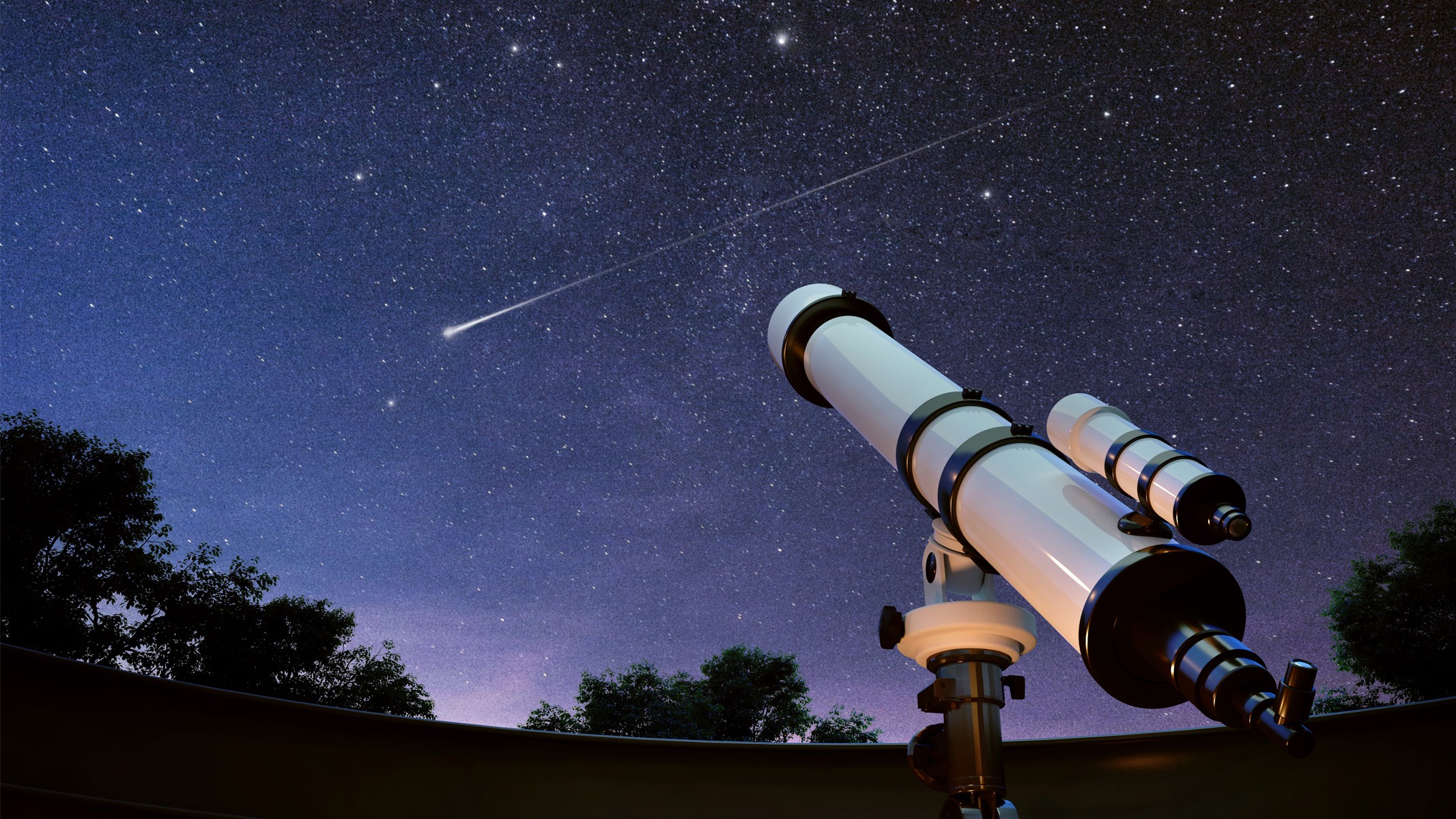
Telescopes trained on the heavens — enthusiasts prepare to witness Thursday’s Cold Moon, the final supermoon of 2025, illuminating the night with its bright, icy glow.
Prime Viewing Times and Sky Companions for Tomorrow's Show
The Cold Moon begins its ascent in the northeast shortly after sunset tomorrow, providing ample time for observers to settle in before darkness fully envelops the scene. In major UK cities, expect rises around late afternoon: London at 14:52 GMT, Edinburgh at 14:29 GMT, Belfast at 14:52 GMT, and Cardiff at 15:05 GMT, with it lingering high until setting between 08:00 and 09:00 the next morning. For those in the US, the peak hits at 7:15 p.m. EST, ideal for East Coast viewers catching the early glow against twilight.
As it climbs, the Moon will align into a stunning triangular formation with the sparkling Pleiades cluster and the fiery star Aldebaran in Taurus, painting a winter constellation portrait that's both accessible and enchanting. Jupiter's steady brilliance to the south and Orion's bold silhouette rising later will frame the display, turning a simple moonrise into a full celestial narrative that draws the eye across the vault of stars. No special gear is needed for the basics, but this setup rewards those who linger, revealing layers of detail in the frosty night.
Navigating Weather and Essentials for Your Cold Moon Adventure
Cloud cover poses the main hurdle tomorrow, with a weather front bringing rain and haze across parts of the UK, particularly lingering over northern Scotland and eastern England into the evening hours. Forecasts indicate clearing skies developing overnight in many regions, though patches of mist or fog might soften the view in low-lying areas, so patience pays off for dedicated watchers. Temperatures will hover near freezing, with frost likely in rural spots, turning the outing into a test of resolve wrapped in seasonal charm.
To make the most of it, scout a location with low light pollution well in advance, perhaps a nearby hill or park where the horizon stays unobstructed. Binoculars enhance the craters' rugged edges, while a camera with a tripod captures the golden hues as it breaches the treeline—early evening shots often yield those horizon-hugging illusions that stop scrolls on social feeds. Layer up with thermals, gloves, and a steaming mug of something warm, because the real joy comes from feeling the cold bite while the sky warms your spirit.
The Timeless Story Behind the Cold Moon's Chilling Name
Traditional full moon names trace back to indigenous and colonial calendars, serving as vital markers for planting, harvesting, and enduring the lean months when moonlight guided hunters through endless dark. December's moniker, the Cold Moon, evokes the bite of incoming winter, with alternatives like Long Night Moon or Moon Before Yule nodding to the solstice's approach and the promise of renewal amid hardship. These labels carry an emotional weight, blending survival's grit with the quiet hope that brighter days follow the freeze.
In 2025, this name resonates freshly against our modern rush, offering a grounding ritual as the year winds down and festivities ramp up. It's a nod to ancestors who read the skies like a living clock, and tomorrow night, that legacy feels immediate, urging us to step outside and reclaim a sliver of that ancient connection.
Don't let this slip by— the Cold Moon isn't just a sight, it's a fleeting gift that sharpens our appreciation for the world's understated spectacles. With the Wolf Moon waiting in January, the momentum builds, but Thursday's show closes 2025 on a high note of luminous grace.
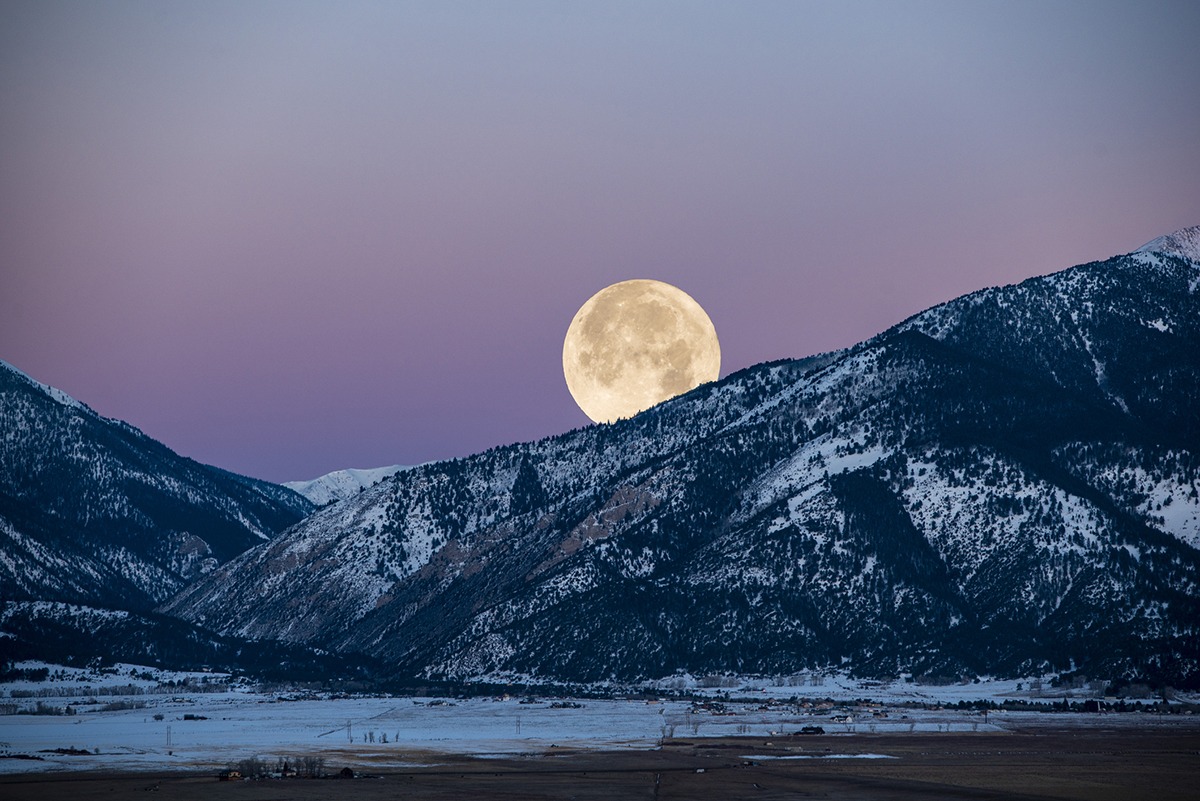
The Cold Moon peeks over a mountain ridge, offering a breathtaking view of December’s final supermoon of 2025 lighting up the winter night sky.
Celestial Curiosities: Unraveling the Cold Moon's Secrets
Is the Cold Moon really bigger than other full moons?
Yes, the 2025 Cold Moon qualifies as a supermoon because it reaches fullness mere hours after perigee, swelling its apparent size by roughly 14 percent and boosting brightness by 30 percent compared to average full moons. This isn't dramatic enough to alarm the untrained eye at first glance, but side-by-side photos or repeated viewings reveal the enhanced scale, especially when low on the horizon where atmospheric effects add a warm, oversized allure. Astronomers emphasize that while the difference measures subtly, it amplifies the emotional pull of winter nights, making stargazing feel more intimate and immersive for families or solo adventurers alike.
How does the Cold Moon affect tides and wildlife?
The supermoon's gravitational tug intensifies high and low tides by up to 20 percent over standard full moon peaks, potentially leading to higher coastal flooding risks in vulnerable areas during this alignment. Wildlife responds in fascinating ways too, with nocturnal creatures like owls and deer becoming more active under the extra light, while some plants subtly adjust growth cycles to the reflected glow. Experts note these shifts add a layer of ecological drama to the event, reminding us how lunar phases weave into Earth's daily pulse, influencing everything from beach walks to forest trails in unexpected harmony.
Can I photograph the Cold Moon effectively with a smartphone?
Absolutely, smartphones excel at Cold Moon shots if you use a few smart tweaks, like stabilizing on a ledge for the horizon rise when colors pop against the dusk sky. Apps with night mode or long exposures help capture the Moon's details without washout, and including foreground elements like silhouettes of trees or buildings creates compelling compositions that share easily online. Many enthusiasts report their best results come from patience during the first hour post-sunset, blending technical ease with the raw thrill of nailing a cosmic moment that feels personal yet universally shared.