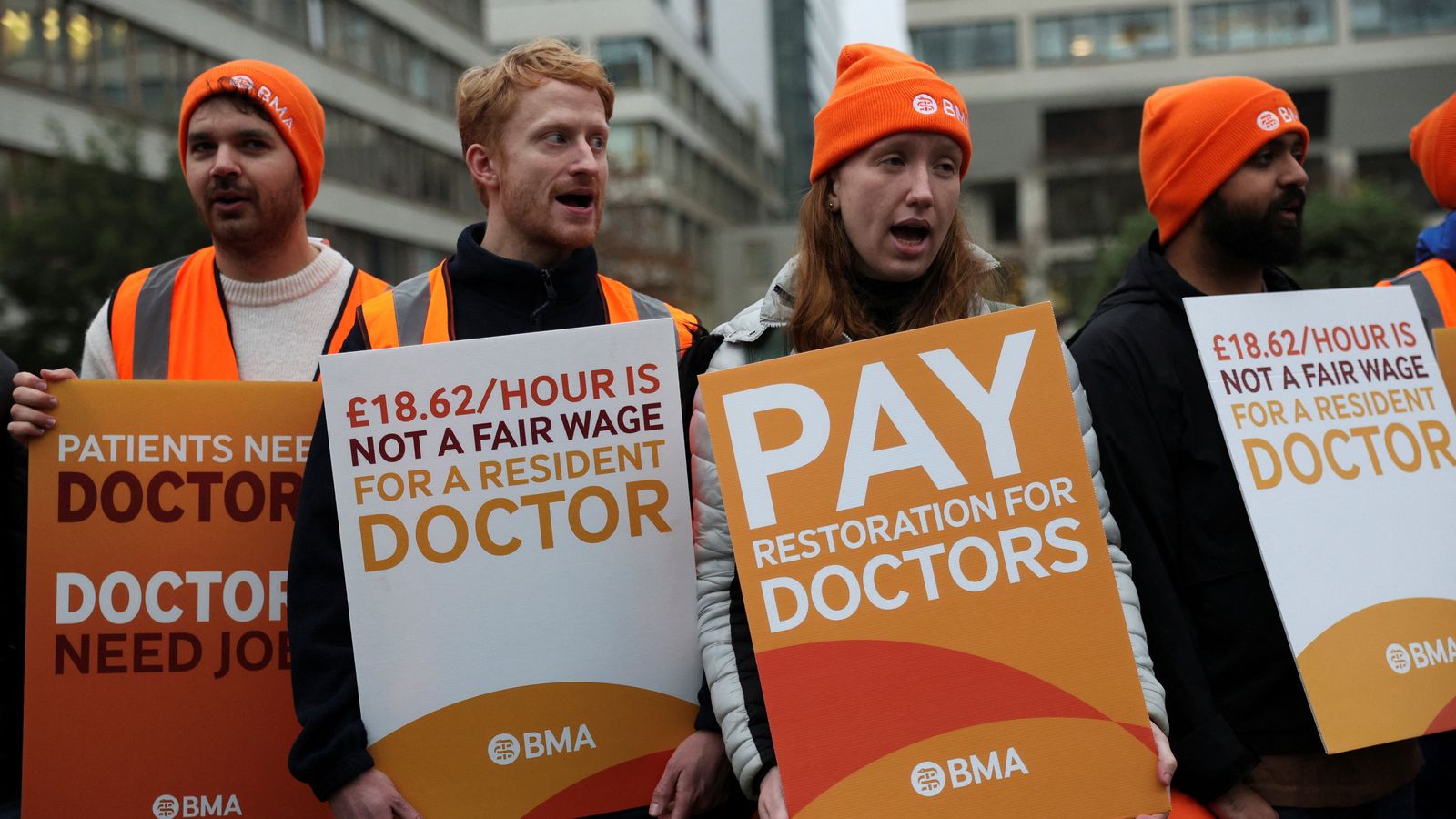
The British Medical Association has just announced another round of industrial action that hits hard, with resident doctors in England planning to walk out for five full days starting 17 December 2025. This latest move, the 14th strike since the pay dispute ignited in March 2023, lands right in the heart of the holiday rush and promises to upend hospital schedules across the country. As families brace for festive gatherings, the ripple effects could stretch from emergency rooms overflowing with flu cases to routine surgeries pushed into the new year, leaving patients in limbo and NHS leaders scrambling to hold the line.
Why Resident Doctors Are Striking Again
Resident doctors, who handle everything from overnight shifts in A&E to complex diagnostics in bustling wards, form nearly half of England's medical frontline workforce. These professionals, fresh out of training up to those with a decade under their belts, have watched their real-terms pay erode by about 20% since 2008 despite recent nominal increases totaling close to 30% over three years. The BMA points to relentless inflation and grueling hours as the breaking point, arguing that without a solid pay restoration plan, burnout and exodus from the profession will only accelerate.
Dr Jack Fletcher, chair of the BMA's resident doctors committee, captured the raw frustration in a recent statement, saying that gradual pay uplifts and basic job security tweaks remain entirely feasible for the government, yet their inaction forces this painful step. It's a sentiment echoed in hospitals nationwide, where exhausted teams already juggle staffing gaps from years of underinvestment, and this walkout feels like a desperate bid to spotlight a system teetering on exhaustion.
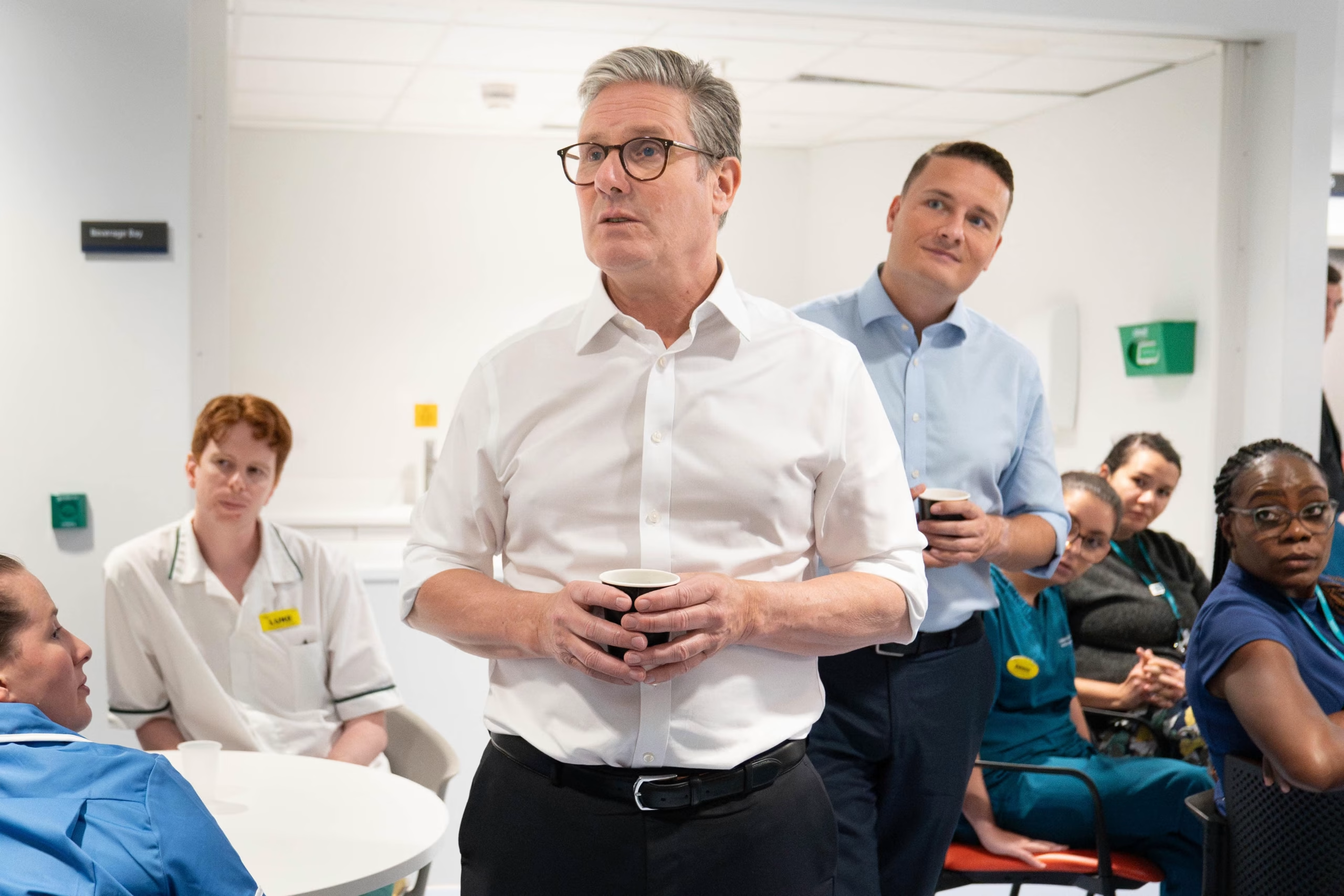
Wes Streeting and Keir Starmer discuss the NHS and the looming resident doctor strike, highlighting political stakes and the financial pressures the walkout could place on hospitals and taxpayers.
The Immediate Financial Toll on the NHS
Hospitals now face a pre-Christmas nightmare, with bosses like Daniel Elkeles, chief executive of NHS Providers, labeling the timing an inflammatory escalation that piles unbearable pressure on overworked colleagues and vulnerable patients alike. Emergency care will grind slower under the weight of seasonal bugs, while elective procedures risk mass cancellations, echoing the chaos of past actions that shelved over half a million appointments.
Financially, the blow lands swift and severe, as trusts rush to hire locum senior doctors at premium rates to plug the gaps left by striking staff. For a typical five-day disruption, agency cover alone could run to £2 million to £5 million per large hospital, scaling up nationally to an estimated £10 million to £20 million in direct outlays. According to analysis reviewed by Finance Monthly, these strikes have already drained £1.7 billion from NHS coffers since 2023 just for mitigation efforts, a figure that balloons when you factor in the lost productivity from deferred treatments and the overtime premiums for non-striking teams holding the fort.
The Broader Economic Fallout – And What It Means for You
Beyond the headlines of cancelled ops and packed waiting rooms, this strike exposes a deeper financial fault line in the NHS: the mounting opportunity costs that quietly erode the system's future and hit taxpayers square in the wallet. Opportunity cost, in simple terms, means the valuable uses of money that get sidelined when funds divert to crisis mode, like paying locums instead of buying cutting-edge scanners or hiring permanent nurses to ease chronic shortages.
Take the last major five-day walkout in November, which clocked in at around £300 million according to NHS estimates – that's roughly £60 million per day vanishing into thin air on emergency cover rather than frontline innovation. Hiba Sameen, lead economist at the Health Foundation, underscores the peril in her stark assessment, noting that unchecked strikes could rack up over £1 billion in cumulative costs by 2029 if patterns hold, with each lost day amplifying the strain on budgets already squeezed by inflation and post-pandemic recovery.
For everyday folks, this translates to real heartache and hidden bills, as delayed hip replacements keep grandparents sidelined from grandkid playtime or routine check-ups snowball into pricier interventions down the line. Anonymized cases from recent audits show patients waiting months extra for cancer screenings, leading to advanced-stage diagnoses that hike treatment expenses by up to 40% on average, per Health Foundation data. It's not just numbers on a ledger; it's the quiet dread of a loved one suffering longer, all while national productivity dips because workers miss shifts due to untreated ailments. Resolving this pay standoff isn't a luxury – it's an economic lifeline that could reclaim billions for better care and a healthier workforce overall.
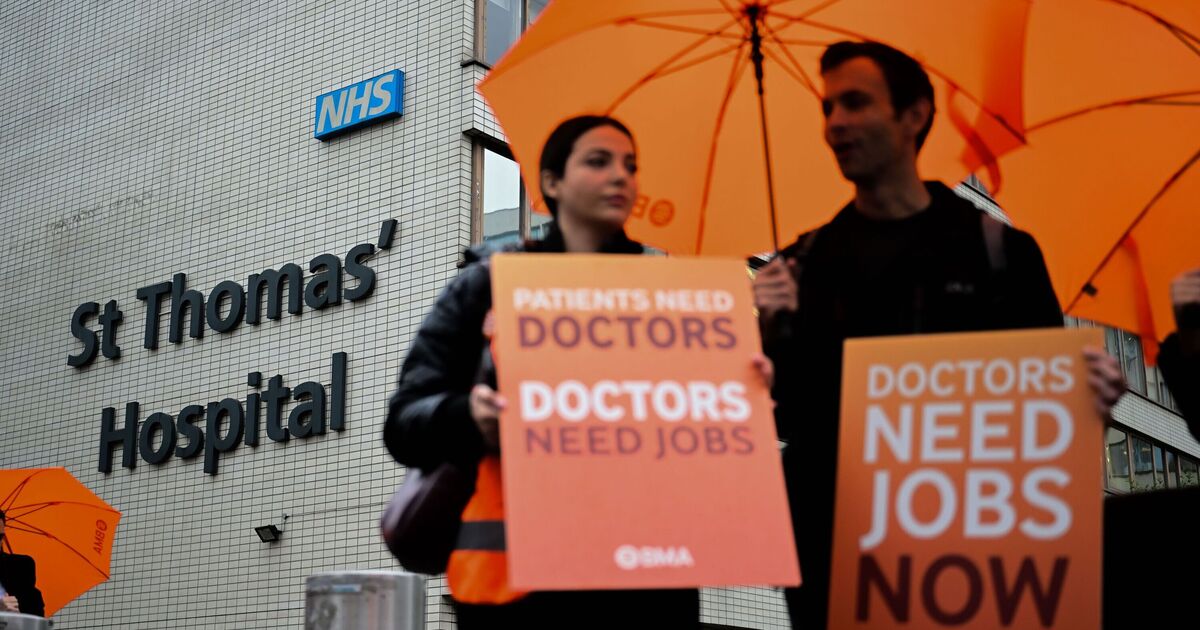
Doctors protest outside St Thomas’ Hospital over pay and working conditions, a strike expected to cost the NHS millions and disrupt patient care during the busy pre-Christmas period.
Government Pushback and the Path Forward
Health Secretary Wes Streeting fired back with sharp words, decrying the BMA's choice as a cynical ploy designed for peak disruption, one that sows needless worry among patients and heaps extra load on the dedicated souls keeping wards running. The government has dangled carrots like expanded training slots, eased working conditions, and reimbursements for out-of-pocket costs, but draws a firm line at fresh pay hikes, insisting prior deals already deliver fair progress.
Yet with NHS waiting lists still hovering near record highs and seasonal pressures looming large, analysts whisper that compromise feels inevitable, perhaps through phased restorations tied to productivity gains. The human toll weighs heavy here, as one veteran consultant shared in a quiet aside during last month's action, the sight of empty corridors before dawn stirs a profound sadness for the care we all deserve, underscoring why this fight tugs at the nation's core.
What Readers Are Wondering About This Crisis
How Much Will This Strike Actually Cost the NHS in Total?
The direct hit from this five-day action could top £20 million in cover and lost slots, but the full tab swells past £300 million when you tally rescheduled care and overtime, mirroring November's tally. Over the dispute's lifespan since 2023, strikes have siphoned nearly £2 billion, funds that could have slashed waiting times or bolstered mental health services instead. For taxpayers, that's a sobering reminder of how unresolved labor tensions bleed resources from essential upgrades, potentially delaying your own appointment by weeks or months in the queue.
What Pay Are Resident Doctors Really Earning Today?
Starting salaries hover around £32,000 to £34,000 annually for new entrants, climbing to £50,000 through £60,000 for mid-career pros, plus premiums for nights and weekends that can add 20% or more. Even with recent uplifts, inflation has clawed back much of that ground, leaving many feeling undervalued amid soaring living costs and 60-hour weeks. It's a tough pill, as these earnings barely outpace average graduates yet demand far higher stakes, fueling the push for a 26% restoration to match 2008 levels adjusted for reality.
Could This Strike Lead to Permanent Changes in NHS Funding?
Absolutely, as escalating costs force a reckoning, with experts forecasting £1 billion plus in strike-related drains by decade's end if talks stall, prompting calls for ring-fenced pay pots or arbitration panels. Past disputes birthed the 22% multi-year deal in 2024, hinting at phased solutions ahead, but only if both sides bend. For the public, it spells hope for stabilized services, though short-term pain might mean tighter belts on non-urgent care until a deal lands, safeguarding the NHS we all rely on through thick and thin.
My Take: Caught in the Crossfire of Care and Cash
Striking that delicate balance between rewarding our doctors fairly and keeping the NHS's finances from spiraling feels like walking a tightrope over a chasm these days. On one hand, these resident doctors pour their hearts into grueling shifts that save lives every single day, and they absolutely deserve compensation that matches the weight of those responsibilities, especially when real-terms pay has lagged so far behind for over a decade.
We've seen the heartbreaking exodus too, with talented medics heading to Australia or Canada for better deals, and now with immigration policies tightening up amid public debates, plugging those gaps at home grows even tougher, leaving us staring down a deepening shortage that no quick fix can mend.
Yet on the flip side, the endless cycle of strikes and escalating costs hits like a gut punch to an already stretched budget, where every million diverted to locums means less for new equipment or community clinics that could prevent crises before they erupt. It's impossible not to sympathize with Health Secretary Wes Streeting in this bind, trapped in what looks like a no-win scenario where concessions risk inflating bills for taxpayers, but stonewalling only fuels more walkouts and erodes trust in the system we all lean on.
Deep down, I keep circling back to the human core of it, wondering if creative incentives like loan forgiveness or flexible career paths could bridge the divide without breaking the bank, because losing more doctors to despair or distant shores would sting far worse than any holiday-season headline.