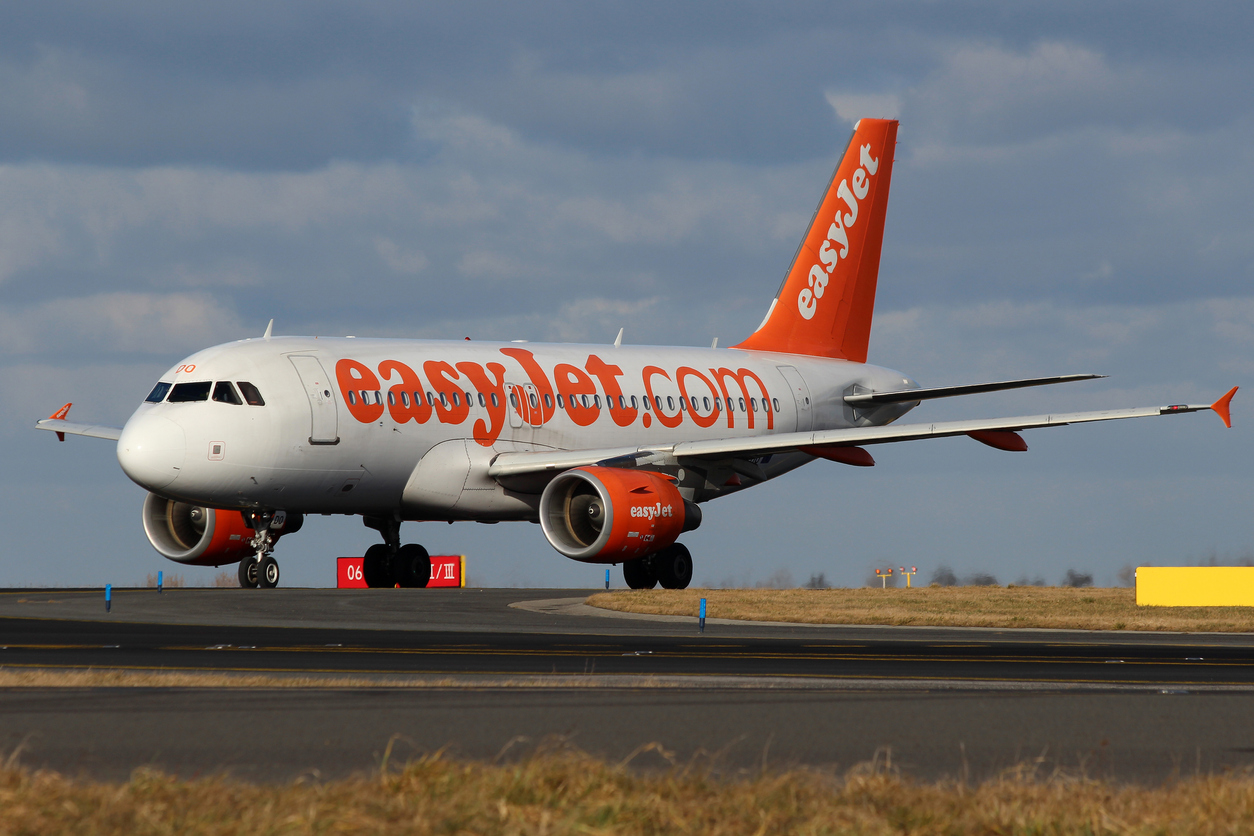
easyJet has rejected a £4.74 billion ($6.26 billion) takeover proposal from US investment firm Castlelake, dismissing the approach as an opportunistic attempt to buy the budget airline "on the cheap," after the bidder took its offer public to pressure the board ahead of a regulatory deadline. Announced on 22 June 2026, the rejection came after easyJet's board turned down three separate proposals, prompting Minneapolis-based Castlelake to disclose its terms directly to shareholders.
The proposal on the table values easyJet at 625 pence per share in cash, a roughly 24% premium to the airline's closing price the previous Friday and about 57% above its level on 29 May, before Castlelake's interest emerged. It is the third and highest of a rising sequence: Castlelake bid 560 pence on 12 June, raised that to 600 pence on 17 June, and lodged the 625 pence proposal on 20 June, which the board rejected the following day. Castlelake, which manages around $38 billion in assets and already holds a 2.14% stake in easyJet, said it went public because the board had shown an unwillingness to engage meaningfully, and that it wanted shareholders to weigh the offer's merits before the deadline.
The timing is dictated by UK takeover rules. Under the City Code, Castlelake faces a "put up or shut up" deadline of Friday 26 June, by which it must either announce a firm intention to make an offer or walk away. The bid includes a partial equity alternative, allowing easyJet shareholders to retain an interest in the airline as a privately held business in partnership with Castlelake, and the firm said the transaction would be fully funded through committed equity and debt, with Goldman Sachs indicating confidence in arranging the required financing. To satisfy European airline ownership rules, which require EU carriers to be majority-owned and controlled by EU nationals, Castlelake has partnered with two industry figures as EU-national investors — Peter Bellew, a former chief operating officer of easyJet, and Mark Breen, chief executive of consultancy Oneiros Aerospace and previously head of Saudi budget carrier flyadeal.
easyJet's board pushed back on both the price and the structure. It argued the proposal significantly undervalues the airline and described the proposed ownership arrangement — under which the bidding vehicle would be 49% owned by Castlelake and 51% by EU nationals and other undisclosed investors — as "opaque" and an inadequate basis for assessing the bid. The board said it remained confident in easyJet's strategy, pointing to an investment-grade balance sheet with a net cash position, strong customer satisfaction, and a fast-growing holidays business that has contributed a rising share of profit.
The episode illustrates how private capital is increasingly willing to pursue large, publicly listed targets when share prices lag perceived intrinsic value. easyJet shares had fallen around 20% since the start of the year before takeover speculation lifted them more than a third over the following month, the kind of valuation gap that draws asset managers with aviation expertise and patient capital. The use of a partial equity alternative and a carefully constructed EU-compliant ownership vehicle shows the lengths bidders will go to in order to clear the regulatory and structural hurdles that have historically made European airlines difficult to acquire.
How easyJet's shareholders respond before Friday's deadline will determine whether Castlelake walks away, returns with an improved offer, or holds firm and forces the board to defend its valuation more publicly. The board's confidence rests on its medium-term targets and the growth of its holidays arm, but a 57% premium to the pre-bid price is a number shareholders will scrutinise against management's standalone plan. Whether a defence built on balance-sheet strength and strategic optimism can outweigh a substantial cash premium is the question now in shareholders' hands, and the answer will test how much value the market believes easyJet can deliver alone.