
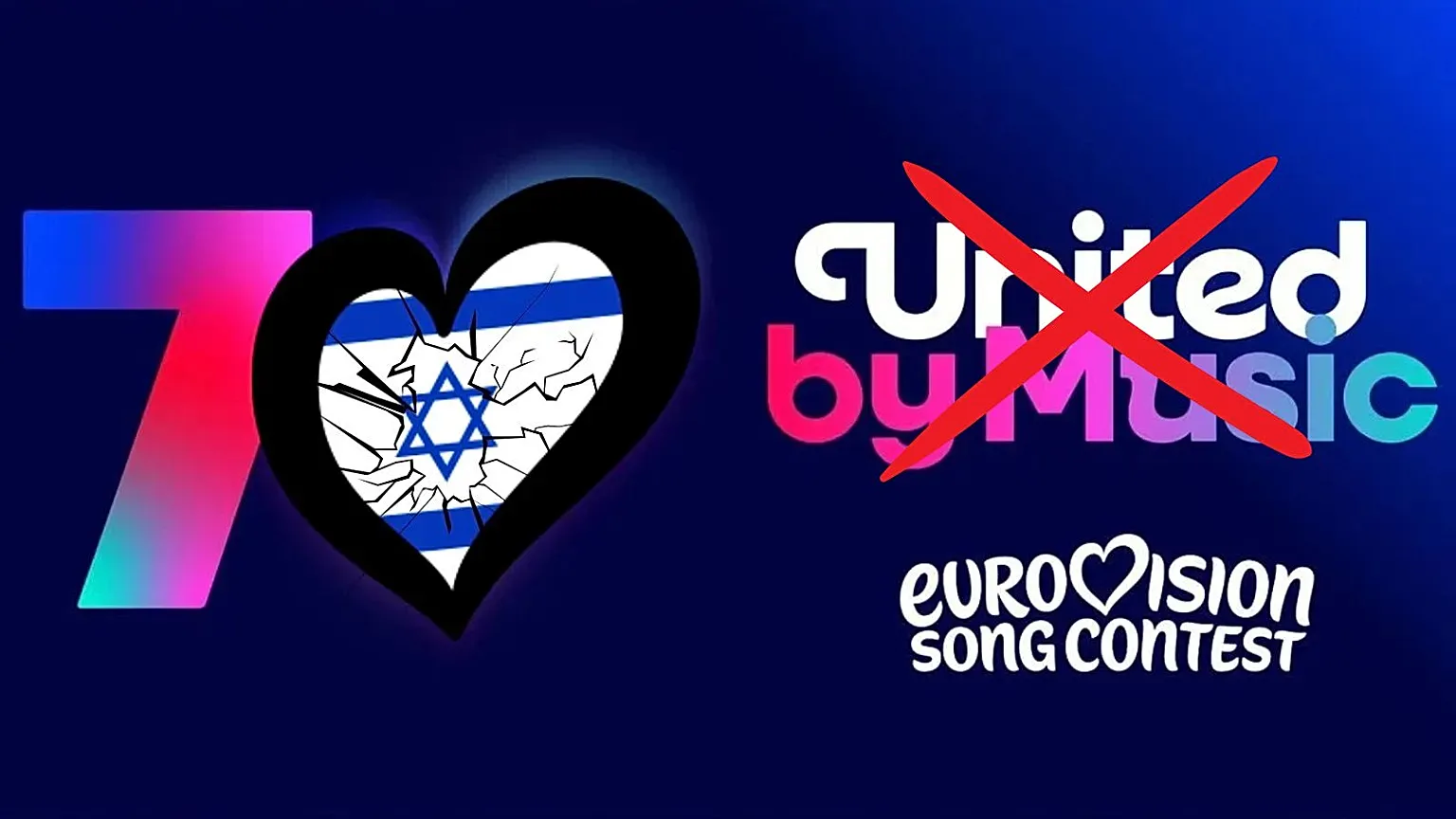
The Eurovision Song Contest has always sparkled with sequins, soaring vocals, and a sense of shared joy across Europe, yet today it grapples with its deepest divide in decades. Just hours ago, broadcasters from Ireland, Spain, the Netherlands, and Slovenia confirmed they will skip the 2026 event in Austria, following the European Broadcasting Union's decision to let Israel compete amid the Gaza conflict's shadow. This boycott over Israel's Eurovision participation marks a turning point, pulling the curtain back on how global tensions infiltrate even the most festive stages.
The EBU's Geneva meeting drew nearly 50 broadcasters into heated discussions, where calls for Israel's suspension clashed with pleas to preserve the contest's neutral spirit. Rather than vote directly on exclusion, members approved stricter voting rules to curb manipulation, a step many view as a shield for Israel's spot. As news of the Eurovision 2026 boycott spreads, social media erupts with support for the withdrawing nations, echoing the raw emotions from last year's protests and amplifying demands for ethical clarity in cultural showcases.
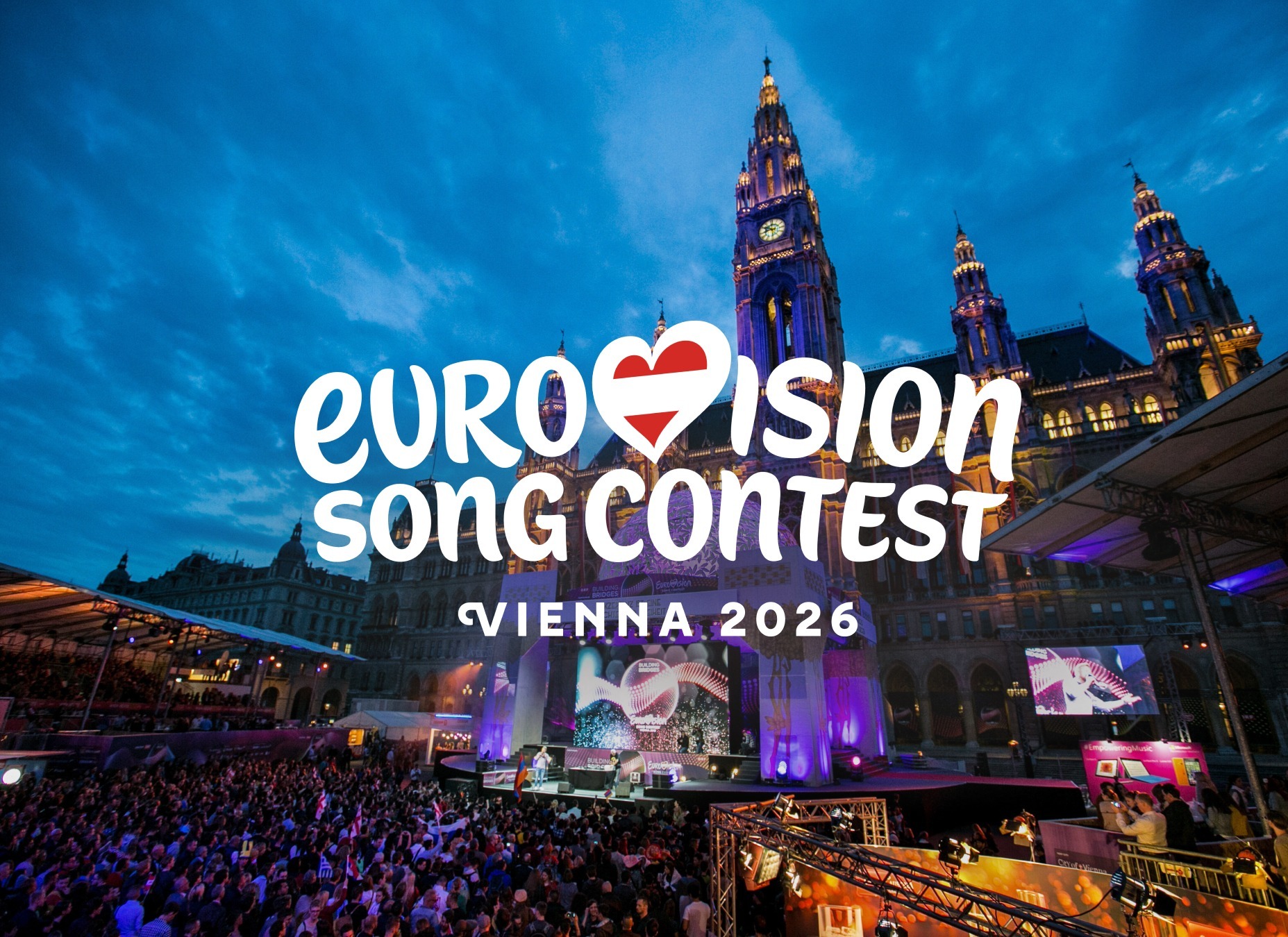
The Eurovision 2026 logo set against Vienna’s iconic backdrop — the city now preparing to host a contest overshadowed by withdrawals, political tension and one of the biggest participation rifts in decades.
The Heartbreaking Reasons Behind the Walkouts
Ireland's RTÉ captured the anguish first, declaring participation unconscionable amid Gaza's devastating civilian toll and unrelenting humanitarian crisis. Their words struck a chord, fueling online conversations about Eurovision's role in a fractured world, where songs meant to unite now underscore painful divides. Broadcasters emphasized that ignoring these realities erodes the trust fans place in the event's inclusive ethos.
Spain, a powerhouse in the Big Five, went further by slamming the EBU's opacity and vowing no broadcasts of the semis or final, a bold stance from a key player whose absence stings deeply. The Netherlands framed it as a clash with core public values, while Slovenia insisted the new guidelines fail to address deeper fairness issues. These decisions build on months of simmering frustration, including unproven claims of Israel's digital vote-boosting in 2025, which the EBU labeled a flaw demanding fixes. It's a moment that feels personal, as if the music itself carries the weight of unspoken grief.
EBU Stands Firm: Culture Over Conflict
The EBU pushed back firmly, framing the outcome as a commitment to Eurovision as a beacon of art, free from political storms. Contest Director Martin Green called the talks full, frank, and honest, underscoring that the platform thrives when it elevates voices beyond borders. Broadcasters opting in must now embrace the revamped rules, signaling a path forward even as absences loom large.
Israel's leaders hailed it as a win for cultural bridges, with President Isaac Herzog praising the solidarity it represents. KAN, Israel's broadcaster, decried exclusion bids as risky cultural isolation that could broaden into wider rifts. Yet beneath the defenses, there's a quiet resolve from organizers to adapt, drawing on the contest's resilient history through wars and upheavals. This stance, while principled, leaves many wondering if neutrality can hold when ethics pull so sharply in opposite directions.
A Split Stage: Supporters Rally While Shadows Linger
Not everyone sees eye to eye, as northern stalwarts like Sweden, Norway, Denmark, Finland, and Iceland backed the vote, applauding safeguards against rigged tallies. Germany, which had warned of its own exit if Israel faced ousting, now pledges full involvement, bolstering the pro-continuity camp. These allies view the reforms as a pragmatic evolution, keeping the focus on melodies over mandates.
Even so, cracks show within the fold, with Iceland pausing its commitment amid internal soul-searching set to wrap next week. The mix of applause and hesitation paints a contest teetering, where enthusiasm for the music battles unease over its messengers. Fans, long the heartbeat of Eurovision, now navigate their own divides, some streaming boycott anthems while others cling to the hope of harmony restored.
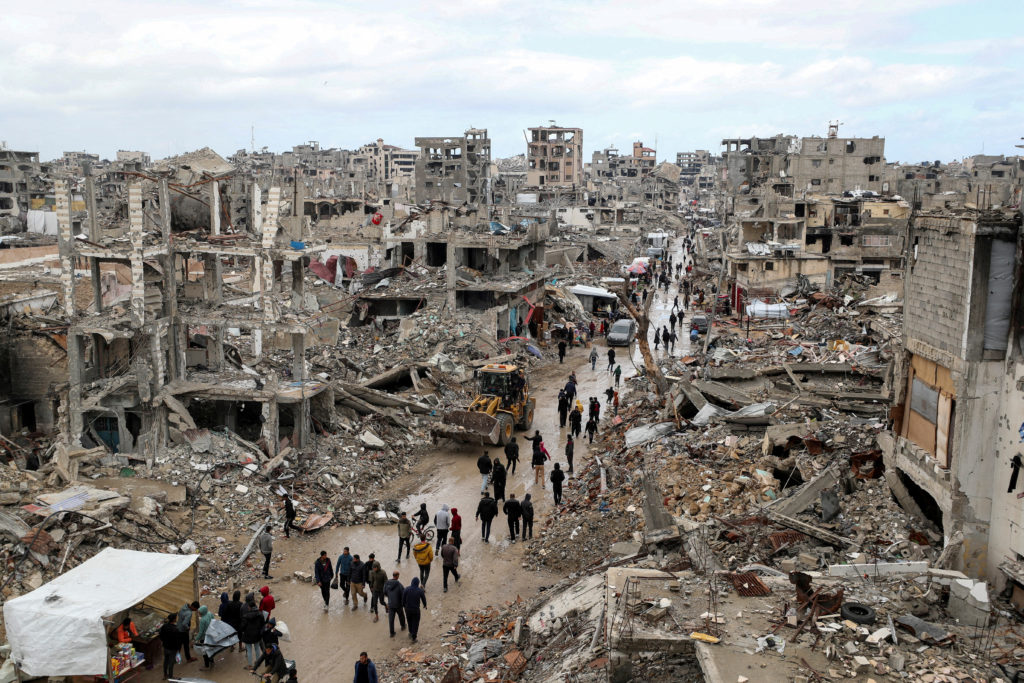
Amid the devastation, Palestinians return to their homes in Gaza, confronting the harsh reality of a city in ruins.
The Hidden Costs: When Boycotts Hit the Bottom Line
Beyond the emotional churn, this Eurovision 2026 boycott carries tangible blows to the event's backbone, from sponsorship deals to broadcast revenues that fund the extravaganza. Major pullouts like Spain's, which typically contribute around €340,000, threaten to shrink budgets at a time when public funders across Europe tighten belts amid economic pressures. It's not just numbers, though, the ripple hits artists, crews, and host cities counting on the influx of global eyes and euros.
Jess Carniel, a Eurovision expert at the University of Southern Queensland, captures the sting with raw insight, saying, "To lose some of your biggest financial contributors does have a huge impact, and it also has a ripple-down effect for some of the smaller countries. So it does probably mean that we might have a smaller show in 2026, unless the Austrian broadcaster can get together a bit more cash to make sure that it's still a spectacle." Her words carry an undercurrent of worry, a reminder that behind the glamour lies a fragile ecosystem where one fracture can dim the lights for all. Organizers insist core funding holds steady, but whispers of scaled-back productions and jittery sponsors suggest otherwise, turning what should be pure celebration into a cautionary tale of values versus viability.
As Vienna prepares to host, the question lingers whether this schism heals or hardens, reshaping Eurovision into something leaner, perhaps wiser, but undeniably changed. The 70th edition arrives not with unbridled fanfare, but with a chorus of voices demanding it confront the world's discord head-on.
Voices from the Crowd: What Fans Want to Know Next
Why Are These Specific Countries Leading the Eurovision 2026 Boycott Charge?
The choices of Ireland, Spain, the Netherlands, and Slovenia stem from a potent blend of public pressure, historical stances on human rights, and direct ties to the Gaza crisis through diaspora communities and activist networks. Ireland's RTÉ, for instance, faced petitions with over 50,000 signatures urging withdrawal, reflecting deep solidarity with Palestinian causes rooted in its own past struggles.
Spain's progressive media landscape amplified calls for accountability, while the Netherlands and Slovenia prioritized ethical broadcasting standards that clashed with perceived EBU leniency. This isn't impulsive, it's a culmination of fan-led campaigns and internal board debates that gained steam post-2025, making these nations the vanguard in a broader push for a contest that aligns with global justice movements. Their moves inspire others, potentially swelling the boycott tally and forcing a reckoning on inclusivity.
How Might the Eurovision 2026 Boycott Affect Ticket Sales and Tourism in Austria?
With four heavyweights out, ticket demand could wobble as divided fanbases weigh boycotts against their love for the spectacle, though die-hards often snap up seats regardless. Austria's ORF, the host broadcaster, eyes a dip in international buzz that typically pumps millions into Vienna's hotels, restaurants, and shops, where past events generated over €30 million in local spending.
Yet, the drama might paradoxically spike interest, drawing controversy seekers and turning the city into a protest-art fusion hub. Organizers plan hybrid viewing parties to offset gaps, but if more nations join, expect scaled promotions and pleas to loyalists, balancing economic hits with a chance to spotlight Austria's vibrant scene anew. It's a gamble, where the music's pull might just outshine the politics.
Could This Eurovision Crisis Lead to Lasting Changes in How the EBU Handles Geopolitical Issues?
Absolutely, this boycott over Israel's participation could catalyze reforms, from mandatory ethics audits to weighted voting that favors independent fan input over national blocs. The EBU's fresh safeguards hint at evolution, but sustained pressure might birth a charter demanding conflict-neutral entries, echoing past tweaks after Soviet-era controversies.
Experts like Carniel foresee a more modest format if funding falters, prompting diversification into digital streams or regional spin-offs to retain global reach. For broadcasters, it underscores the peril of ignoring youth-driven activism, potentially ushering an era where Eurovision actively promotes peace initiatives. While painful, this fracture might forge a stronger, more reflective contest, one that honors its unifying promise without shying from hard truths.
My Take: Time to Draw a Line in the Sand
In the end, this Eurovision 2026 boycott feels like a long-overdue thunderclap, one that finally pierces the polite facade of a contest built on borrowed unity. Israel should face a full ban, plain and simple, because the relentless genocide and atrocities unfolding in Gaza demand more than hushed debates or half-measures from the EBU. Thousands of lives shattered, homes reduced to rubble, and a humanitarian catastrophe that the world watches with weary eyes, yet no real accountability follows, just endless cycles of deflection and delay. It's heartbreaking, infuriating even, to see a platform meant for pure expression tainted by such unchecked violence, where the blood on the stage metaphorically stains every glittering performance.
Kudos to Ireland, Spain, the Netherlands, and Slovenia for summoning the courage to walk away, their voices cutting through the noise like a defiant chorus in a silenced hall. These broadcasters aren't just pulling plugs, they're planting flags for a moral compass that Eurovision desperately needs, reminding us that art without ethics is just empty sparkle. In a year when Gaza's scars deepen daily, their stand isn't rebellion, it's responsibility, a beacon for other nations teetering on the edge of complicity. If the EBU clings to this fractured path, the real loss won't be a few entries, it'll be the soul of the song contest itself, hollowed out by the very divisions it once promised to heal. Let's hope this sparks the reckoning, turning boycott into blueprint for a truly inclusive future.