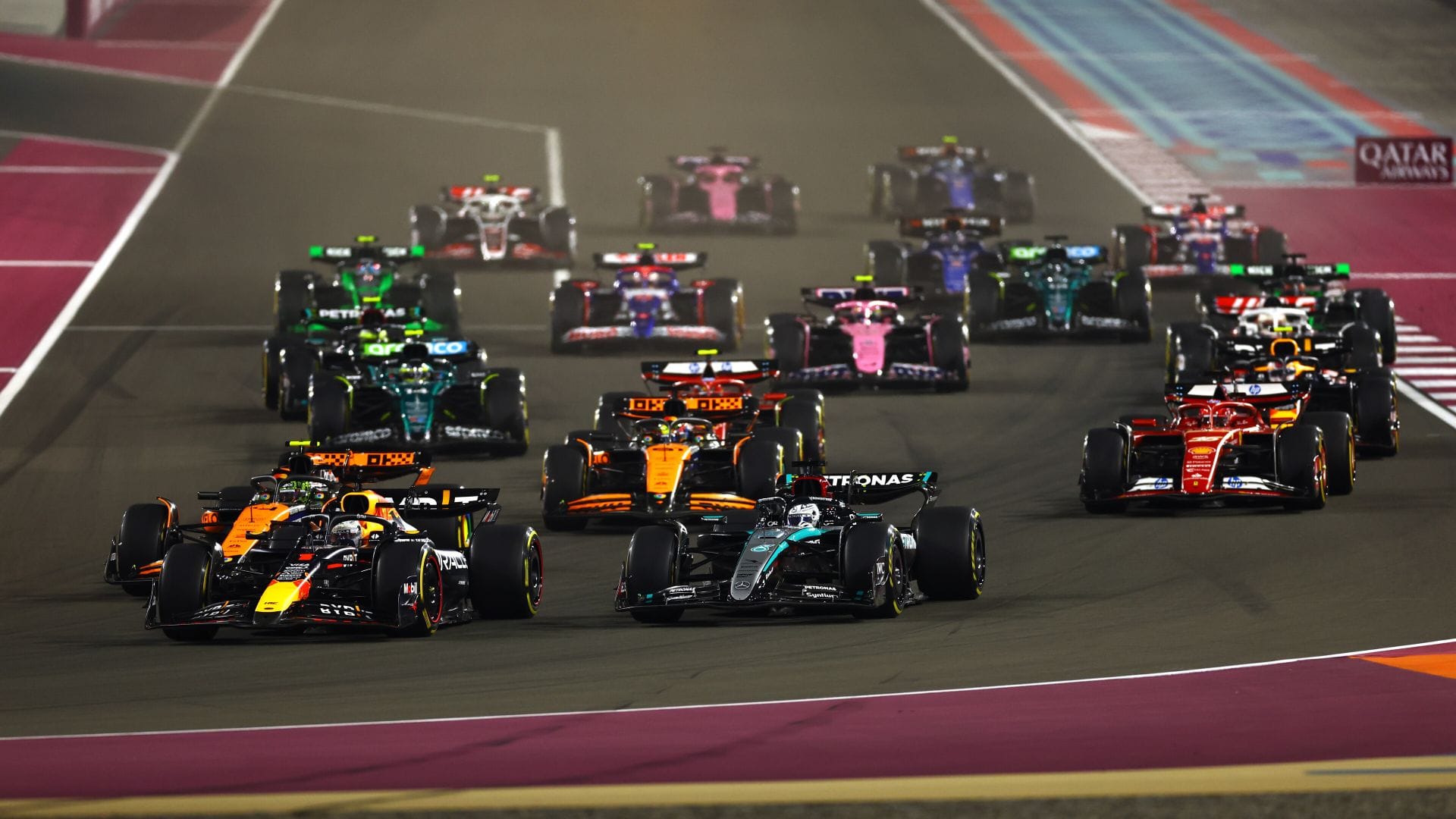
The 2025 Formula 1 season wrapped up yesterday, leaving fans buzzing with anticipation for what's next. As teams pack away their cars from the final races in Abu Dhabi, all eyes turn to 2026, where the sport dives into its most sweeping transformation since the hybrid era dawned a decade ago. Recent FIA updates in late November 2025 have locked in these changes, promising a grid alive with uncertainty and raw excitement from the opening lap in Australia.
This isn't just tinkering around the edges; it's a full reset designed to make races more intense, greener, and brutally tactical. With active aerodynamics replacing DRS, a 50-50 split in power delivery, and cars slimmed down for sharper handling, drivers will need every ounce of skill to pull off audacious moves. The early buzz from wind tunnels and simulators suggests chaos in the best way, as power unit suppliers like Audi and Red Bull-Ford gear up for their debuts amid whispers of reliability headaches that could flip podiums upside down.
The Massive Shift: What's Revolutionizing F1 2026 Cars and Rules
Formula 1's guardians at the FIA have unveiled regulations that shrink and lighten the machines, aiming for cars that dance through corners rather than bulldoze them. These 2026 beasts will measure 20 centimeters shorter and 10 centimeters narrower than today's models, with a wheelbase trimmed to 3.4 meters and an overall width of 1.9 meters. That drop in footprint, combined with a 30-kilogram weight reduction to 768 kilograms, should make following another car far less of an aerodynamic nightmare.
Pirelli's narrower tires – 2.5 centimeters slimmer up front and 3 centimeters at the rear – keep the 18-inch rims but introduce fresh compounds that demand smarter degradation management. Add in 100 percent sustainable, non-food-based fuel to push toward F1's net-zero carbon goal by 2030, and you've got variables that will test engineers' nerves right from pre-season testing. Lap times might dip by one to two seconds at first, but the trade-off is racing that rewards bold lines and split-second decisions over straight-line brute force.
Experts predict these tweaks will spark wheel-to-wheel duels in spots we've rarely seen action before, turning predictable processions into edge-of-your-seat spectacles. As one insider noted after reviewing simulator data last week, the closer racing could boost overtakes by 20 percent in mid-field scraps, injecting fresh drama into every grand prix weekend.
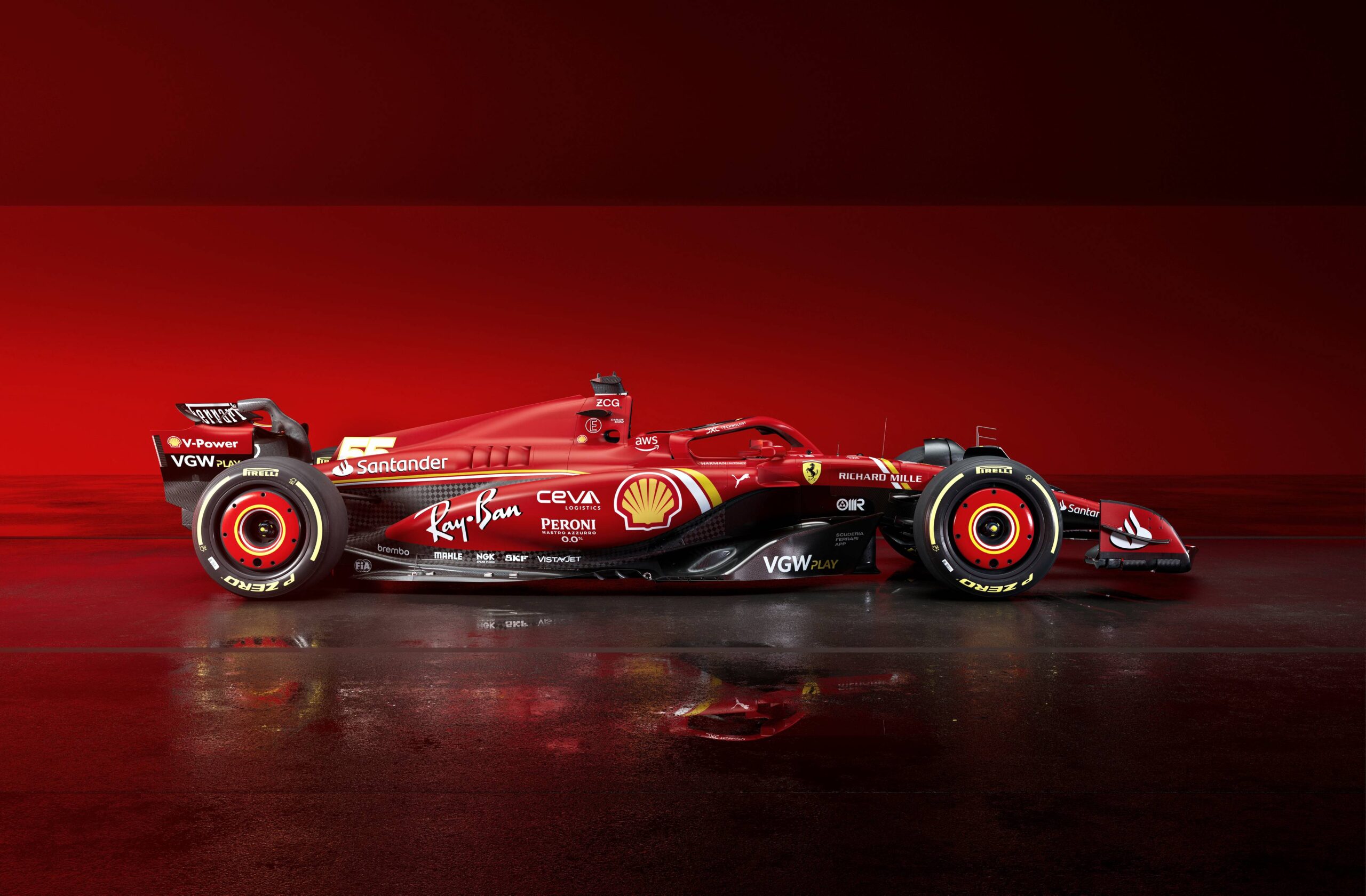
A striking side view of a recent Ferrari F1 car, highlighting the team’s legendary red livery and engineering excellence that has made it one of the richest and most iconic teams in motorsport.
Power in Balance: The 50-50 Hybrid Engines Set to Redefine Speed
Under the hood, the familiar 1.6-liter V6 turbo stays put, but the hybrid setup flips the script with equal shares of electric and combustion power – a clean 50-50 split that triples electrical output from 2025 levels. The MGU-H energy recovery unit bows out, handing teams the reins on balancing deployment, regeneration, and heat management in ways that feel both liberating and punishing.
This shift means drivers will juggle energy like never before, lifting off throttles to harvest battery juice or slamming into boost for a late-braking masterstroke. Early reliability could make or break seasons, with disparities emerging as some squads nail the integration while others chase gremlins through the night. Honda's exclusive pivot to Aston Martin, Audi's full-throttle entry via Sauber, and Red Bull's homegrown powertrains with Ford all add layers of intrigue to what feels like a high-stakes tech arms race.
The grid's engine alliances reflect this shake-up, blending continuity with bold gambles that could echo Mercedes' 2014 stranglehold for years.
| Team | Engine Supplier |
|---|---|
| McLaren | Mercedes |
| Mercedes | Mercedes |
| Red Bull | Red Bull-Ford |
| Ferrari | Ferrari |
| Williams | Mercedes |
| Haas | Ferrari |
| Aston Martin | Honda |
| Racing Bulls | Red Bull-Ford |
| Alpine | Renault |
| Audi | Audi |
| Cadillac | Ferrari |
Six manufacturers now fuel the fight, ensuring no one supplier dominates from day one and setting the stage for alliances that fracture and reform mid-season.
Ditching DRS: Active Aero Modes and the Art of Tactical Overtakes
Forget the drag reduction system's predictable pops on straights; 2026 ushers in manual override modes that let drivers toggle aerodynamics on the fly for organic passing opportunities. Z-Mode seals front and rear wings tight for cornering grip, while X-Mode cracks them open to slash drag and unleash top-end fury, deployable in designated zones or straights where rivals falter.
This setup borrows a page from Formula E's energy chess but amps it up with F1's blistering pace, forcing pilots to plot boosts around battery states and track position. George Russell captured the thrill recently, saying overtakes might bloom in "obscure locations, corners and straights where we've never seen them before," hinting at battles that spill into braking zones and apexes alike. Superior energy stewards could slingshot past depleted foes mid-lap, turning strategy sessions into nerve-jangling poker games.
As teams pore over data from November's final commission tweaks, the consensus builds that these modes will multiply close calls, especially in the opening races when setups still hunt for harmony.
The iconic red Formula 1 logo set against a black backdrop, symbolizing the speed, precision, and global prestige of the world’s premier motorsport series.
Budget Pressures and the Human Edge in F1's Next Chapter
Rebooting an entire car philosophy doesn't come cheap, so the FIA bumped the budget cap to $215 million for 2026, a sharp rise from $135 million this year to cover inflation, new tech demands, and broader expense inclusions like salary offsets for high-cost bases. Williams team principal James Vowles, drawing from his commercial roots at Mercedes, voiced the raw stakes with quiet intensity: “We’re going to have to be creative to stay competitive in 2026. It’s not about willpower, it’s about available resources.” His words carry the weight of a man who's seen underdogs claw for scraps, underscoring how this cap aims to level the field without stifling the sport's innovative soul.
Ferrari's Fred Vasseur echoed that sentiment, framing the reset as the essence of F1 grit – adapt or fade into the midfield fog. With Cadillac's Ferrari-backed arrival rounding out an 11-team roster, the commercial ripple effects could swell audiences and sponsorship dollars, but only if reliability holds and the racing delivers the promised fireworks.
Fans gear up for podium chaos, energy-fueled mind games, and debut dramas that test fledgling partnerships to their limits. This era feels electric, not just from the batteries, but from the unscripted stories waiting to unfold across 24 races.
Beyond the Basics: Answering the Buzz Around F1 2026
Will the New Engines Make F1 Cars Slower Overall?
Early projections point to a modest slowdown, with total power hovering around 1,000 horsepower thanks to the balanced hybrid emphasis and aero trade-offs for closer racing. Yet, the active modes should offset this in qualifying bursts, keeping outright speeds thrilling while prioritizing efficiency. Sustainable fuel adds another wrinkle, potentially stabilizing performance as teams master its quirks, but expect growing pains in hot climates like Bahrain or Singapore where heat rejection becomes a silent saboteur. Over time, as data flows in, lap records might creep back up, but the real win lies in battles that last entire stints rather than fading after a few laps.
How Exactly Will Overtaking Change Without DRS?
Active aero's Z and X modes hand drivers control over downforce and drag, enabling opportunistic pushes beyond fixed zones and fostering passes in flowing sections like Suzuka's Esses or Spa's Pouhon. Energy management turns every corner into a potential launchpad, where a well-timed lift-and-coast recovers enough juice for a decisive lunge. Sky Sports analysts highlighted this in a recent breakdown, noting that mid-2025 sim sessions already showed 15 percent more position swaps in non-straight scenarios. The catch? Mismanaged boosts could leave you vulnerable, amplifying the mental chess that defines champion-caliber racing.
Which New Teams and Drivers Could Shake Up the 2026 Grid?
Audi's takeover of Sauber brings factory backing and talents like Theo Pourchaire eyeing a seat, while Cadillac's Ferrari tie-in injects American flair with potential rookies from IndyCar pipelines. Honda's full commitment to Aston Martin pairs Fernando Alonso with a power unit revival, possibly luring Yuki Tsunoda for firepower. Red Bull-Ford's in-house evolution keeps Max Verstappen's edge sharp, but whispers of junior promotions add unpredictability. These shifts, fresh off November's engine allocation clarifications, promise a melting pot where established stars clash with hungry newcomers, fueling rivalries that span continents and keep fans glued through the off-season hype.