
Formula 1 roars into 2026 with unprecedented financial power, as last week Mercedes team principal Toto Wolff finalized a minority stake sale to CrowdStrike co-founder George Kurtz at a staggering $6 billion valuation, marking a 58% jump from Forbes' estimate just two years earlier. This deal positions Mercedes ahead of eight NFL teams, 24 NBA squads, 28 MLB clubs, and all NHL franchises in global sports wealth, captivating billionaires and savvy investors alike with the sport's dramatic transformation.
Teams now average $3.6 billion in value across the grid, and Ferrari holds the top spot at $6.5 billion, blending racing legacy with unmatched brand allure in a surge that turns F1 into a high-octane battleground where speed meets serious money.
The Billion-Dollar Grid: How F1 Teams Became Financial Juggernauts
Two years back, only four teams topped $1.5 billion in valuation, but now every one of the ten exceeds that mark with an 89% average rise since 2023, fueled by profitability, smart deals, and the $170 million cost cap for 2025 that has reshaped the sport's economics.
Teams averaged $430 million in revenue last year, with Mercedes leading at $799 million and placing tenth worldwide among sports franchises, while the cap shifted dynamics dramatically so that six teams posted profits, including Mercedes' impressive $202 million operating gain that rivals elite global leagues in stability.
Investors swarm the scene, as Red Bull rejected a $2.3 billion offer for its junior outfit and Mercedes' sale valued the team at 7.1 times revenue, drawing deep-pocketed backers who see the grid's potential. As one F1 business insider shared with Forbes, top teams now mirror NFL profitability in ways that feel truly incredible, stirring a profound sense of triumph for those who bet on the grid and turned chronic losses into reliable wins.
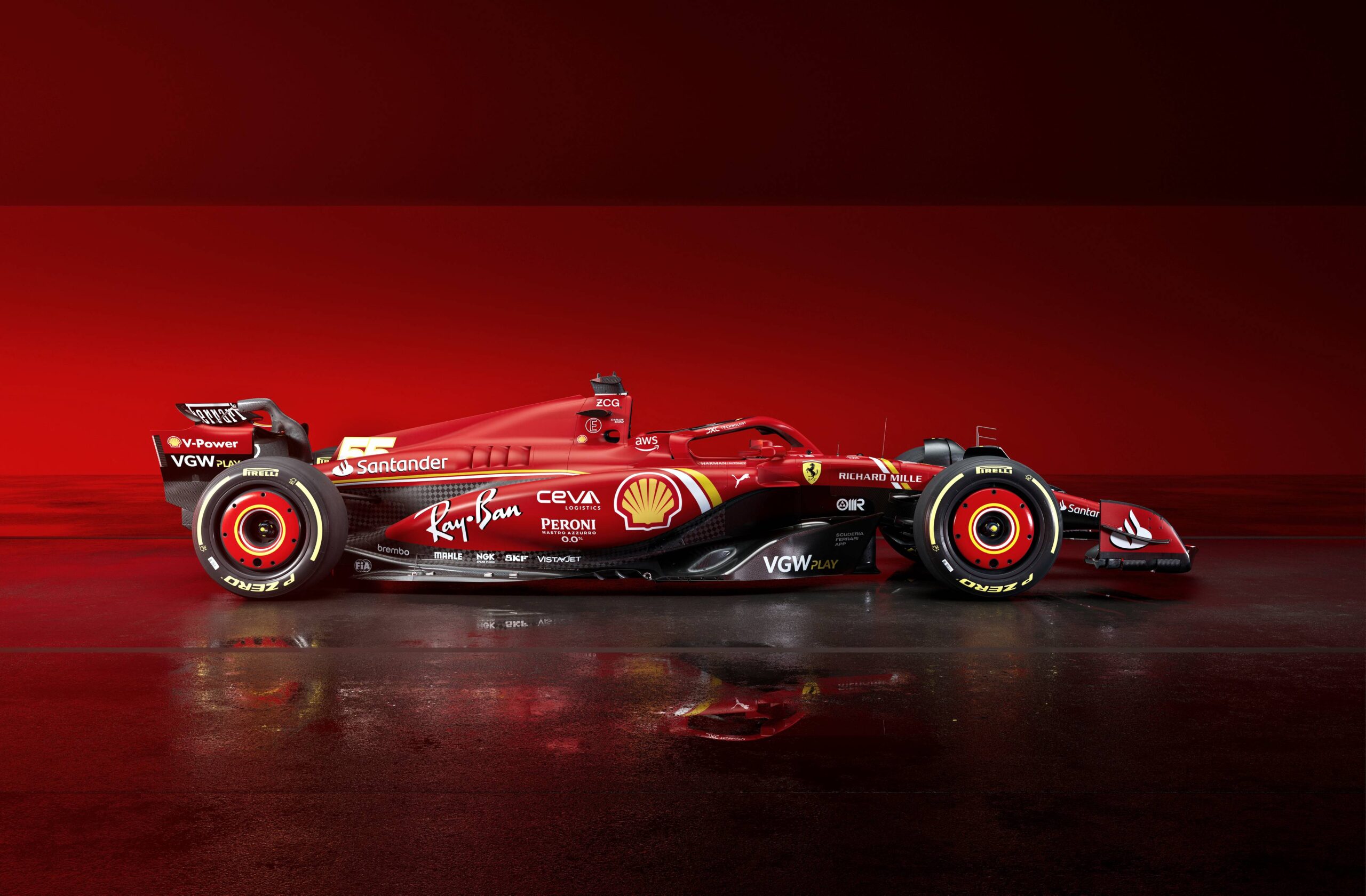
A striking side view of a Ferrari F1 car, highlighting the team’s legendary red livery and engineering excellence that has made it one of the richest and most iconic teams in motorsport.
The Richest Teams in Formula 1 2025
These powerhouses dominate both tracks and balance sheets, revealing stories of resilience, bold hires, and sponsorship windfalls that redefine motorsport success in ways that keep fans and financiers hooked.
- Ferrari — $6.5 Billion Revenue stands at $670 million with $80 million in operating profit under principal Frédéric Vasseur, as the Prancing Horse thrives on heritage and hype, generating social engagement that outpaces rivals by 31% and sponsor value by 44%, while Lewis Hamilton's red-hot arrival injects star power even amid on-track hurdles.
- Mercedes — $6 Billion Revenue hits $799 million alongside $202 million profit led by Toto Wolff, with George Russell and rookie Kimi Antonelli driving efficiency, and Adidas' $30 million apparel pact underscoring commercial savvy that cements the Silver Arrows as a profit machine in any sport.
- McLaren — $4.4 Billion Revenue climbs to $614 million with $61 million profit via Andrea Stella, as Zak Brown orchestrated a 26% yearly revenue spike from near-collapse five years ago, and Mastercard's $100 million 2026 sponsorship heralds a commercial renaissance.
- Red Bull Racing — $4.35 Billion Revenue reaches $618 million and profit $26 million under Laurent Mekies, with Max Verstappen's four titles anchoring sponsor appeal despite crew shifts, and Carlyle's fresh deal spotlighting talent's enduring draw.
- Aston Martin — $3.2 Billion Revenue totals $353 million with an $18 million loss guided by Andy Cowell, as Lawrence Stroll pours resources into stars like Adrian Newey and women-focused sponsors, promising long-term growth that pays off for patient backers.
The Formula 1 Investment Frenzy: Why Investors Can’t Look Away
Valuations hit eight times trailing revenue, up from 4.9 times in 2023, with Mercedes and Ferrari exemplifying rock-solid returns, while McLaren and Red Bull prove turnarounds yield fortunes, and even underdogs like Williams ($2.5 billion), Alpine ($2.45 billion), and Haas ($1.5 billion) lure bids amid tight supply.
Scarcity drives demand with just 11 teams next season after Cadillac's entry, as F1 expands into U.S., Saudi Arabia, and premium markets, and Apple TV's $140 million U.S. streaming pact bets on digital surges that create an irresistible pull for global capital.
Formula 1 transcends racing circuits, with valuations, profits, and deals accelerating like engines at full throttle, from Ferrari's $6.5 billion pinnacle to Haas' $1.5 billion grit that eclipses traditional sports giants. Billionaires and funds chase stakes once unimaginable, as the grid pulses with a raw, exhilarating promise of glory on and off the asphalt.
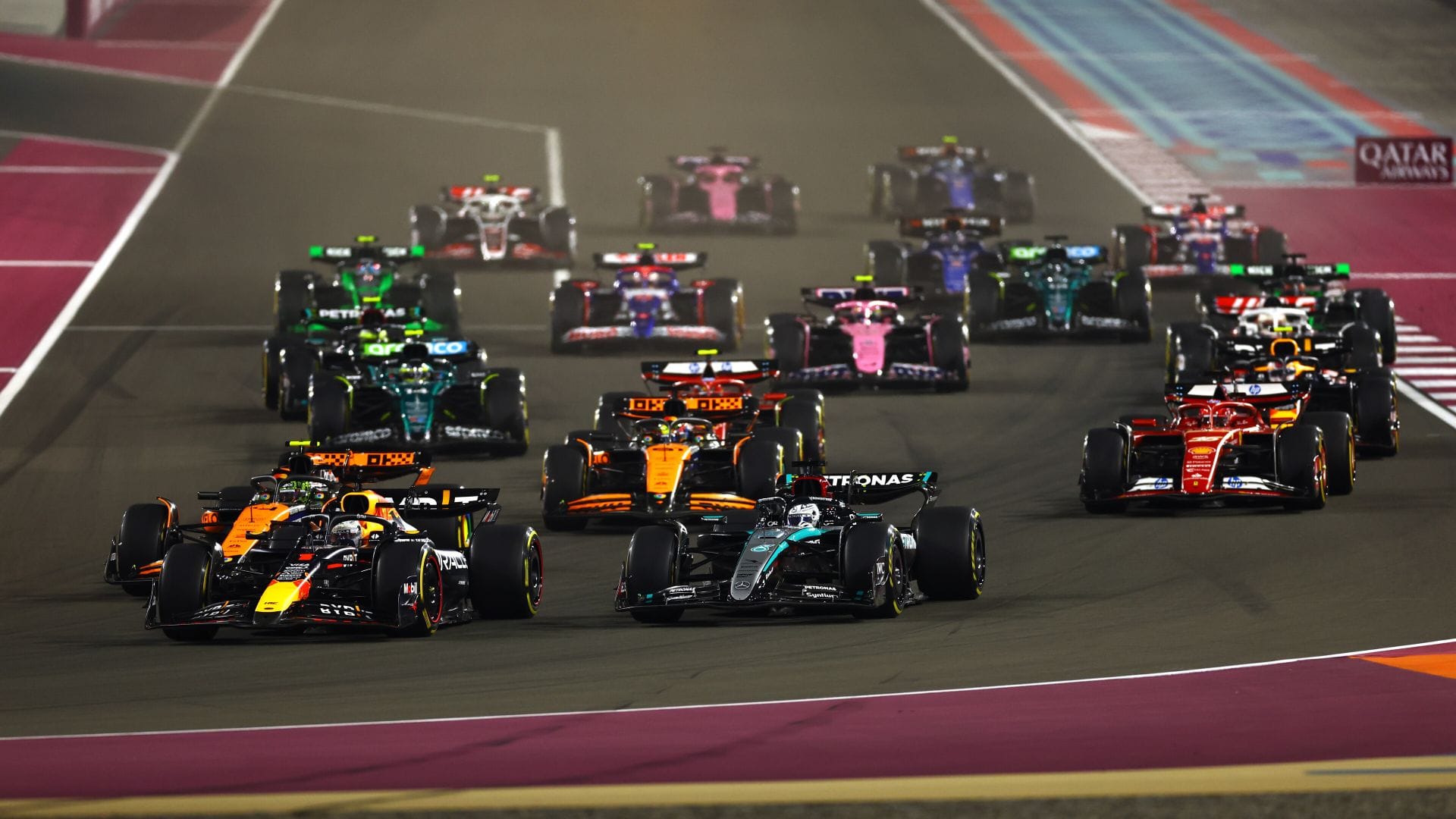
A thrilling shot of all 20 F1 cars battling on the Charlotte track, showcasing the skill, strategy, and high-stakes competition that define the world’s fastest sport.
Burning Questions on F1's Financial Firestorm
What Makes Ferrari the Crown Jewel Among 2025 F1 Valuations?
Ferrari's $6.5 billion tag stems from timeless prestige fused with modern commerce, generating $670 million in revenue through fervent fan loyalty and premium partnerships that amplify its appeal. The team's social media dominance, 31% above peers, boosts sponsor exposure worth 44% more than competitors, and Lewis Hamilton's 2025 switch adds celebrity buzz, drawing luxury brands eager to align with the Scuderia's scarlet legacy in a mix that ensures steady profits and investor confidence in a sport where heritage pays dividends year after year.
Why Did Mercedes' $6 Billion Stake Sale Shock the Sports World?
The deal with George Kurtz valued Mercedes at $6 billion, a 58% leap since 2023 per Forbes data, highlighting F1's profitability pivot under cost caps that yielded $202 million in operating gains last year. Toto Wolff's sale signals maturity, attracting tech titans like CrowdStrike's leader, and this transaction outvalues multiple NFL and NBA teams, underscoring how strategic sponsorships and driver talent like George Russell propel F1 into elite financial territory, thrilling investors with untapped growth potential.
How Is F1's Scarcity Fueling a Billionaire Buying Spree?
With only 11 teams in 2026 post-Cadillac, limited spots create premium pricing, as valuations doubled in two years to $3.6 billion average per recent Sportico rankings, and Red Bull's $2.3 billion rebuff exemplifies the frenzy. Global races in high-revenue spots like Saudi Arabia boost appeal, while streaming deals such as Apple TV's $140 million U.S. pact promise escalating media income, turning F1 stakes into coveted assets that evoke the electric rush of securing a front-row seat to motorsport's money revolution.