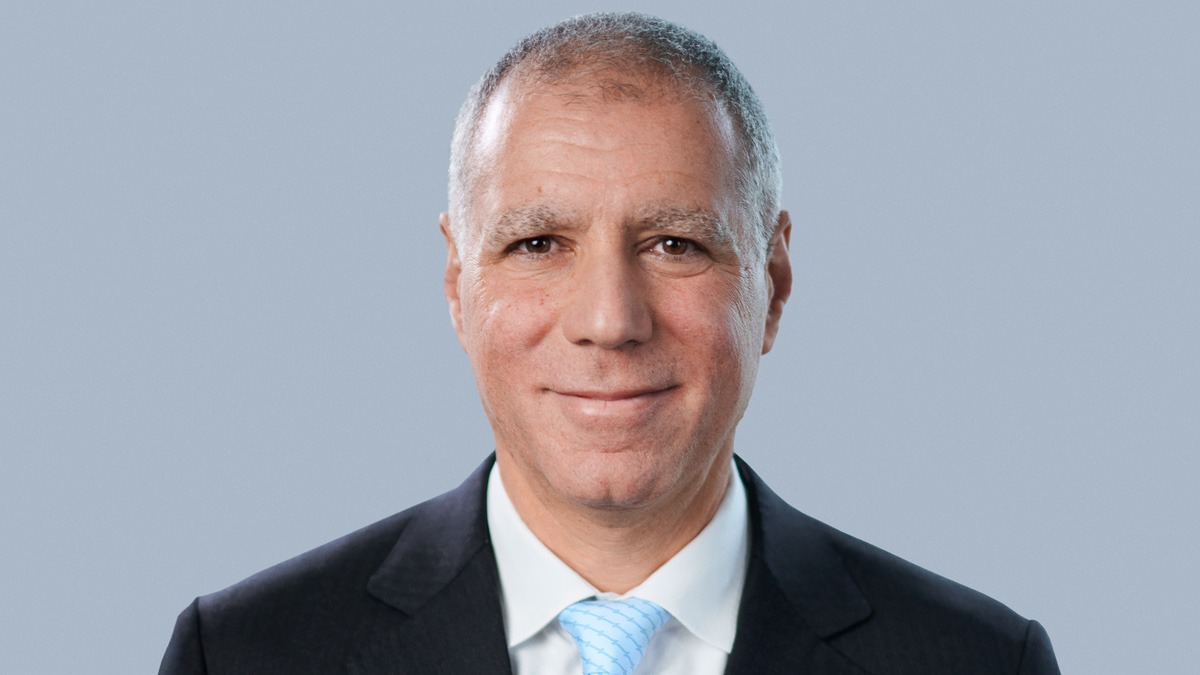
Georges Elhedery earned £6.6 million as CEO of HSBC in 2025 — but that figure only explains part of his wealth.
His net worth is estimated at £25 million to £60 million in 2026, built not just from salary, but from bonuses, stock awards and years of accumulated earnings inside one of the world’s largest banks.
Most of that £6.6 million was not paid as cash — and much of it may not be fully realised for years.
He became CEO in September 2024, succeeding Noel Quinn, and stepped into one of the most influential roles in global banking at a time when HSBC was reshaping its structure and strategy.
At this level, pay is not designed to be taken in full each year. It is structured, deferred, and tied to performance in ways that mean the headline figure rarely reflects what an executive ultimately accumulates.
Why the £6.6 Million Figure Doesn’t Tell the Full Story
HSBC’s disclosures show how that £6.623 million is constructed. A base salary of £1.479 million sits at the core, but the majority comes from a £3.605 million bonus and more than £1.2 million in long-term incentives.
On paper, that looks straightforward. In practice, it is anything but.
The salary is the smallest part of the package. Most of the compensation depends on performance targets and is delivered over time, often in shares that vest across several years. Some elements are exposed directly to HSBC’s share price, meaning their eventual value can rise or fall long after they are awarded.
HSBC also requires senior executives to build and maintain significant shareholdings, typically worth several times their salary, aligning their personal wealth with the long-term performance of the bank.
What appears to be a single year’s income is, in reality, spread across multiple years and tied to outcomes that have not yet fully played out.
How His Wealth Has Actually Been Built
Elhedery did not accumulate wealth through a single event or windfall. His position is the result of a long progression through global banking.
He built his career inside HSBC, rising through its investment banking and markets divisions before becoming Co-CEO of Global Banking & Markets. In 2023, he was appointed Group Chief Financial Officer, placing him at the centre of the bank’s financial strategy ahead of his promotion to CEO the following year.
Each step brought higher compensation, but also a shift in how that compensation was delivered.
Early in his career, earnings would have been largely salary-driven. At senior levels, bonuses become more significant, and long-term incentives begin to dominate. Over time, those awards accumulate and overlap, creating a layered structure of deferred income that builds wealth gradually.
Why Banking CEOs Don’t Become Billionaires
For someone running a bank of HSBC’s scale, a net worth in the tens of millions can seem modest. In 2025 alone, the group reported $29.9 billion in profit before tax, underlining the size of the institution he leads.
The difference comes down to ownership.
Unlike founders in technology or private equity, bank executives do not typically hold large equity stakes in the institutions they run. Their wealth is built through structured compensation rather than ownership of the business itself.
That creates a different financial profile. Wealth builds steadily through salary, bonuses and long-term incentives, rather than accelerating through a single liquidity event.
How He Compares to Other Global Bank CEOs
Within global banking, Elhedery’s compensation sits within the expected range.
Leaders such as Jamie Dimon at JPMorgan have earned similar annual packages over time, but the real divergence in net worth tends to come from tenure and accumulated stock awards. The longer an executive remains at the top, the more those deferred incentives stack up, and the greater their exposure to long-term share price performance.
That is why net worth among bank CEOs often reflects time in role as much as headline pay.
The Real Meaning of His Net Worth
The £25 million to £60 million estimate attached to Georges Elhedery is not a precise figure, and it is not meant to be. It is a reflection of a system.
At HSBC, compensation is designed to align executives with long-term performance. Bonuses depend on results. Incentives vest over years. A significant portion of what is awarded today may not be fully realised until much later.
The £6.6 million he earned in 2025 is visible. The larger part of his wealth sits behind it — in stock, deferred awards, and years of accumulated earnings that do not appear all at once, but build steadily over time.