

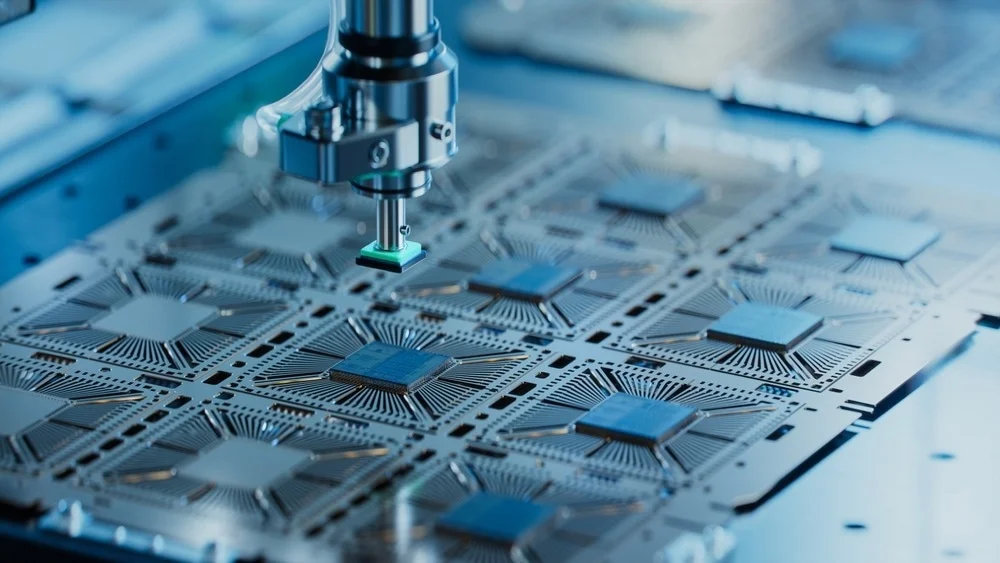
Shoppers and tech users are already feeling the ripple effects of soaring chip prices. From the cost of the latest iPhones to delays in laptops and gaming consoles, supply shortages are showing up on store shelves and e-commerce carts alike.
Executives at Apple, Nvidia, and Intel warn that the AI-driven demand for advanced chips could push prices higher and make certain devices harder to get this year.
The Semiconductor Industry Association reported that global chip sales hit nearly $792 billion in 2025, a 25.6% jump over the previous year.
With spending on artificial intelligence infrastructure continuing to surge, that number is expected to top $1 trillion in 2026, directly affecting everyday users who rely on devices powered by these components.
Advanced Chips Lead The Surge
The fastest-growing category is advanced computing chips, including those made by Nvidia, AMD, and Intel. Sales jumped nearly 40% last year, totaling $301.9 billion. These chips power AI applications, gaming PCs, data centers, and high-performance laptops.
For consumers, that growth means higher prices and tighter availability for products that depend on these components. Gamers looking for new graphics cards, professionals updating AI-ready workstations, and even schools purchasing laptops for students may find themselves paying more or waiting longer for devices.

The soaring demand for AI chips is driving up prices for memory and electronics, potentially affecting everything from smartphones to PCs in 2026.
Memory Chips Are Feeling The Pressure Too
Memory chips, used in everything from smartphones to servers, are the second-largest category, with sales rising 34.8% to $223.1 billion. Prices are climbing as AI firms and cloud providers compete for limited supply.
This shortage translates into immediate impacts for everyday users. New phones and laptops may come with smaller storage, higher price tags, or delayed shipping. Even tech hobbyists and small businesses building custom PCs are feeling the squeeze, as memory modules become both costlier and harder to source.
What The AI Build-Out Means For You
Executives in Silicon Valley report that orders for chips are already filling factories for months in advance. John Neuffer, president of the Semiconductor Industry Association, says no one knows exactly what demand will look like next year, but companies are booking capacity now.
For individuals, that means a new normal: products could be priced higher, shipped later, or limited in quantity. The devices we take for granted—phones, laptops, gaming consoles, and smart home tech—may suddenly become harder to buy or more expensive, simply because AI data centers are using so much of the available supply.
A Market Feeling The Strain
This trend isn’t isolated. From Apple stores to online retailers, shoppers notice fewer devices in stock and price tags creeping upward. Even minor upgrades, like a higher-storage SSD in a laptop or extra RAM in a PC, can carry premium costs.
As AI continues to expand, smaller manufacturers and startups face the toughest constraints. Their customers, in turn, may delay purchases, settle for less powerful equipment, or pay significantly more to get the technology they need.
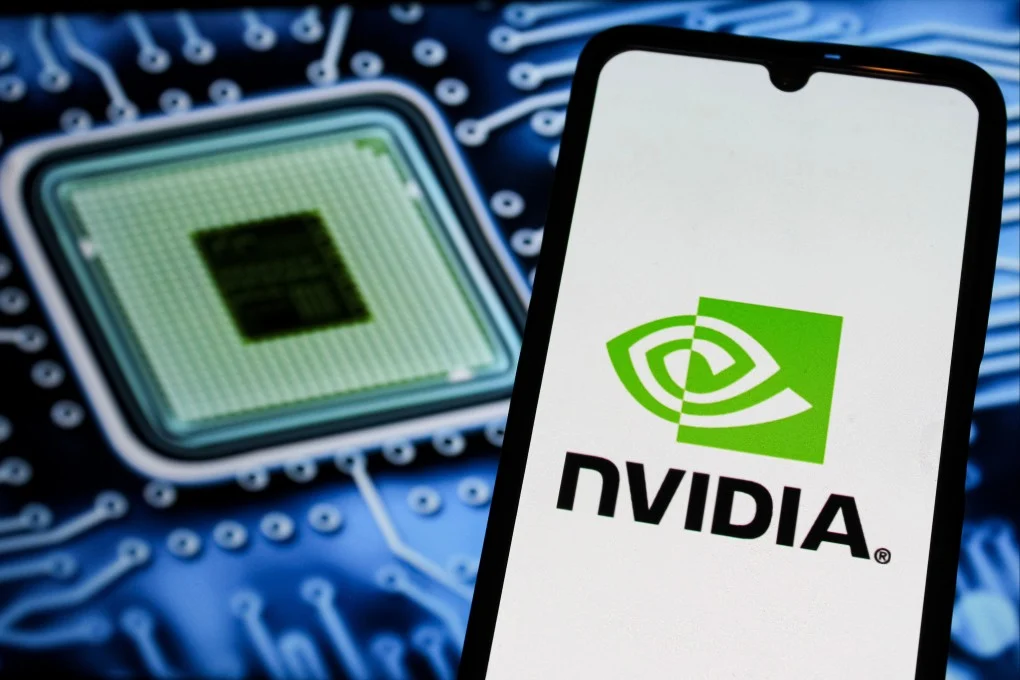
Nvidia logo next to a cutting-edge AI chip, symbolizing the company's role in powering the global semiconductor boom.
The Ripple Effect On Daily Life
It’s not just tech enthusiasts who feel the impact. Schools budgeting for laptops, families replacing phones, gamers upgrading consoles, and small businesses expanding IT systems all see immediate effects. Every chip sold to a data center or cloud provider is one less available for a consumer device.
The global semiconductor surge shows how a decision at the top—AI investment and corporate buying—can cascade down to affect individual budgets, schedules, and access to everyday technology.
Uncertainty Remains
While the chip industry projects strong growth, the reality for consumers remains unpredictable. Prices could spike further, shortages could deepen, and shipping times could extend. Every new announcement about AI infrastructure or chip sales could immediately influence what’s available on store shelves.
For now, shoppers must weigh choices carefully, whether to pay more, wait longer, or adjust expectations. The boom in semiconductors has reached your pocket, your desk, and your devices—forcing everyday people to adapt to a market shaped by the most powerful tech companies in the world.