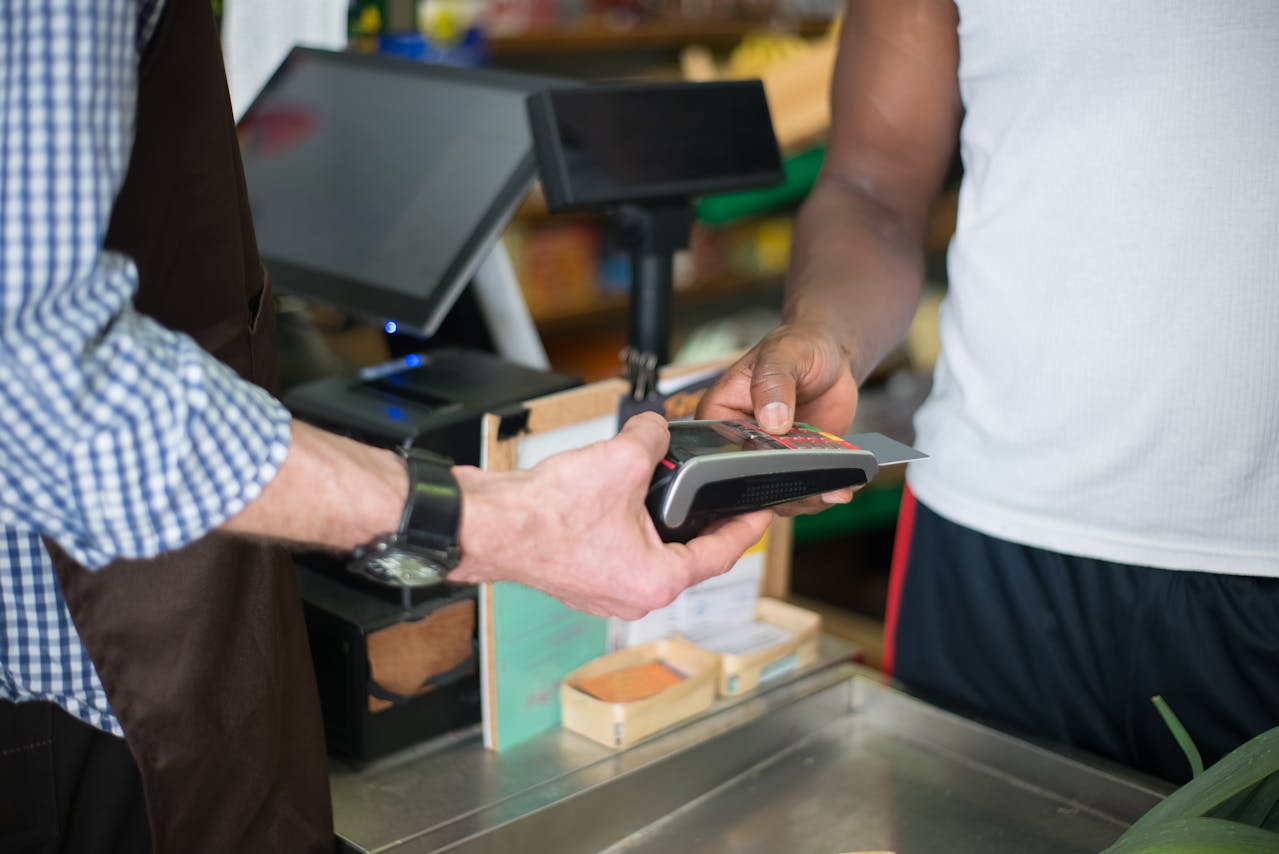
Each day, we see more and more digital storefronts asking for your credit or debit card information. Paying with a credit card on a top-up site can feel like a bigger step than buying something from a regular online store. No wonder it makes people extra alert, and honestly, that’s a good instinct. The question isn’t “is every top-up site safe,” it’s “how do you tell when one is safe enough to trust with card details.”
Here’s how to think about it, without spiraling into paranoia.
What “Safe” Actually Means Here
When people ask if it’s safe to use a credit card, they’re usually asking about two things at once.
One is payment security, will your card details be handled properly through standard, encrypted checkout and established payment processing? The other is purchase reliability: will you actually receive what you paid for, quickly, and in a usable form?
A good top-up platform should cover both. If it only looks secure but fails on delivery, it’s still a problem. If it delivers quickly but uses sketchy payment flows, that’s also a problem.
How Legit Top-Up Sites Handle Card Payments
On reputable platforms, credit card payments go through a known payment infrastructure. That means you’re paying through secure gateways and standard verification steps, not through odd manual transfers or methods that feel improvised.
You’ll usually notice this in small, practical ways. The checkout page looks like a normal secure payment flow. The site doesn’t ask for unrelated personal details, and the payment confirmation is usually instant. You’re not bounced through random pages or asked to do something unusual to “complete” the transaction.
Is Refilled Safe for a Credit Card?
Top-ups on Refilled are paid for the same way you’d pay on most online stores, so it doesn’t feel like a weird workaround. The flow is quick, as you’re not pushed into making an account. You can also see exactly what you’re buying before you pay, like the value and where it can be redeemed. If you’d rather not use a card directly, you can use alternative payment methods like PayPal.
A Quick Note About Fees
It’s common for top-up platforms to add a service fee at checkout. That doesn’t automatically make a site unsafe; it just means you should pay attention to the final total before confirming payment. The important part is that the fee shows up clearly before you approve the transaction, so you can decide if the purchase still makes sense.
Why Using Credit Cards Is Common on Top-Up Sites
Credit cards are a popular choice on top-up sites because they’re widely accepted and usually work smoothly with common verification steps during checkout. Some users also prefer them for digital purchases because they don’t pull money directly from their bank account.
What to Check Before Paying on Any Top-Up Site
Instead of trying to judge safety based on vibes, it helps to check a few practical signs.
A legitimate platform should clearly explain what you’re buying, where it can be redeemed, and whether there are region restrictions. It should show the final price before payment. And the site should offer support options in case something goes wrong.
So, Is It Safe to Use a Credit Card on Sites Like Refilled?
It can be and is, as long as you’re using a reputable top-up platform that handles payments through secure infrastructure and is transparent about pricing and product details. Refilled fits the general profile, with a familiar checkout flow, quick delivery, and a purchase guest checkout that doesn’t require you to over-share personal information.
The best approach is always simple. Treat it like any other online purchase. Check the product details, confirm the final total at checkout, and use platforms that keep the process clear and professional. When a platform gets those fundamentals right, using a credit card on a top-up site becomes just another routine online payment.