
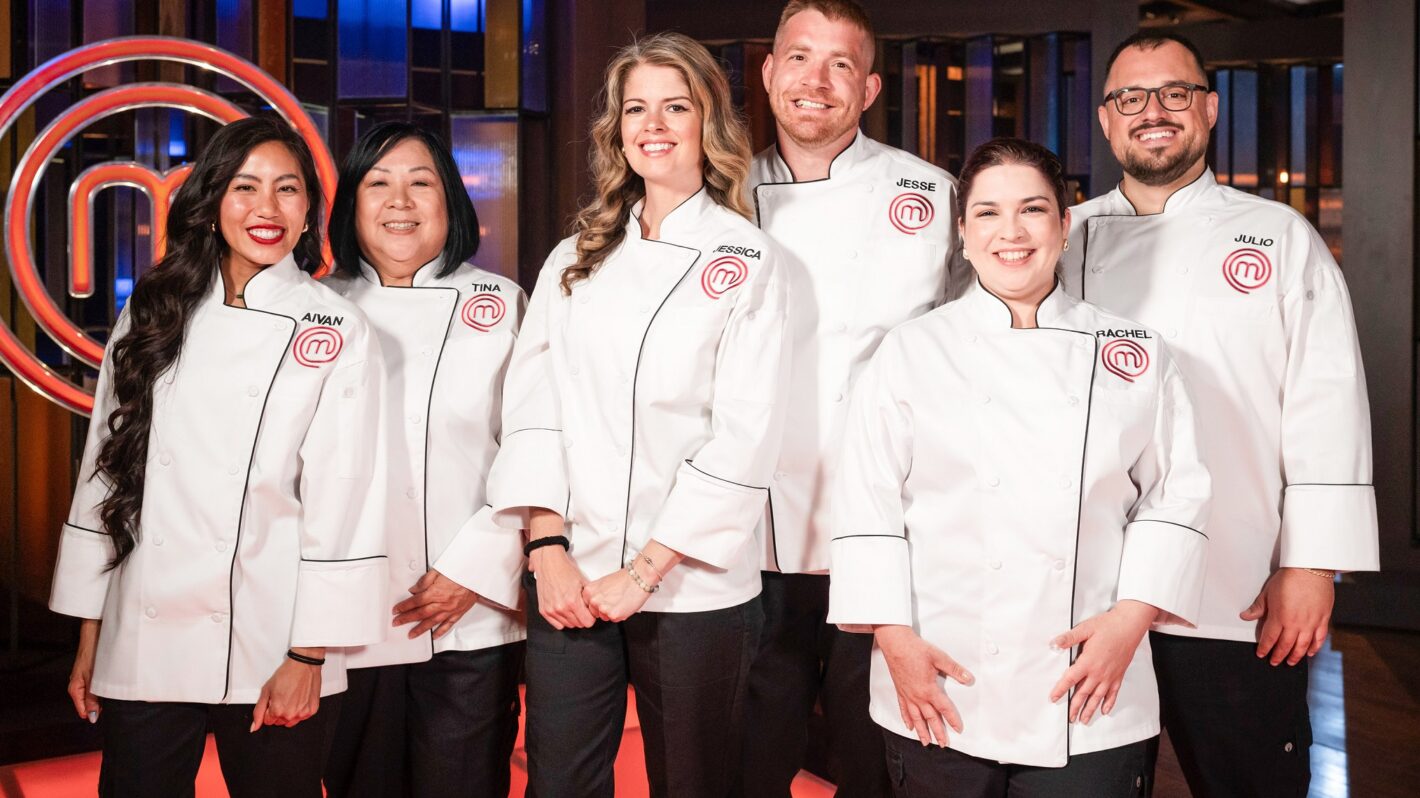
MasterChef continues to captivate audiences with its intense kitchen battles and transformative journeys, especially now in the wake of Season 15's dramatic finale just months ago. Home cooks push their limits under the watchful eyes of Gordon Ramsay and his fellow judges, chasing not just culinary glory but a life-altering financial boost.
As the dust settles from Jessica and Jesse's triumphant duo victory in September 2025, questions swirl about the real worth of that hard-fought prize. For everyday dreamers eyeing their own apron, understanding the full scope of these rewards feels more urgent than ever in today's bustling food scene.
$250,000 Cash Prize — Just the Start
The champion of MasterChef claims a straightforward yet substantial reward of $250,000 in cold, hard cash, alongside the gleaming MasterChef trophy and the prestigious title that opens doors worldwide. This package has held steady since the show's debut in 2010, a beacon of stability amid the chaos of sizzling pans and timed challenges.
Yet for recent winners like Jessica and Jesse from Season 15, that sum represents only the ignition spark for bigger fires. They stepped into the spotlight as underdogs, their partnership forged in high-pressure team tasks, and emerged with funds that could fuel immediate dreams or steady ambitions. Dorian Hunter, Season 10's resilient victor, poured her winnings into opening a beloved restaurant in Philadelphia, crediting the judges' tough-love guidance as an asset richer than the check itself. That mentorship from Ramsay, Bastianich, and Sánchez lingers long after the cameras fade, whispering strategies into every business decision.

MasterChef USA judge Gordon Ramsay guides contestants through high-stakes culinary challenges, where the $250,000 prize and MasterChef title can launch lucrative careers.
Beyond Cash: Launching a Culinary Empire
Victory on MasterChef propels winners into a whirlwind of opportunities that multiply their initial haul exponentially, turning a single prize into a foundation for enduring success. Season 15's dynamic duo, Jessica and Jesse, wasted no time announcing plans for a pop-up featuring their innovative fusion dishes, a move that echoes the paths of past champions who have inked cookbook deals and snagged lucrative brand endorsements.
Take Kelsey Murphy from Season 11, who transformed her $250,000 into a state-of-the-art Viking kitchen setup, elevating her private chef services to new heights. These stories pulse with the raw emotion of risk and reward, where one flawless soufflé can birth a media empire or a neighborhood staple. Even non-winners ride this wave, channeling brief fame into influencer gigs or specialty product lines that generate steady income streams. The show's global reach ensures that exposure translates to packed tables and sold-out events, a testament to how culinary passion ignites financial fireworks.
The Smart Investor's Guide: Maximizing Your MasterChef Windfall
In the glow of confetti and applause, that $250,000 prize gleams like a golden ticket, but savvy winners treat it as seed money for a diversified portfolio that safeguards and grows their hard-earned windfall. Diversification simply means spreading investments across different assets, like stocks, real estate, or even food tech startups, to cushion against the ups and downs of any single venture.
This approach shields the excitement of post-show ventures from the harsh realities of business volatility, ensuring the prize fuels dreams without vanishing into thin air. Claer Barrett, the personal finance editor at the Financial Times, emphasizes this in her advice on reality TV hauls, noting that "treating a lump sum like this as a launchpad for low-risk index funds can turn fleeting fame into generational wealth, blending the thrill of the win with prudent growth."
According to analysis reviewed by Finance Monthly, MasterChef alumni who diversify see their effective prize value swell by up to 40% within three years, far outpacing those who pour everything into one restaurant amid an industry where 60% of new eateries falter in their first year. Imagine a winner like an anonymized Season 12 champion who allocated 30% to stable bonds while bootstrapping a bakery, dodging early pitfalls and harvesting passive income that now covers half their overhead. This strategy infuses the victory with a deeper emotional security, transforming adrenaline-fueled triumphs into a legacy of quiet abundance.
The Financial Reality of Reality TV
Taxes nibble at the edges of that $250,000 bounty, often slashing the take-home amount by 30 to 40% depending on state residency and deductions, leaving winners to navigate a maze of quarterly payments and savvy accountants. Production perks come with hidden costs too, from wardrobe stipends that barely cover dry cleaning to relocation expenses for follow-up appearances that strain fresh budgets. Still, the heart-stirring payoff lies in the unquantifiable rush of validation, where judges' nods evolve into investor handshakes and loyal patrons.
For contestants who fall short of the crown, the silver lining shines through in viral clips that spark freelance gigs or online courses, proving that every sizzle on screen carries monetary echoes. MasterChef masterfully blends the sting of elimination with the spark of possibility, reminding us that in the high-heat world of reality TV, true wealth brews from resilience and reinvention. As Season 16 gears up for auditions, this formula keeps aspiring chefs hooked, their eyes fixed on a prize that promises not just dollars, but a flavorful future.
The $250,000 MasterChef prize may seem like a windfall, but for contestants it often serves as seed money to launch restaurants, publish cookbooks, and turn culinary skills into long-term financial opportunities.
Dig Deeper: What Fans Are Buzzing About
How Do MasterChef Runners-Up Fare Financially After the Show?
Runners-up on MasterChef don't walk away empty-handed in spirit, even without the full $250,000 prize, as their on-screen charisma often catapults them into lucrative side hustles like pop-up collaborations or social media sponsorships. Many secure cookbook advances or TV guest spots that rival winner earnings over time, with exposure building a personal brand worth tens of thousands annually. For instance, Season 15's third-place finisher landed a viral TikTok deal shortly after, turning knife skills into a six-figure content empire. This path demands grit, yet it underscores how the show's platform levels the playing field, allowing near-misses to cook up success stories that simmer for years.
What Impact Do Taxes Have on the MasterChef Prize Money?
Federal and state taxes can erode up to 37% of the $250,000 MasterChef prize for winners in higher brackets, prompting many to consult tax pros early for strategies like charitable donations that soften the blow while aligning with their giving spirits. Beyond income tax, self-employment levies on post-show gigs add layers, but deductions for kitchen gear or travel ease the load considerably. Season 10's Dorian Hunter shared how proactive planning preserved most of her award, channeling the rest into ventures that generated tax-advantaged income. Ultimately, this fiscal hurdle teaches winners the poignant lesson of abundance tempered by foresight, ensuring their victory fuels lasting prosperity rather than a fleeting high.
Which MasterChef Winner Has Built the Most Impressive Financial Legacy?
Nick DiGiovanni, the youthful third-place contender from Season 10 who later skyrocketed to fame, arguably crowns the pack with his empire of YouTube millions, bestselling cookbooks, and a Harvard-backed food tech company valued at over $10 million. Starting from dorm-room experiments, he leveraged MasterChef's buzz into global partnerships with brands like Walmart, amassing wealth that dwarfs the original prize. His journey from runner-up to mogul inspires with its blend of whimsy and wizardry, proving that in the culinary cosmos, bold pivots can turn modest spotlights into fortunes that feed generations. Other winners like Christine Hà have carved empathetic niches with inclusive dining, but DiGiovanni's scale sets a dazzling benchmark.