Fresh details emerged today on December 17, 2025, as Australian authorities formally charged 24-year-old Naveed Akram with 59 serious offenses, including 15 counts of murder and committing a terrorist act, following Sunday's devastating attack at Bondi Beach. This marks a grim turning point in the investigation into the massacre that claimed 15 lives during a Hanukkah celebration, sending shockwaves through Sydney and beyond.
As police confirm early signs point to inspiration from Islamic State ideology, the focus sharpens on Akram's background, his family's influence, and the chilling motives that drove him to target innocent families in what has become the nation's deadliest shooting since 1996.
Naveed Akram's Early Life and Troubled Roots in Sydney
Naveed Akram grew up in Bonnyrigg, a quiet suburb in Sydney's southwest, where he held Australian citizenship and blended into everyday life as a young man navigating his twenties. Born to immigrant parents, with his father Sajid originally from Hyderabad in southern India, Akram reportedly had ties to Pakistan through his education, having studied at Hamdard University in Islamabad before returning to Australia. He worked as a bricklayer until recently losing his job, a detail that investigators are now scrutinizing as a potential trigger in his downward spiral. Friends described him as reserved, yet beneath that exterior, authorities say he harbored growing resentments that isolated him further from society.
What stands out in today's updates is Akram's prior brush with security agencies, dating back to 2019 when ASIO flagged him for associations with an Islamic State-linked cell in Sydney. Despite this, he obtained a valid firearm license, raising urgent questions about oversight in a country with strict gun laws. His life seemed ordinary on the surface, marked by family ties and routine work, but simmering frustrations appear to have pushed him toward radical online spaces, where extremist views took hold and reshaped his worldview.
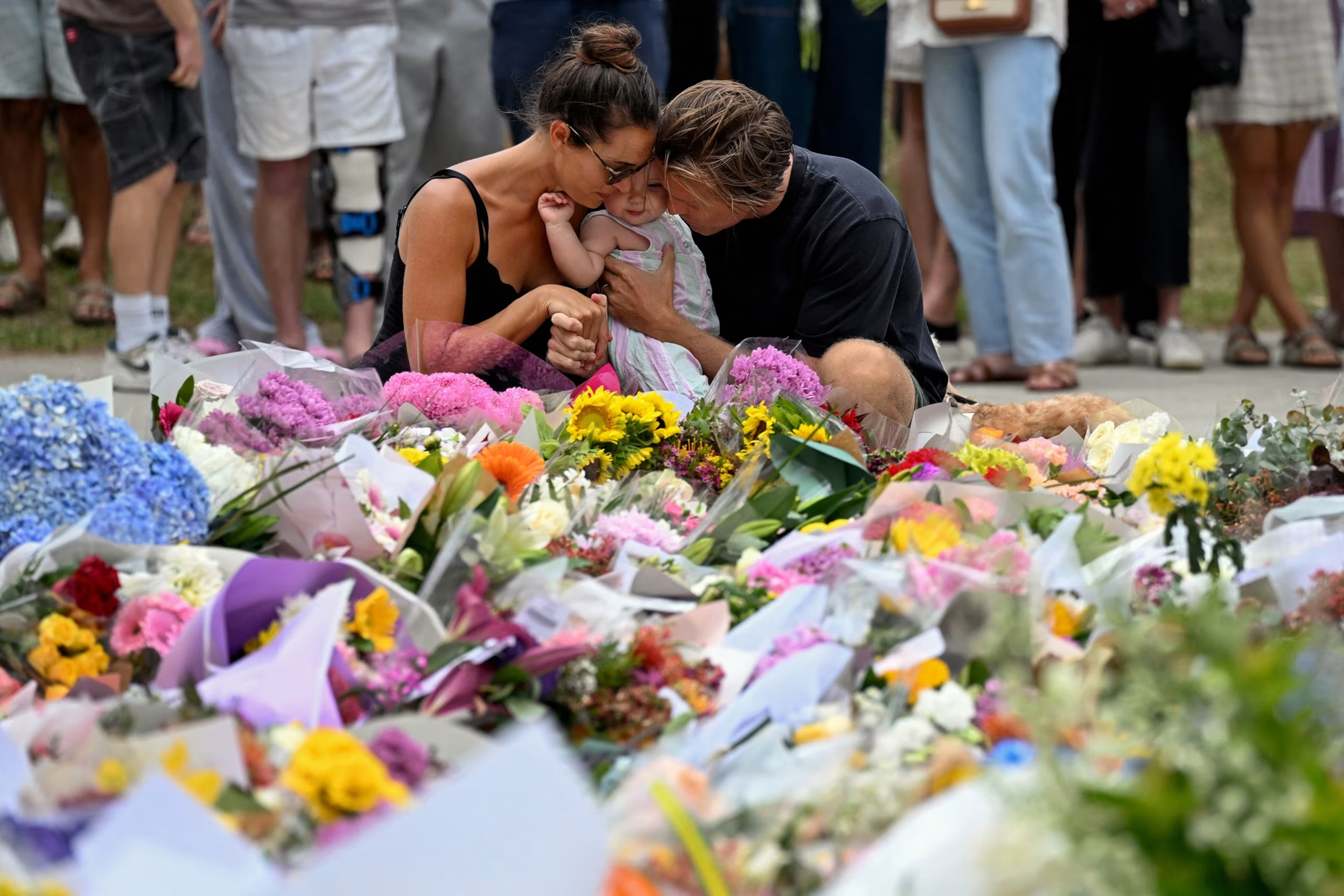
Heartbroken Sydney residents gather to lay flowers and pay respects at a makeshift memorial for the victims of the Bondi Beach shooting, capturing the raw grief sweeping the community in the days after the tragedy.
The Father-Son Duo Behind the Carnage
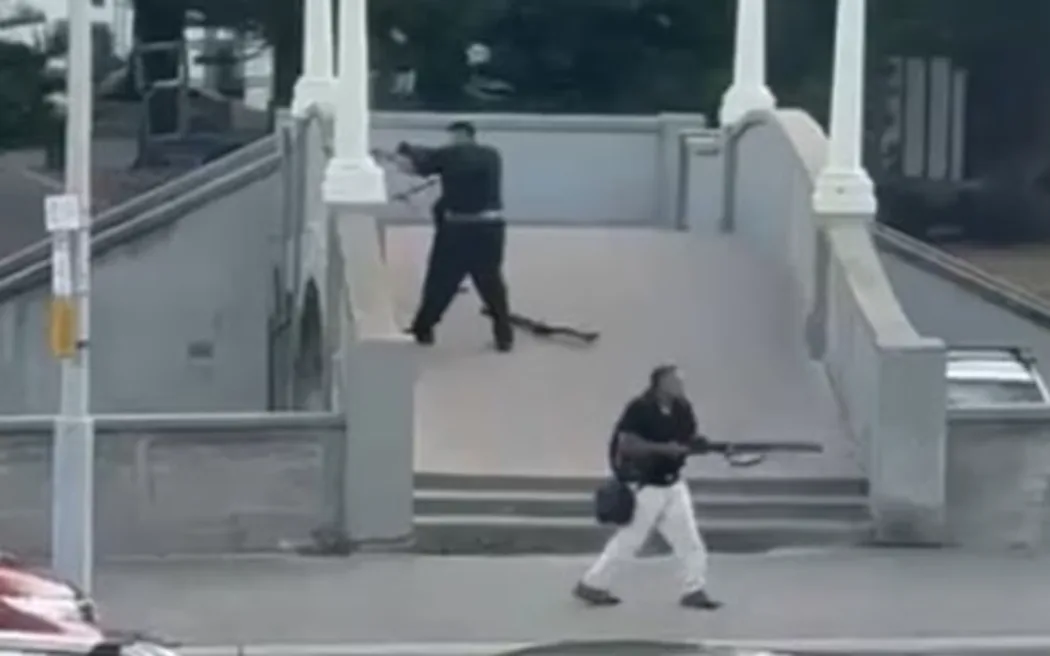
Sajid Akram, Naveed's 50-year-old father, played a central role in the tragedy, dying in a shootout with police at the scene while allegedly aiding his son in the assault. Traveling on an Indian passport, Sajid had limited contact with relatives back in Telangana, India, suggesting a family dynamic strained by distance and perhaps unspoken tensions. The pair's month-long trip to the Philippines in November, ending in Davao City, now looms large in the probe, with officials exploring whether it exposed them to radical networks or served as a planning phase for the attack.
Today's charges highlight how this father-son bond twisted into something deadly, with homemade Islamic State flags and improvised explosive devices found in their vehicle, pointing to coordinated preparation. It's a heartbreaking layer to the story, imagining a parent not guiding their child away from harm but deeper into it, leaving communities to grapple with the profound betrayal of familial trust in the face of such violence.
Clues to Radicalization and the ISIS Connection
Investigators revealed today that Naveed Akram followed notorious Sydney jihadist preacher Wisam Haddad, a figure linked to promoting extremist ideologies, though Haddad denies any involvement. This connection, combined with Akram's 2019 ASIO scrutiny for ties to an ISIS cell, paints a picture of gradual radicalization fueled by online propaganda and personal grievances. Police confirmed the attack's terrorist designation, with Prime Minister Anthony Albanese noting motivations aligned with Islamic State beliefs, evident in the prohibited symbols displayed during the rampage.
The timing, striking on the first night of Hanukkah amid a gathering of Australia's Jewish community, underscores antisemitic intent, transforming a festival of light into a scene of terror. As raids on Akram's home continue, mapping his network of influences, the narrative shifts from a lone troubled individual to someone embedded in broader radical currents, prompting a nationwide reflection on how such ideologies infiltrate everyday lives.
Victims' Stories and the Ongoing Fight for Justice
Among the 15 lost were two rabbis, a Holocaust survivor, and 10-year-old Matilda, whose family shared their devastation as her funeral approaches tomorrow. Heroes like Boris and Sofia Gurman, captured on video fighting back, and injured officer Jack Hibbert, now facing partial blindness, embody the raw courage amid the chaos. Twenty survivors remain hospitalized, one critically, as Sydney holds vigils and funerals, including today's service for Rabbi Eli Schlanger, remembered as a beacon of love and self-sacrifice.
With Akram's case adjourned to April 2026 after a bedside court appearance, the path to accountability stretches ahead, but today's charges offer a measure of closure. Police Commissioner Mal Lanyon emphasized fairness in questioning, waiting for Akram's medication to clear, while the community demands stronger measures against rising antisemitism, including enhanced funding for Jewish institutions and tougher hate speech laws.
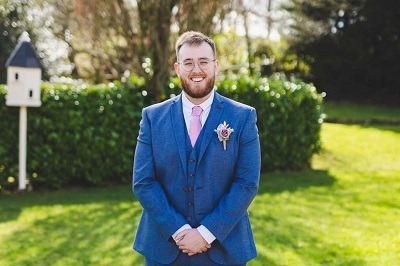
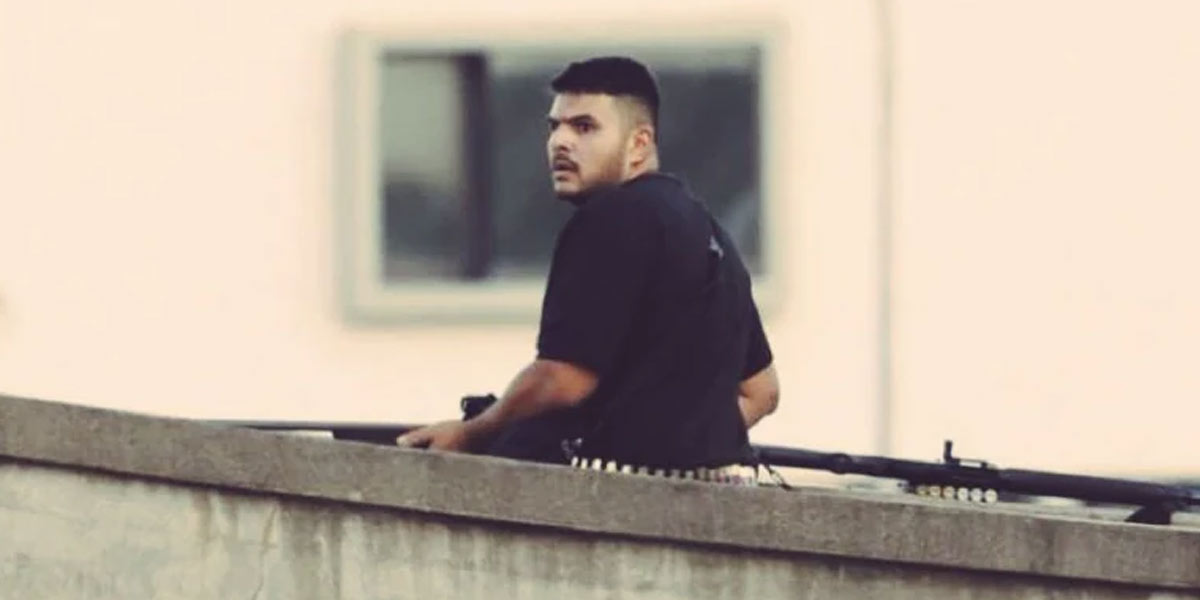
Blurry images of Naveed Akram and his father Sajid Akram, the 50-year-old accomplice shot dead by police during the Bondi Beach Hanukkah attack that turned a family bond into a deadly partnership.
Lingering Mysteries in the Bondi Beach Aftermath
How Did Naveed Akram Obtain a Firearm License Despite Prior ASIO Scrutiny?
Records show Akram legally held a firearm license, even after ASIO investigated him in 2019 for links to an Islamic State cell, highlighting potential gaps in Australia's gun control system that has been praised globally since the 1996 reforms. Experts suggest routine background checks may not always flag ideological risks without overt criminal history, leading to calls for integrated intelligence sharing between agencies. This oversight has sparked debates in parliament, with proposals for mandatory psychological evaluations for license applicants showing any red flags, aiming to prevent future tragedies while balancing individual rights.
What Role Did Online Platforms Play in Akram's Radicalization?
Social media and encrypted apps likely amplified Akram's exposure to jihadist content, including sermons from preachers like Wisam Haddad, allowing him to consume ISIS propaganda unchecked from his Bonnyrigg home. Cybersecurity analysts note that algorithms often push vulnerable users toward echo chambers, exacerbating isolation and resentment, especially after job loss. In response, Australian officials are pushing tech giants for better moderation, including real-time flagging of extremist material, while community programs focus on early intervention for at-risk youth to counter online influences before they escalate into real-world violence.
How Is the Jewish Community Rebuilding After the Hanukkah Attack?
Sydney's Jewish leaders have organized support networks, including counseling sessions and security upgrades at synagogues, drawing on resilience forged through history while receiving government boosts like the new antisemitism envoy. Families of victims, such as Matilda's parents, have shared messages of unity at memorials, fostering interfaith dialogues that bring diverse groups together in solidarity. This collective healing emphasizes education against hate, with schools incorporating tolerance curricula, ensuring the tragedy sparks lasting change rather than division in a multicultural city still reeling from the loss.