Nestlé, the global food powerhouse, has sparked widespread concern by announcing a sweeping recall of certain infant and follow-on formula products, citing potential contamination with a harmful toxin that could lead to food poisoning in vulnerable babies. As of today, January 6, 2026, authorities in multiple countries are urging families to inspect their supplies right away, emphasizing that no risks should be taken with infant health. The company insists this move comes from an abundance of caution, yet many parents feel understandably rattled by the news, given how essential formula is for so many households.
Why Nestlé Is Recalling These Baby Formula Products Now
Routine testing uncovered the possible presence of cereulide, a toxin generated by specific strains of Bacillus cereus bacteria, in select batches from a third-party supplier. This discovery prompted immediate action, as cereulide resists destruction even through standard preparation methods like mixing with boiling water, which means affected formulas could still endanger babies despite careful handling. Health officials, including the UK's Food Standards Agency, have moved swiftly to pull these items from shelves, highlighting the urgency of protecting young children who are particularly susceptible to such contaminants.
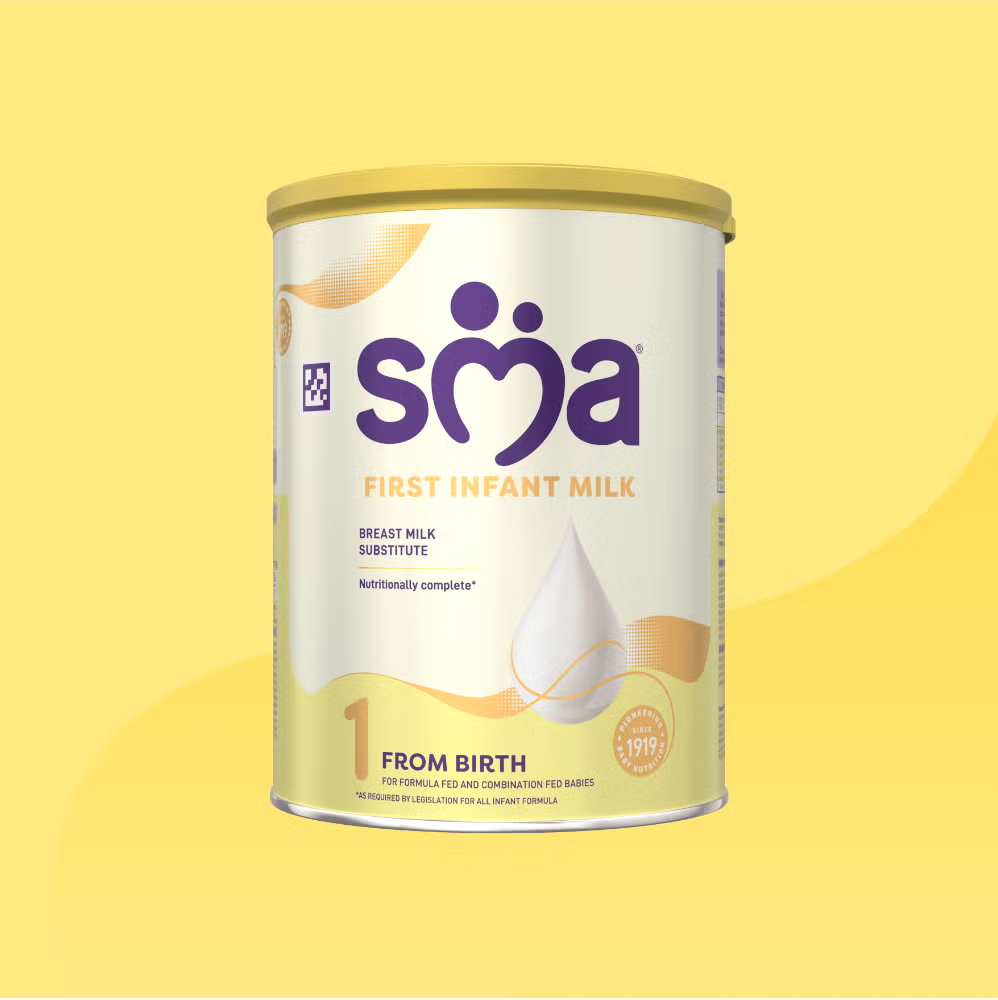
Certain batches of Nestlé infant milk formula have been recalled worldwide as a precaution after the company identified a potential toxin risk, prompting parents to check products carefully.
Which Specific Formulas and Countries Are Impacted by the Recall
The recall targets popular Nestlé brands like SMA in the UK and Ireland, Guigoz and Nidal in France, Beba and Alfamino in Germany, along with similar infant formulas distributed across Europe. Confirmed affected regions include Austria, Denmark, Italy, Sweden, and beyond, with warnings that some batches might have reached other markets through international sales. Parents can verify batch numbers on official sites, such as Nestlé's regional webpages or government food safety portals, typically printed on the bottom of powder tins or sides of ready-to-feed containers, to determine if their stock is involved.
The Serious Health Risks Posed by This Toxin to Infants
Cereulide can trigger swift symptoms of food poisoning, such as intense vomiting, persistent nausea, and uncomfortable stomach cramps, often appearing within hours of consumption. For infants, these effects hit harder due to their developing immune systems, potentially leading to dehydration or more severe complications if not addressed promptly. While no illnesses have been linked to these batches yet, experts advise against any use, noting that early intervention remains key to avoiding unnecessary distress for families already navigating the challenges of newborn care.
Nestlé's Past Recalls and What This Means for Consumer Trust
This isn't the first time Nestlé has faced scrutiny over formula safety, with previous incidents including a 2022 recall in the US for potential bacterial contamination in products like Similac, though that involved a different supplier. Such patterns raise questions about supply chain oversight in the industry, prompting calls for stricter regulations to prevent repeats. Today's development, however, underscores Nestlé's commitment to transparency, as they collaborate with authorities worldwide, offering refunds and apologies to rebuild confidence amid growing parental vigilance.
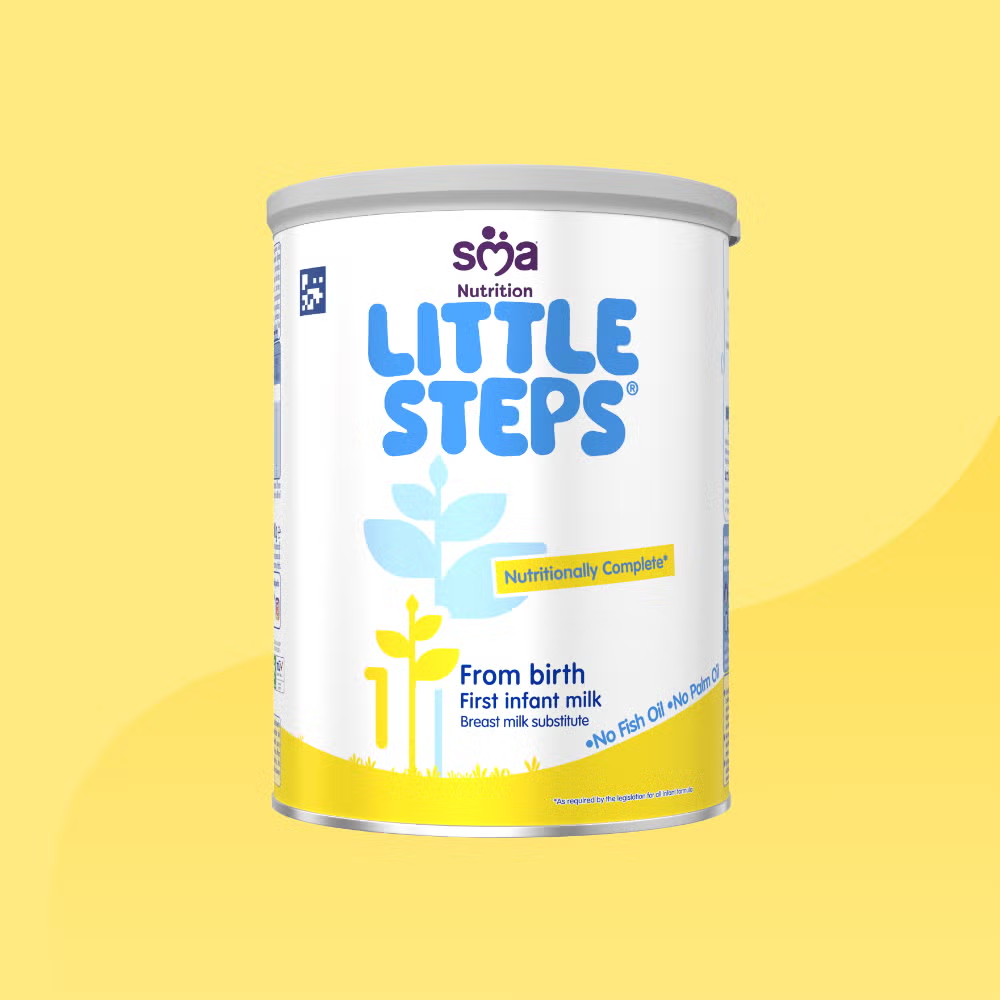
The Nestlé Little Steps formula tin is among products recalled worldwide after the company identified a potential toxin risk, with parents urged to check batch numbers carefully.
Essential Steps Parents Must Take Amid This Urgent Recall
Families should start by cross-checking batch codes against listed recalls on trusted sources, then safely dispose of any matching products without feeding them to children under any conditions. If symptoms like unusual fussiness or digestive upset emerge after recent use, contact a healthcare provider or emergency line promptly, while exploring safe alternative formulas recommended by pediatricians to maintain nutrition without interruption. Nestlé encourages returns for full compensation, aiming to ease the burden on worried caregivers during this unsettling time.
Top Concerns Surfacing About the Nestlé Formula Recall
How Did the Toxin End Up in Nestlé's Baby Formula Supply?
Investigations point to a contaminated ingredient from an external supplier, which slipped through initial quality checks despite routine protocols in place at Nestlé's facilities. This highlights vulnerabilities in global food chains, where even major companies rely on third parties, and it has sparked discussions on enhancing traceability measures to catch issues earlier. Parents can stay informed by following updates from food safety agencies, which are now reviewing supplier practices to prevent similar oversights in the future, ultimately aiming for safer products across the board.
Are There Safe Alternatives to the Recalled Nestlé Formulas Available?
Yes, several reputable brands like Aptamil, Cow & Gate, or Enfamil offer comparable infant formulas that meet nutritional standards, and consulting a doctor ensures the switch suits your baby's specific needs, such as allergies or dietary requirements. Stocking up on vetted options from pharmacies or trusted retailers provides peace of mind, while breastfeeding support groups can guide those considering mixed feeding approaches during this disruption, helping maintain consistent care without compromising health.
What Long-Term Changes Might This Recall Bring to Baby Formula Regulations?
This incident could accelerate demands for tougher EU and UK guidelines on bacterial testing in infant nutrition, building on existing frameworks to mandate more frequent audits of suppliers and ingredients. Advocacy groups are already pushing for transparency reforms, which might include real-time reporting of potential risks, empowering consumers with better information and fostering industry-wide improvements that prioritize infant safety over production speeds in the years ahead.