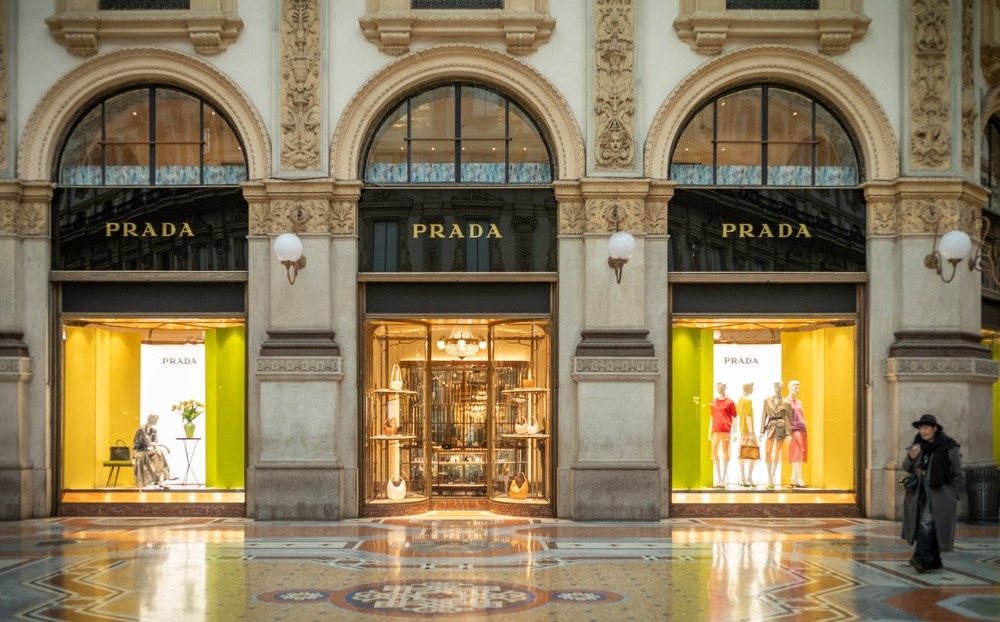
In the heart of Milan's fashion district, Prada has sealed a transformative deal by acquiring Versace for $1.38 billion, a move that closed just yesterday on December 2, 2025. This acquisition, far below the $2 billion Capri Holdings paid in 2018, sends ripples through the luxury world and positions Prada as a formidable Italian powerhouse alongside its Miu Miu line. Fans and insiders alike buzz with excitement and uncertainty, as two legendary houses blend their legacies in ways that could redefine elegance and excess.
The announcement came swiftly after months of speculation, catching even seasoned observers off guard with its discounted price tag. Prada's CEO Andrea Guerra described the integration as a "long journey requiring disciplined execution," echoing the careful optimism that has defined the brand's recent resurgence. For Versace, long synonymous with bold prints and celebrity glamour, this shift marks a pivotal chapter in its storied history.
A Steal in a Stagnant Market—or a Gamble on Glory?
Capri Holdings faced mounting pressures, including sluggish sales across Versace, Michael Kors, and Jimmy Choo, compounded by rising debt loads amid economic headwinds. Versace's pivot under Capri toward minimalist designs and steeper price hikes alienated core customers who craved its signature opulence, leading to a noticeable dip in momentum. Selling now at this valuation feels like a pragmatic exit, allowing Capri to offload burdens and refocus.
Prada, however, views this as prime territory for revival. According to analysis reviewed by Finance Monthly, the deal aligns with broader trends in luxury consolidation, where strategic buys like this one bolster portfolios against giants such as LVMH and Kering. It's a calculated risk, one that taps into Versace's enduring allure while leveraging Prada's operational expertise to unlock hidden value.
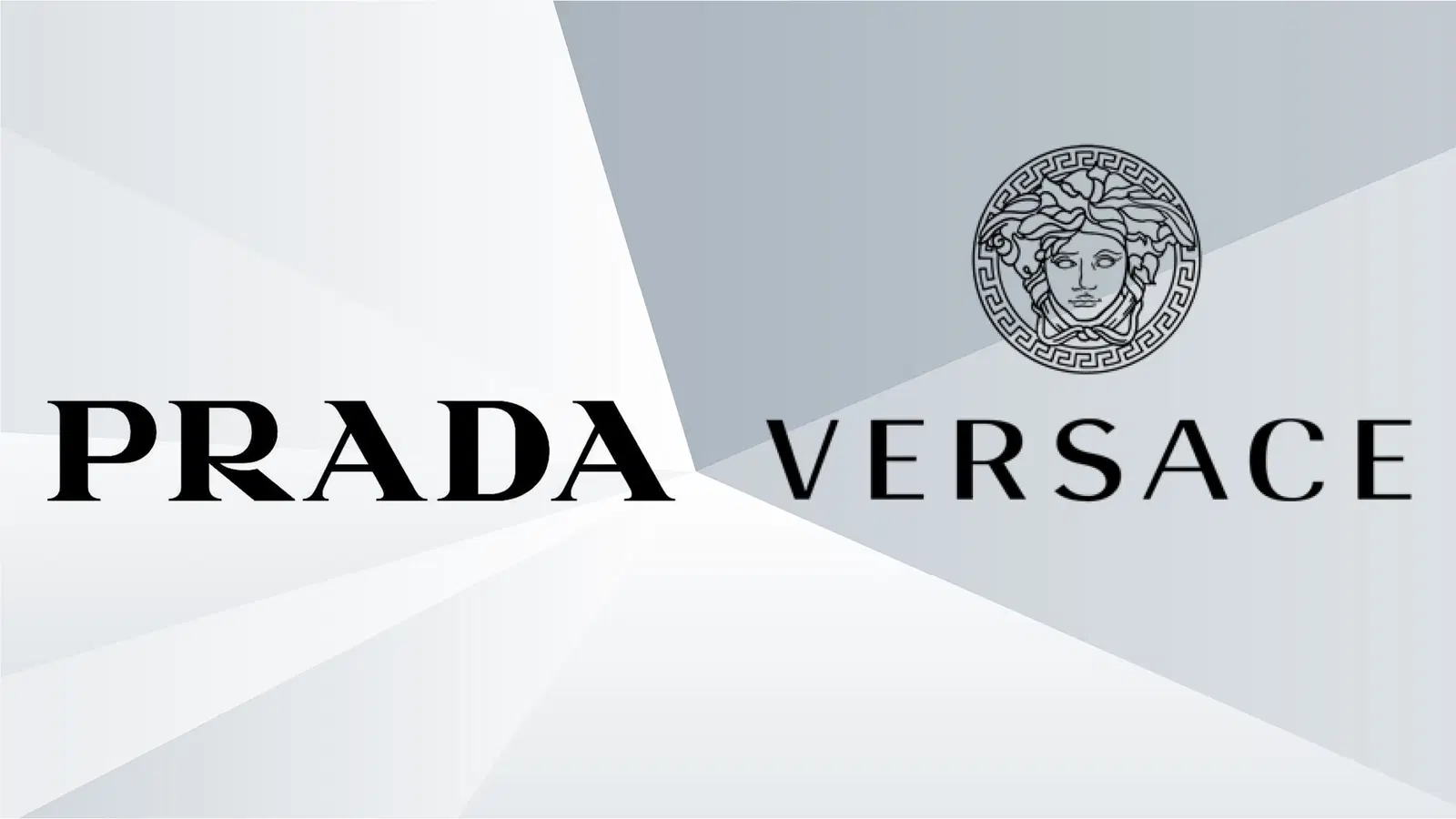
The Prada and Versace logos now sit under one roof — a symbolic pairing that marks a new era for Italian luxury following Prada’s bold takeover.
Prada's Vision: Reviving a Rival with Precision and Passion
Prada's pursuit stems from a clear strategy to fortify its global stance in the cutthroat luxury arena. Versace brings instant cachet, from its Medusa emblem to its red-carpet dominance, elements that Prada can amplify through superior retail networks and innovative supply chains. Experts project a 20 to 30 percent revenue uplift for Versace over the next five years, driven by refreshed collections and targeted expansions in Asia-Pacific and the Middle East.
Erwan Rambourg, an analyst at HSBC, captures the nuance perfectly in his recent assessment. "They should reestablish Versace as a premium brand, rather than one dependent on outlet malls, which was always the risk of being run by Capri," Rambourg noted. "But getting out of outlets isn’t going to be good initially for sales or margins. The next 12 months will be rough." His words highlight the emotional weight of this transition, blending pragmatic caution with hope for a bolder, more authentic Versace under Prada's steady hand.
This isn't mere expansion, it's a bid to harmonize Prada's understated sophistication with Versace's vibrant drama, creating a portfolio that appeals to diverse tastes and generations.
Safeguarding Versace's Heart Amid Change
Donatella Versace's departure in March 2025, after 27 years steering the brand through triumph and tragedy, adds a deeply personal layer to the story. She inherited the helm following Gianni Versace's tragic death in 1997, infusing the house with resilience and flair that captivated the world. Her legacy, from supermodel runways to iconic 90s sensuality, lingers like a favorite melody you can't quite forget.
Now, Dario Vitale, Prada's former Miu Miu design director, steps in with fresh energy. His vision promises a Versace that honors its roots while speaking to modern desires, backed by Prada's ateliers and resources. It's bittersweet, watching a family icon evolve, yet there's quiet thrill in imagining how Vitale might blend Versace's theatrical soul with Prada's meticulous craft. For loyalists, this evolution stirs a mix of protectiveness and curiosity, wondering if the magic will endure or transform into something even more captivating.
The Human Side: Nostalgia Meets New Ambition
Versace has always transcended fabric and stitches, embodying drama, rebirth, and unfiltered glamour that touched lives beyond the runway. This sale evokes a tender ache for many, signaling the close of an independent era rooted in family lore and Milanese fire. Yet it also sparks optimism, as Prada's disciplined approach could nurture Versace back to its throne, fostering a unified Italian force in luxury.
In conversations with fashion enthusiasts this week, the sentiment runs warm and reflective. One longtime admirer shared how Versace's boldness once empowered her during uncertain times, a reminder that true icons evolve without losing their spark. Prada's acquisition feels like a respectful handoff, one that honors the past while boldly charting ahead.
Crunching the Numbers: Profits on the Horizon
Analysts forecast robust returns if Prada executes flawlessly. Versace's revenue could climb 20 to 30 percent in five years through revitalized designs, optimized retail, and a return to ornate signatures that fans adore. Leather goods and accessories stand to shine brightest, with Prada's supply chain efficiencies boosting margins across the board.
The group-wide profit boost might reach $500 million to $850 million annually once stabilization hits, particularly with accelerated growth in high-potential regions. These projections underscore the deal's allure, turning a discounted entry into a high-yield powerhouse play. It's the kind of forward-thinking move that keeps luxury's competitive edge sharp.
Capri's Relief: Shedding Weight for a Fresher Start
For Capri Holdings, parting with Versace brings immediate financial breathing room. CEO John D. Idol outlined plans to deploy proceeds toward debt reduction, stabilizing a conglomerate strained by inconsistent performances and market shifts. The vision of an American luxury titan never fully crystallized, leaving brands like Michael Kors and Jimmy Choo in need of recalibration.
This divestiture, while poignant, clears the path for targeted reinvention, allowing Capri to confront challenges head-on without Versace's complexities.
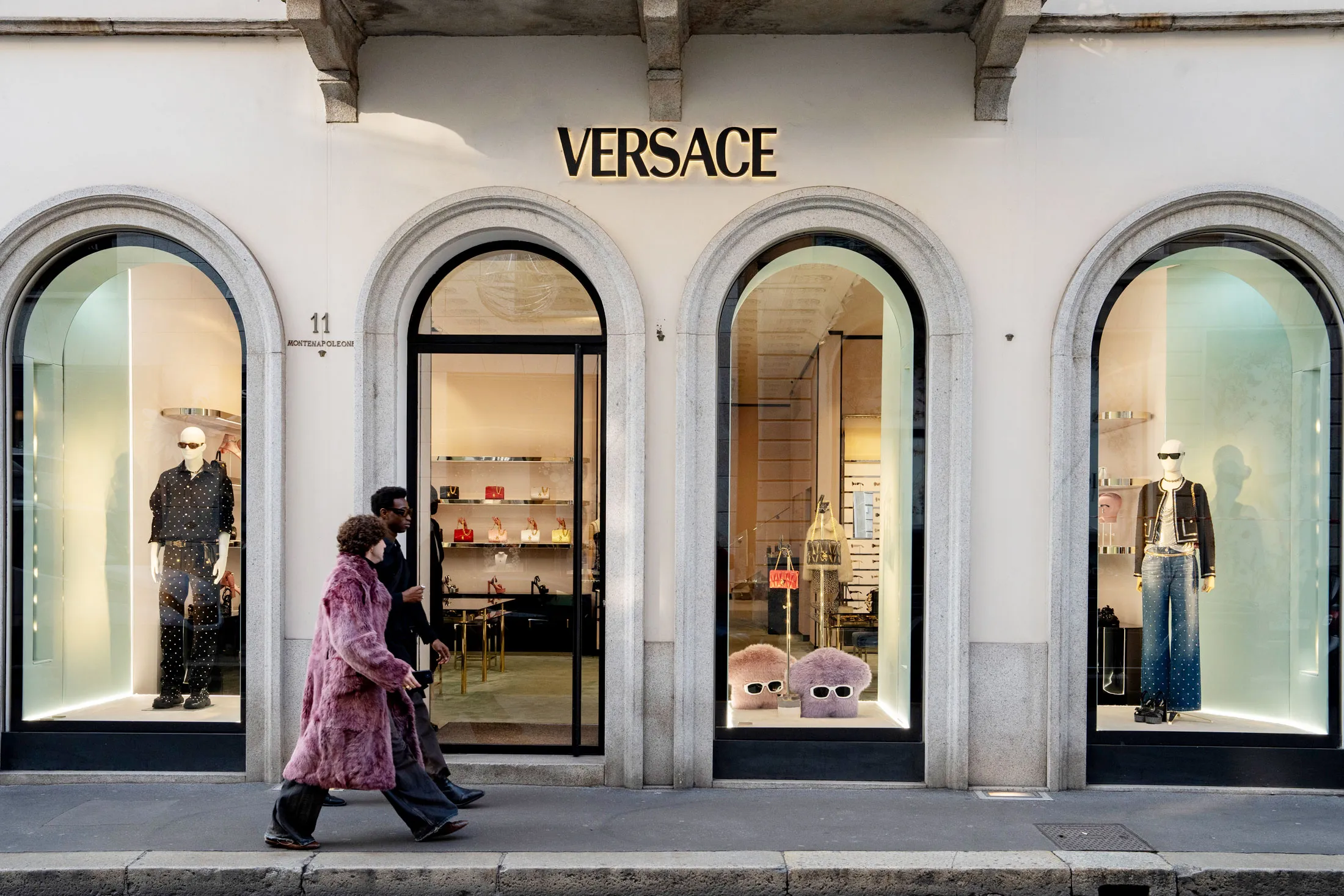
The iconic Versace storefront — once the emblem of standalone glamour — now prepares for reinvention as Prada ushers the house into its next era.
The Path Forward: Patience and Promise in Play
Guerra's warning rings true, the road to synergy demands time, creativity, and resolve. Prada's track record in blending precision with artistry offers reassurance, potentially crafting one of the decade's landmark mergers. As Italian luxury unites under shared ambition, this deal whispers of greater triumphs, where heritage fuels innovation and global dreams take flight.
Imagine the collections ahead, where Prada's quiet poise dances with Versace's fiery pulse, captivating a new era of style lovers. It's a narrative worth watching, one that could etch Prada's name deeper into fashion's grand tapestry.
Inside the Chatter: What Fashion Fans Want to Know
Will Versace Lose Its Edgy Identity Under Prada's Watch?
Many worry that Versace's signature maximalism might soften in Prada's more restrained embrace, but early signs suggest otherwise. Dario Vitale's appointment hints at a balanced evolution, preserving the Medusa's fierce gaze while infusing contemporary relevance. Prada's commitment to brand autonomy, coupled with shared resources for innovation, positions Versace to thrive authentically. This integration could actually amplify its rebellious spirit, reaching wider audiences through smarter global distribution and targeted marketing. Over time, expect collections that honor Donatella's bold legacy while adapting to today's diverse tastes, ensuring the house remains a cultural force rather than a diluted echo.
How Does This Shake Up the Luxury Power Rankings?
Prada's expanded arsenal catapults it closer to LVMH and Kering, creating a trio of Italian-led contenders in the $400 billion luxury market. With Versace's star power added to Miu Miu's youth appeal and Prada's core elegance, the group gains leverage in key categories like ready-to-wear and accessories. This move diversifies revenue streams, mitigates regional risks, and strengthens bargaining with suppliers. For consumers, it means more exciting crossovers and elevated experiences at stores worldwide. Ultimately, it fosters healthier competition, pushing the industry toward fresher ideas and sustainable growth that benefits everyone from designers to shoppers.
Is $1.38 Billion a Smart Price for Prada's Ambitions?
At first glance, the tag seems like a windfall compared to Capri's 2018 outlay, reflecting Versace's recent struggles yet overlooking its latent potential. Analysts like those at HSBC peg the valuation as attractive, given projections for double-digit growth post-revamp. Prada's debt-financed approach, backed by strong cash flows, minimizes upfront strain while promising outsized returns through synergies. For a brand with timeless icons and celebrity pull, this price unlocks equity value that could multiply quickly. It's a savvy bet on revival, blending financial prudence with visionary flair to secure Prada's edge in an ever-evolving luxury landscape.