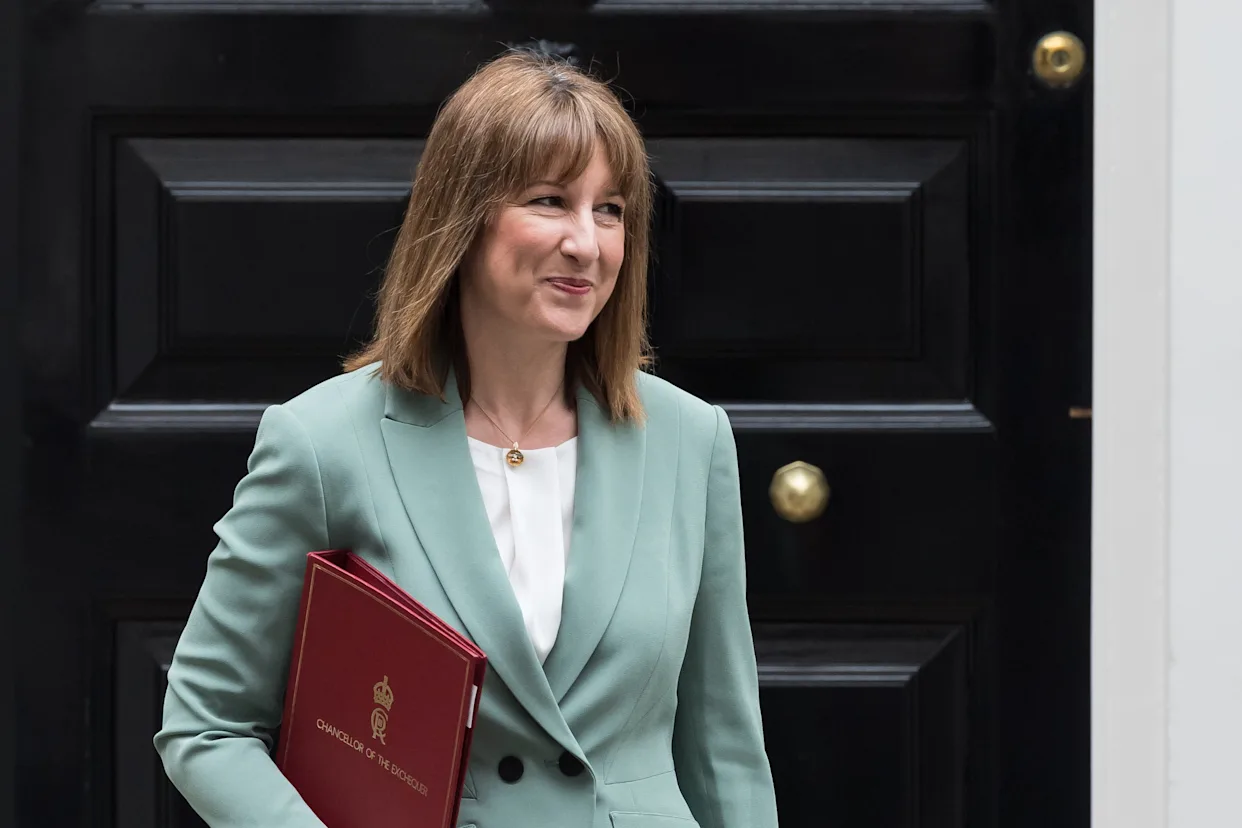
Fresh off Prime Minister Keir Starmer's staunch defense in his speech this morning, Chancellor Rachel Reeves doubled down on her stance against accusations of deception over the UK's public finances. The row, which erupted last week after her Autumn Budget, shows no signs of cooling as opposition voices demand investigations and even her resignation. Families across the country watch closely, wondering if these clashes will steady their budgets or spark more uncertainty in an already shaky economy.
Reeves faced the heat on BBC One's Sunday with Laura Kuenssberg, where she pushed back firmly against claims that her pre-Budget warnings painted too grim a picture. She described her approach as a necessary shield against economic storms, one that prioritizes hard-working households over short-term political games. The emotional weight hit home when she spoke of lifting half a million children out of poverty through targeted welfare boosts, a move that resonates deeply with parents stretched thin by rising costs.
This isn't just Westminster drama, it's a live wire touching everyday lives from London flats to northern factories. As global markets jitter and inflation lingers, Reeves' choices could mean the difference between affordable bills and sleepless nights over the family finances.
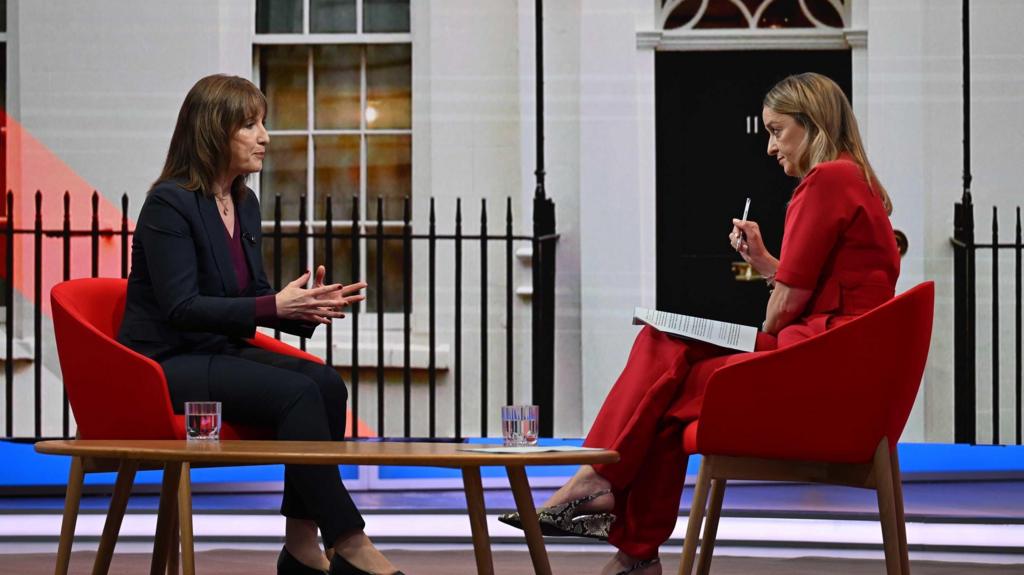
Rachel Reeves faces tough questions from Laura Kuenssberg on BBC One as she defends her Budget decisions, emphasizing fiscal responsibility and the financial strategy behind her economic plans.
The Latest Twist in the Budget Storm
Just hours ago, Starmer stood before the nation and declared he was "proud" of the Budget, framing it as a bold step to fix years of Conservative mismanagement. He rallied behind Reeves, insisting her transparency built trust, not broke it. Yet the backlash rages on, with Reform UK's Nigel Farage labeling her actions a potential "sleaze probe" and Conservative leader Kemi Badenoch renewing calls for her to step down.
The spark traces back to Reeves' 26 November speech, where she unveiled £26 billion in tax hikes aimed at the wealthiest while scrapping the two-child benefit cap. Critics pounced, arguing she hyped a fiscal "black hole" to justify the pain. Paul Johnson, director of the Institute for Fiscal Studies, captured the frustration in recent comments, stating that Reeves "misled the nation with her pre-Budget spin after it was revealed the OBR had uprated expected tax receipts." His words sting, highlighting the raw distrust bubbling among voters who feel caught in the crossfire.
But Reeves counters with passion, her voice steady as she evokes the struggles of families hit by the cost-of-living crisis. She insists every decision stems from a deep commitment to fairness, one that echoes the quiet determination of millions navigating tighter wallets.
Unpacking the Numbers: From Shortfall to Safety Net
At the core of this uproar lie stark figures that tell a story of caution amid chaos. The Office for Budget Responsibility first pegged fiscal headroom, the buffer against debt rules, at £9.9 billion back in spring. By autumn, that shrank to £4.2 billion, a drop that sent alarm bells ringing through Whitehall.
Reeves didn't flinch. She ramped it up to £21.7 billion through smart tax tweaks on online gambling and crackdowns on evasion, creating a robust cushion for shocks like market dips or energy spikes. According to analysis reviewed by Finance Monthly, this move dodges the tiniest surplus any chancellor has ever delivered, offering real breathing room in a £2.6 trillion debt landscape.
These aren't abstract digits, they pulse with human stakes. Welfare expansions now reach deeper, easing the burden on low-income homes where every pound counts toward school uniforms or winter coats. The chancellor's resolve here feels like a quiet victory for those who've weathered too many storms.
The Political Firestorm Heats Up
Opposition fire intensifies daily, with Shadow Chancellor Mel Stride lodging a formal complaint to the Financial Conduct Authority over possible "market abuse" in the lead-up to the Budget. Liberal Democrats and Reform UK pile on, firing parliamentary questions that amplify the ethical clouds hanging over Number 11.
Downing Street digs in, with Starmer's team portraying Reeves as a guardian of stability in turbulent times. The prime minister's fresh pledge today to curb welfare growth underscores the high-wire act, balancing compassion with fiscal grit. It's a tense standoff that leaves the public yearning for clarity, their faith in leaders tested by every heated exchange.
Yet beneath the barbs lies a shared anxiety over the nation's path. Businesses brace for investment ripples, homeowners eye their next remortgage with dread. Reeves' defenders see her as the steady hand steering through fog, her choices a heartfelt bid to protect what matters most.
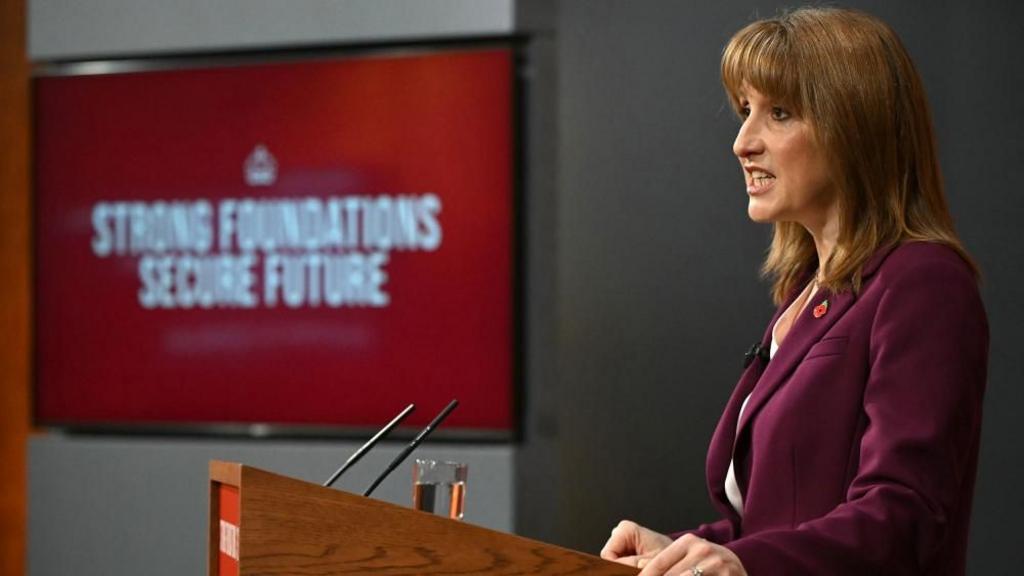
Chancellor Rachel Reeves delivers her pre-Budget speech, outlining the UK’s fiscal challenges.
How Fiscal Headroom Shields Your Mortgage – And Why It Matters Now
Fiscal headroom might sound like accountant shorthand, but it's the unsung hero keeping your home loan payments from spiraling. Simply put, it's the extra cash the government stashes away to meet borrowing limits without slashing services or hiking taxes mid-crisis. Think of it as your household emergency fund, scaled up to national size, ready to absorb hits from recessions or supply chain snarls.
Reeves' push to £21.7 billion isn't flashy, but it packs quiet power for everyday Brits. By beefing up this buffer, she signals to the Bank of England that public finances are solid, nudging interest rates toward stability rather than panic-driven jumps. Lower rates mean smaller mortgage bites from your paycheck, freeing up cash for groceries or kids' activities.
Consider this fresh insight: historical data shows that when headroom dips below £10 billion, as it nearly did this autumn, bond yields – those rates governments pay to borrow – climb by up to 0.5 percentage points within months. For a typical £200,000 mortgage at 4.5 percent, that's an extra £80 monthly, or £960 yearly, vanishing into thin air. Reeves' strategy flips that script, potentially holding rates steady and saving families thousands over a fixed term.
Experts like those at the OBR interpret this as savvy risk management, especially with global trade wars looming. It's not just numbers, it's the peace of mind for a young couple locking in their first home or a retiree stretching a pension. In today's volatile world, this headroom buys time for growth, turning potential heartbreak into manageable hurdles. Your wallet feels it most when leaders get this right.
Beyond the Headlines: What Readers Are Asking About the Reeves Budget
What Exactly Is Fiscal Headroom, and Why Is It Suddenly Everywhere in UK News?
Fiscal headroom refers to the spare borrowing capacity the government holds against its self-imposed debt rules, acting like a financial shock absorber for unexpected downturns. In Reeves' Budget, it jumped from a precarious £4.2 billion to £21.7 billion, a move that critics call overcautious but supporters hail as prudent foresight. This buffer matters because it prevents knee-jerk austerity measures that could slow the economy and hit jobs hard. For consumers, it translates to steadier public services and less risk of emergency tax grabs, fostering the confidence needed for spending and saving. Without it, we'd see more volatility in everything from fuel prices to school funding, leaving households more exposed to global whims.
How Will Rachel Reeves' Tax Rises in the 2025 Budget Affect My Take-Home Pay?
The Budget's £26 billion in tax hikes target higher earners and corporations through measures like employer National Insurance boosts and capital gains tweaks, sparing most middle-income workers direct hits. However, indirect effects ripple out via frozen thresholds, potentially nudging 1.2 million into higher bands over time. On the flip side, welfare expansions like ending the two-child benefit limit could add £1,000 annually to eligible families, offsetting costs for many. Personal finances hinge on your bracket, but the overall aim is progressive relief, easing pressures on lower earners while funding NHS and housing boosts. Track your situation with HMRC tools to spot any shifts coming your way.
Could This Budget Controversy Lead to Lower Mortgage Rates for UK Homeowners Soon?
Yes, the controversy underscores a stabilizing force that could ease mortgage strains if markets buy into the fiscal discipline. With headroom at £21.7 billion, bond yields have dipped slightly, signaling to lenders that UK debt is manageable and reducing upward pressure on base rates. The Bank of England now eyes cuts as inflation cools toward 2 percent, potentially shaving 0.25 points off variable rates by spring 2026. For fixed-rate holders, remortgaging could save £150 monthly on average deals. Yet political noise risks short-term jitters, so monitor OBR updates and shop rates early to lock in gains before any wobbles hit.