Silver is back in the spotlight, and this time, it’s not moving quietly. On Tuesday, the price of silver surged more than 5%, pushing past $80 an ounce and edging dangerously close to its all-time high set in December. For investors, the move feels sudden, while for analysts, it’s been building for months. A rare convergence of China’s export crackdown, escalating geopolitical shocks, and soaring industrial demand has turned silver into one of the most closely watched assets of 2025. The big question now isn’t why silver is rising, it’s whether this is the moment to get in, or the moment to step back.
Why Silver Prices Are Exploding Again
Silver’s rally this week isn’t driven by hype alone, it’s being fuelled by real-world supply constraints and global instability, the kind that historically sends investors scrambling for hard assets. As of Tuesday afternoon, silver was trading around $80.70 an ounce, rebounding sharply after last week’s pullback from record highs above $83. That dip, analysts say, looks increasingly like a pause rather than a reversal. With prices up an astonishing 150% over the past year, the momentum reflects a mix of fear, necessity, and opportunity that few saw coming so intensely.
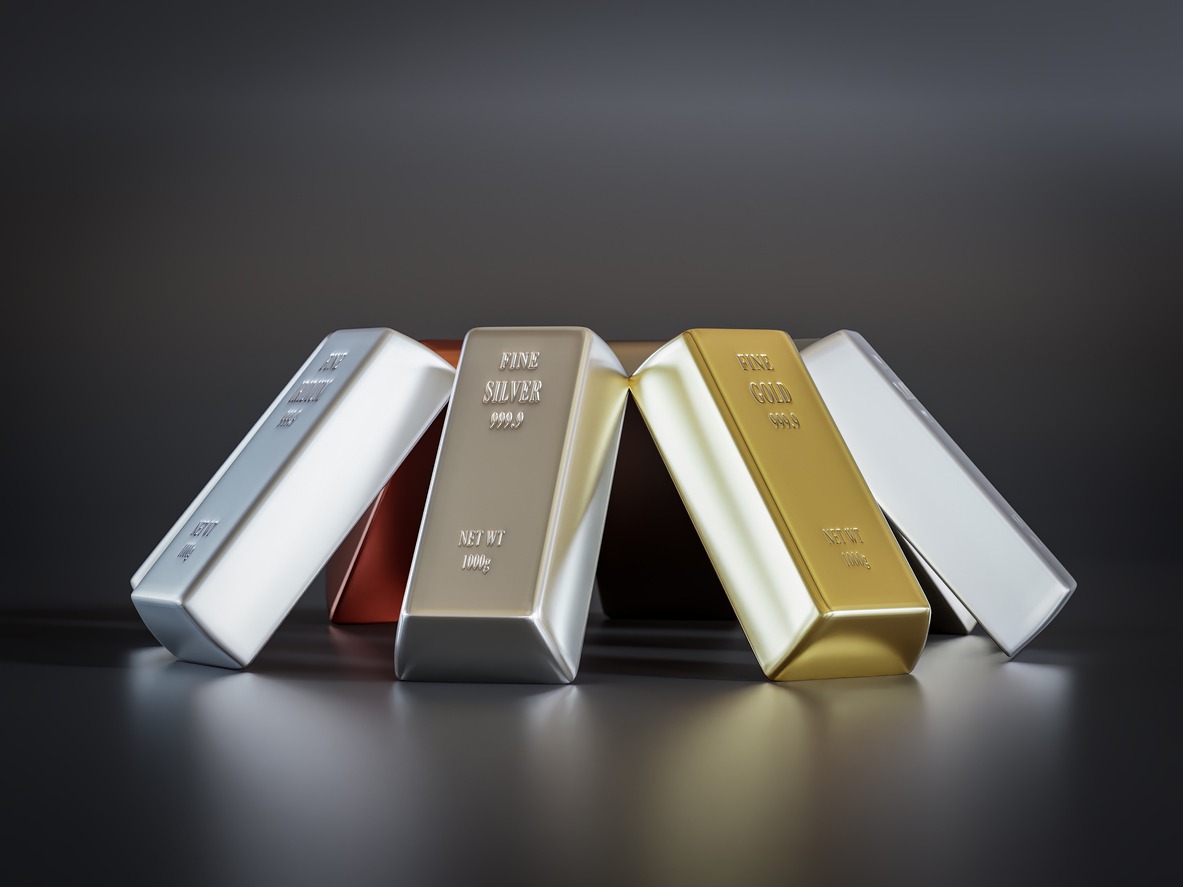
Investors are returning to safer assets in 2026, with bronze, silver, and gold bars representing stability and protection amid economic uncertainty.
China’s Export Crackdown Is Squeezing Supply
China, one of the world’s largest silver producers and refiners, has quietly imposed new export restrictions, limiting overseas shipments to just 44 approved companies starting January 1, 2026. The result has been less silver flowing into global markets, and rising anxiety among manufacturers and investors alike. This looks designed to create a domestic surplus, said commodities strategist Tom Price, warning that global prices could be pushed even higher if supply tightens further. The move has drawn comparisons to China’s earlier restrictions on rare earth metals, which triggered dramatic price spikes and reshaped global supply chains. Elon Musk publicly criticised the decision, warning that silver is needed in many industrial processes, a comment that resonated across the EV and tech sectors.
Silver Is No Longer Just a ‘Safe Haven’
For decades, silver was seen mainly as gold’s volatile cousin, a hedge against inflation and economic uncertainty, but that’s no longer the full picture. Today, silver sits at the crossroads of finance, technology, and geopolitics, with industrial demand surging from India and China as governments pour money into electrification and AI infrastructure. Bloomberg reports that global demand outpaced supply last year, a rare imbalance that continues to ripple through markets. Unlike gold, silver is consumed, once it’s used in electronics, much of it is gone for good. Silver is essential for electric vehicles, AI data centres, solar panels, batteries, and circuit boards, making its role in the modern economy impossible to ignore.
Geopolitics Is Pouring Fuel on the Fire
Silver’s latest jump also coincides with a sharp rise in global uncertainty, including the U.S. capture of Venezuelan leader Nicolás Maduro on January 3, 2026, followed by President Donald Trump’s pledge that America would effectively run Venezuela. This rattled markets and reignited demand for safe-haven assets, with tensions between the U.S. and Europe over Greenland adding to investor unease, as fears the dispute could fracture NATO grow.
When geopolitical risk spikes, silver benefits, said Tim Waterer, chief market analyst at KCM Trade, as investors look for protection, and silver ticks multiple boxes. Gold has climbed more modestly, rising nearly 1% to $4,483, but silver’s sharper moves reflect both fear and industrial necessity. Another key driver is U.S. interest rates, with the Federal Reserve expected to cut rates further in 2026, making non-yielding assets like silver more attractive, weakening the dollar, reducing opportunity costs, and historically pushing precious metals higher, as UBS analyst Giovanni Staunovo noted simply.

Silver eggs in a nest – a visual metaphor for safe-haven investing, highlighting why investors are flocking to silver in 2026 amid market uncertainty.
But Is It Too Late to Invest?
This is where caution enters the conversation, as silver has already risen an astonishing 150% over the past year, the kind of run that inevitably attracts speculative money and sharp pullbacks. Last week’s 7–8% drop, triggered in part by higher margin requirements from CME Group, was a reminder that silver remains volatile.
Reasons investors are still bullish include structural supply constraints, China’s export controls, growing tech and EV demand, ongoing geopolitical instability, and rate cuts likely still ahead. Reasons for caution involve prices near historic highs, increased volatility, potential for policy shifts or profit-taking, and speculative positioning remains elevated. For long-term investors, silver’s fundamentals remain compelling, while for short-term traders, timing matters more than ever.
Silver’s rally isn’t a fluke, it’s the product of real shortages, real demand, and real fear, so whether you should invest now depends on your risk tolerance. Those looking for a hedge against geopolitical chaos and inflation may still see value, even near record levels, while those chasing quick gains should be prepared for sharp swings in both directions. One thing is clear, silver is no longer a sleepy metal, it’s at the centre of a global tug-of-war, and the world is watching what happens next.
Silver Surge Insights: What Readers Are Wondering
How Does Industrial Demand Specifically Impact Silver Prices in 2026?
Industrial demand for silver continues to grow beyond what many expected, with projections showing a potential 3-5% increase in usage for solar panels and EV components alone in 2026, according to the Silver Institute's latest forecasts. This surge stems from global pushes toward renewable energy, where silver's conductivity makes it irreplaceable in photovoltaic cells, potentially widening the supply deficit if mining output doesn't catch up. Investors should note that unlike investment demand, which can fluctuate with market sentiment, industrial needs provide a steady floor for prices, reducing the risk of deep corrections even amid economic slowdowns.
What Role Do Central Banks Play in the Current Silver Market Dynamics?
Central banks have indirectly boosted silver by accumulating gold reserves at record paces in 2025, over 1,000 tonnes according to World Gold Council data, which often spills over to silver as a complementary asset in diversified portfolios. While they don't typically hold large silver positions due to its volatility, their actions weaken fiat currencies and heighten inflation fears, driving institutional interest in precious metals. In 2026, if rate cuts persist, this could amplify silver's appeal as a hedge, especially for emerging market banks facing currency pressures.
How Might Upcoming Policy Changes Affect Silver Investment Returns?
Policy shifts, such as potential U.S. tariffs on imports or further Chinese export tweaks, could elevate silver prices by disrupting supply chains, with analysts estimating a 10-15% upside if tensions escalate, based on historical patterns from rare earth disputes. However, if global growth slows due to these changes, industrial demand might dip temporarily, creating buying opportunities during pullbacks. Long-term holders benefit from silver's dual role as both commodity and safe haven, but monitoring Federal Reserve announcements remains key to timing entries and exits effectively.