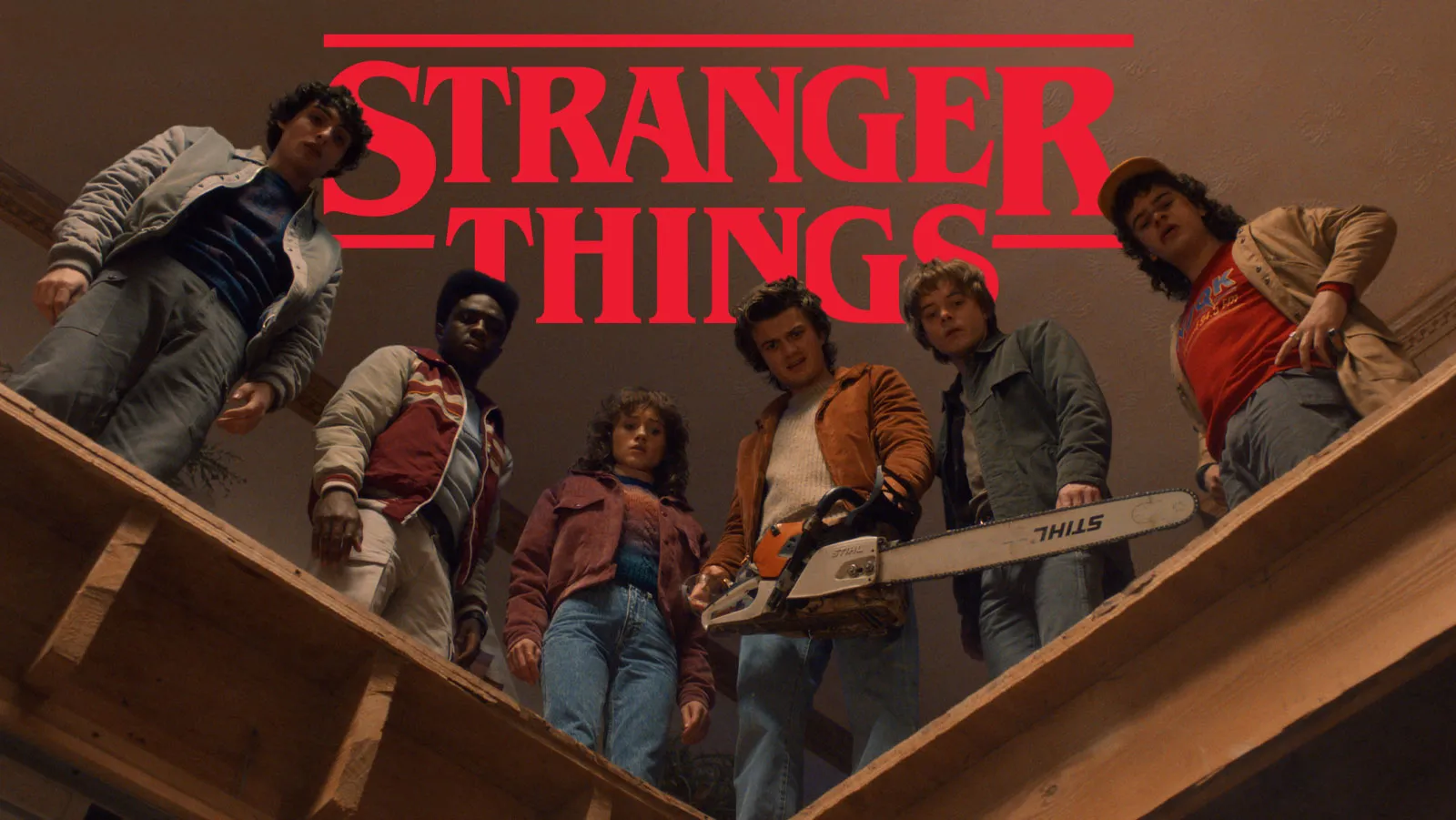
The Stranger Things finale pulled off a bold end-of-year stunt, turning Netflix's sci-fi phenomenon into a box office sensation that no one saw coming. Released on New Year's Eve with a two-day theatrical rollout alongside its streaming debut, the final episode grossed an estimated $20 to $25 million nationwide, proving the Duffer Brothers' flagship series still commands enormous cultural and financial power in 2026.
For the first time in its nine-year history, Stranger Things bridged the gap between streaming and theaters, uniting Netflix with major chains like AMC, Regal, and Cinemark, where roughly 600 theaters participated and AMC hosted more than 200 locations alone. Fans didn't just pay for seats, they purchased food and beverage vouchers that generated an additional $15 million in concessions revenue at AMC, adding to the excitement of the event.
Tickets required a voucher for snacks or drinks, with prices ranging from $11 to $20 depending on the theater chain, and this system allowed audiences to access the final episode while bypassing traditional box office tracking. Independent trackers like EntTelligence reported 1.3 million admissions by the end of New Year's Day, highlighting the massive draw of this hybrid release. Netflix first teased the two-day theatrical release in late 2025, surprising fans who had expected the finale to stream exclusively, and the Duffer Brothers confirmed via social media that 1.1 million vouchers had already sold before the first screening, a number that climbed steadily with walk-up purchases.
Netflix has turned Stranger Things into a Billion Dollar Brand.
A Theatrical Event Like No Other
AMC CEO Adam Aron highlighted the massive turnout in a December tweet, noting that the year ended on a high with Netflix's Stranger Things series finale showing in many AMC theaters for two days only, New Year's Eve and January 1st. Theaters packed out, with many sellouts but some seats still available, and this combination of limited-time theaters and streaming access created a unique sense of urgency. It turned a Netflix series finale into a collectible must-see event that drove long lines, sold-out shows, and viral social media buzz, making it feel like a true cultural milestone. The fall of 1987 in Hawkins, scarred by the opening of the Rifts, brought our heroes together one last time in a 2-hour 30-minute epic that fans couldn't resist experiencing on the big screen.
Breaking Netflix Records
The finale outperformed Netflix's previous theatrical experiments, including the K-Pop Demon Hunters sing-along which grossed $18 million, and analysts now consider it the streamer's most successful limited theatrical release to date. The scale of season 5 remains staggering, with production costs estimated between $400 million and $480 million, meaning each of the eight episodes reportedly cost $50 to $60 million compared to just $6 million per episode in season 1. Even for a series that has dominated streaming for years, the financial and cultural stakes hit higher than ever, especially following season 4's massive success that accumulated over 140 million global views and 1.8 billion hours watched.
Why Fans Flocked to Theaters
Several factors drove the theatrical turnout, starting with limited availability that offered only a two-day window and created an event-like atmosphere full of anticipation. Exclusive perks came into play as well, where fans purchased vouchers for food and drinks, blending a movie-going experience with binge-watching culture in a fresh way. Social momentum built quickly, with selling out theaters fueling FOMO, or fear of missing out, and making seeing the finale in person a cultural statement that spread across platforms. Finally, the streaming plus theater approach blurred the lines between home and cinema viewing, tapping into both markets simultaneously and drawing in diverse audiences eager for the shared thrill.

Millie Bobby Brown and David Harbour share a lighthearted moment on the red carpet, leaving fans confused after reports of past on-set disputes.
The Global and Cultural Impact
Since debuting in 2016, Stranger Things has become one of Netflix's most-watched series, and by combining a theatrical rollout with streaming, Netflix demonstrated a new hybrid model for content distribution that could redefine how streaming platforms leverage big finales in the future. Beyond dollars and admissions, the event positioned the Duffer Brothers at the center of the industry's strategic landscape, especially as they prepare to launch a four-year film deal with Paramount once their Netflix agreement ends in April 2026. This move ensures their influence will extend across streaming, theatrical, and studio productions, building on recent announcements like their Upside Down Pictures projects, including a stage play and animated series that keep the Stranger Things universe alive.
Digging Deeper: Questions Fans Are Asking About the Stranger Things Finale
How Long Is the Stranger Things Season 5 Finale?
The Stranger Things season 5 finale runs for 2 hours and 30 minutes, making it one of the longest episodes in the series and comparable to a feature film in scope and pacing. This extended runtime allowed the Duffer Brothers to wrap up multiple storylines, including the battles in Hawkins and the Upside Down, while giving ample screen time to character arcs for Eleven, Mike, Will, and the rest of the gang. Fans appreciated the depth this provided, as it avoided rushed conclusions and included Easter eggs referencing earlier seasons, enhancing rewatch value for dedicated viewers who have followed the show since its 2016 debut.
What Records Did the Stranger Things Finale Break?
The Stranger Things finale broke several records, including becoming Netflix's highest-grossing limited theatrical release with over $25 million in box office earnings from just two days, surpassing previous efforts like the K-Pop Demon Hunters event. It also set a benchmark for hybrid releases by attracting 1.3 million admissions and generating $15 million in concessions at AMC alone, while the 1.1 million pre-sold vouchers marked a new high for fan engagement in streamer-theater partnerships. Globally, it built on season 4's 1.8 billion viewing hours, solidifying the series as Netflix's third-most popular English-language show and influencing how platforms approach finale events to maximize both revenue and cultural buzz.
What's Next for the Duffer Brothers After Stranger Things?
After wrapping Stranger Things, the Duffer Brothers are set to move to Paramount under a four-year exclusive deal starting in April 2026, where they will develop original films and potentially expand their storytelling beyond sci-fi horror. This shift follows their successful run with Netflix, including spin-offs like the animated series and the West End stage play Stranger Things: The First Shadow, which has already garnered acclaim for its prequel narrative. Industry insiders speculate they might tackle genres like thriller or adventure, drawing from their early influences, and this new chapter could include collaborations with major stars, keeping their creative momentum strong and exciting for fans eager for more innovative projects.
The Bottom Line
Stranger Things: The Finale didn't just conclude a beloved series, it reimagined how streaming hits can dominate theaters, generating millions while setting new industry benchmarks that others will likely follow. The two-day rollout proved that fans are willing to pay for experience, exclusivity, and shared cultural moments, even in a digital-first era where options abound. With Netflix actively pursuing high-profile acquisitions and the Duffer Brothers plotting their next moves, the industry will be watching closely, as Stranger Things has once again proven that its reach, and its impact, extends far beyond the Upside Down itself.