
Britain grapples with a ferocious viral onslaught this December, as a rogue influenza strain tears through communities, echoing the chaos of past pandemics but hitting with fresh fury. Families watch helplessly while children cough through the night, teachers scramble to pivot lessons online, and exhausted doctors battle overflowing wards. The culprit, a drifted version of influenza A(H3N2) nicknamed "superflu" for its relentless spread, has ignited school shutdowns and strained the NHS to its limits, all while a stomach bug ravages passengers on a luxury liner. With Christmas looming, this outbreak feels like a cruel twist, reminding us how quickly everyday life can unravel under the weight of invisible threats.
Schools Sound the Alarm Amid Wave of Absences
Headteachers across the country have taken drastic steps, closing doors and switching to remote learning as hundreds of pupils succumb to the superflu in clusters that overwhelm even the hardiest classrooms. At St Martin’s School in Caerphilly, South Wales, over 250 students and staff reported fever, vomiting, and bone-deep fatigue in a single week, forcing a thorough sanitisation and seven days of virtual classes to stem the tide.
Similar scenes unfold in Cheshire, where Congleton High School and Hartford Manor Primary have halted in-person sessions, urging parents to err on the side of caution with any sniffle or cough. In Leeds, Wigton Moor Primary has nixed group singing during assemblies, a small but poignant sacrifice to curb airborne transmission in shared spaces. These measures, while necessary, leave parents juggling work and worry, as experts note children aged five to 14 serve as the primary vectors, their immune systems caught off guard by the virus's aggressive mutations.
The ripple effects extend beyond the school gates, with communities pulling together in ways that blend frustration and resilience, like neighbourhood WhatsApp groups swapping symptom trackers and soup recipes. Yet beneath the camaraderie lies a quiet anxiety, as this early surge threatens to disrupt family holidays and test the bonds that hold busy households together.
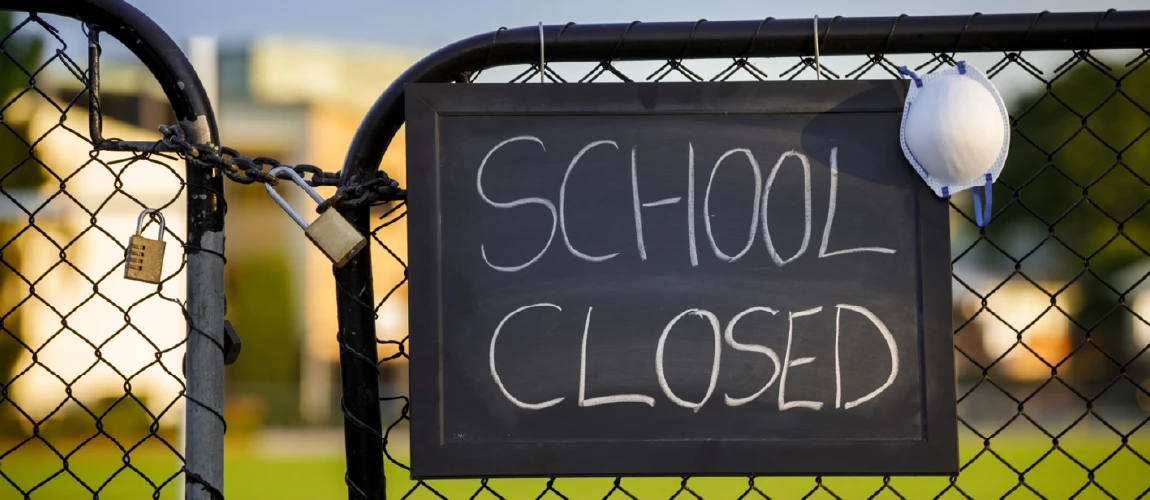
Schools across the UK are shutting down temporarily as the mutant “superflu” and norovirus outbreaks sweep through pupils and staff, forcing closures to curb the spread of illness.
NHS Wards Buckle Under Record Flu Admissions
London's hospitals, long the backbone of Britain's health system, now teeter on the brink as flu admissions triple year-on-year, pushing beds and staff to exhaustion levels not seen since the height of Covid. Latest NHS England data reveals an average of 1,717 patients hospitalised with flu last week alone, a 56 per cent jump from 2024, with projections warning of 5,000 to 8,000 occupied beds in the coming weeks—potentially surpassing the record 5,400 mark.
Sir Jim Mackey, NHS England chief executive, likened the crisis to those dark early pandemic days, his voice carrying the raw edge of someone who's seen too many close calls, especially in the capital where vaccine hesitancy has left vulnerable groups exposed.
From overflowing emergency departments in the East End to strained ICUs in the suburbs, frontline workers describe a relentless grind, where every shift brings more fevers to fight and fewer moments to breathe. Low uptake on flu jabs, hovering below targets in urban areas, compounds the strain, turning what should be a manageable season into a full-scale siege on public health resources.
Unpacking the Mutant H3N2 Strain Driving the Surge
Virologists have pinned the blame on subclade K of influenza A(H3N2), a "drifted" variant that evades immune defences more slyly than its predecessors, spreading like wildfire through households and public transport alike. This superflu variant triggers harsher symptoms—think persistent coughs that linger for weeks, exhaustion that floors even the fittest, and complications hitting the young and elderly hardest—making it a standout threat in this unusually early and intense 2025 season. Professor Nicola Lewis from the World Influenza Centre calls H3 strains inherently "nastier and more impactful," noting we haven't witnessed behaviour this bold in years, a assessment that underscores the virus's evolutionary edge.
Public health officials now plead for masks in crowded spots like Tube carriages and hospital lobbies, their pleas laced with the urgency of lessons learned too late from prior waves. In regions from Lincolnshire to Oxfordshire, mandatory masking returns to key wards, a familiar ritual that evokes both protectiveness and a flicker of déjà vu for those who lived through lockdowns.
Cruise Liner Becomes Floating Hotspot for Norovirus
Compounding the respiratory mayhem, a glittering escape turns nightmare aboard the AIDAdiva, Aida Cruises' 133-day world voyage flagship, where norovirus has sidelined over 100 passengers and crew since late November. The bug, notorious for its diarrhoea and vomiting blitz, exploded after ports in Boston, New York, and Miami, prompting swift isolations and deep cleans to contain the chaos mid-ocean. Health alerts from the US CDC highlight how quickly it jumps in close quarters, turning buffets and ballrooms into no-go zones and leaving vacation dreams in ruins.
For those affected, it's a gut-wrenching reminder of vulnerability at sea, where help feels worlds away, blending physical misery with the sting of disrupted adventures.
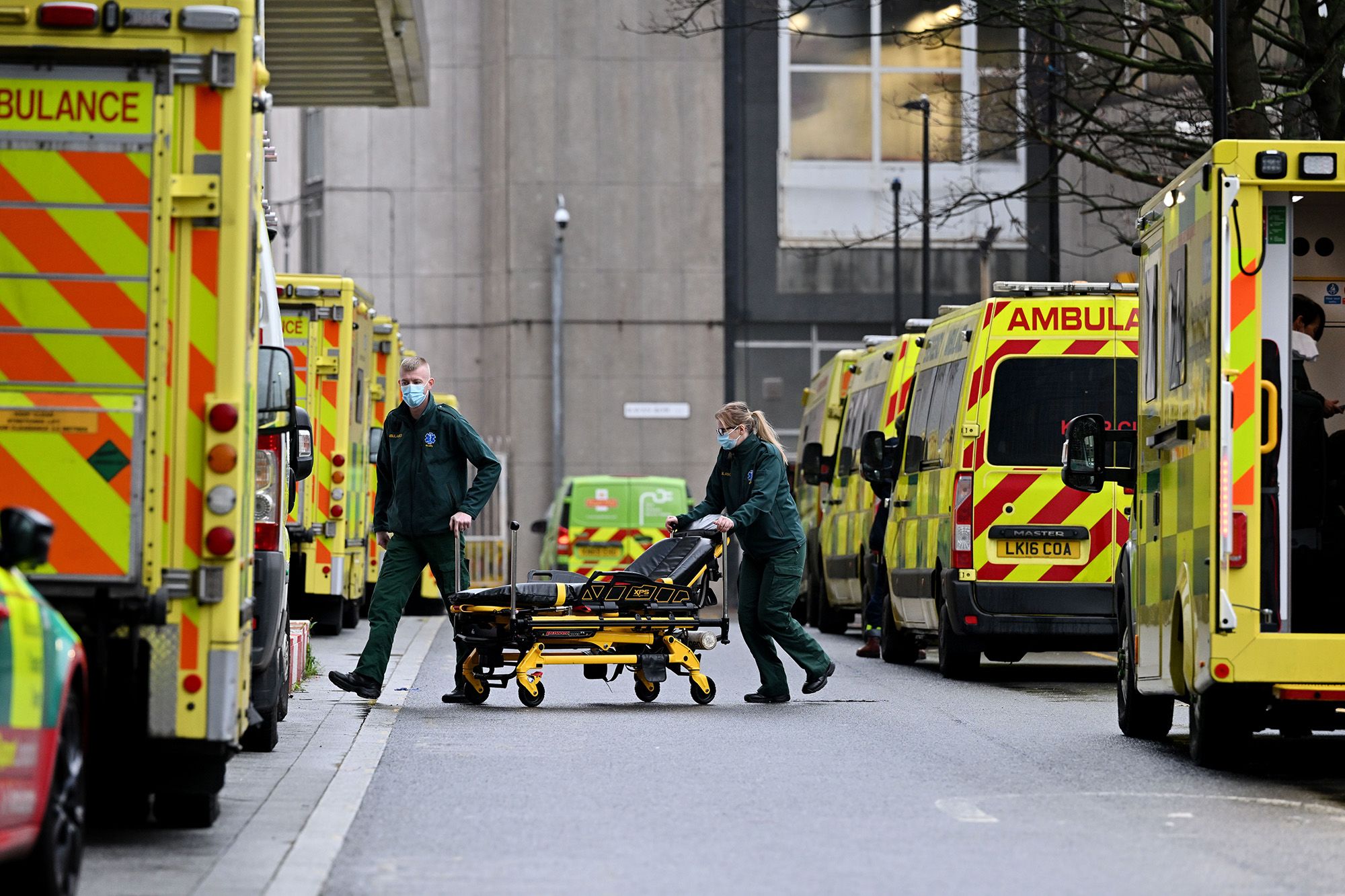
UK hospitals face unprecedented pressure as flu and respiratory virus cases surge, with emergency departments overwhelmed and ambulance queues growing.
The Hidden Economic Sting of This Winter's Viral Onslaught
Beyond the sniffles and shutdowns, this superflu sweep exacts a stealthy toll on Britain's purse strings, with lost school days snowballing into parental leave and productivity dips that echo across sectors. Health economist Dr. M. Zia Sadique, whose research on influenza outbreaks has long illuminated their fiscal shadows, warns that severe waves can slash GDP by up to 4.3 per cent through absenteeism and healthcare overloads—a prospect that hits like a cold wave this season, leaving families out £790 on average for meds, childcare, and wages forgone, while businesses brace for billions in broader fallout. It's a bitter pill, she notes with evident concern for working parents stretched thin, turning a health hiccup into a household heartache that lingers long after the fever breaks.
As the nation hunkers down, this blend of mutant flu and gut bugs serves as a stark wake-up, urging sharper vigilance to safeguard not just bodies, but the livelihoods woven into daily routines.
Digging Deeper: Your Burning Questions on the Superflu Crisis Answered
What Makes This H3N2 Superflu Strain So Much Worse Than Usual?
The H3N2 subclade K drifts antigenically, meaning it mutates just enough to dodge vaccine protections and prior exposures, leading to faster community spread and tougher symptoms like prolonged fatigue and secondary infections. Unlike milder seasonal flus, it disproportionately hammers kids and the over-65s, overwhelming schools and care homes early in the season. UK Health Security Agency surveillance shows cases doubling weekly since October, with experts forecasting peak hospital burdens by mid-December if vaccination rates don't climb. Staying ahead means layering defences—masks, handwashing, and prompt testing—to blunt its edge and protect the most at-risk.
How Can Parents Spot Superflu Early and Keep It from Spreading at Home?
Watch for the telltale combo of sudden fever over 38°C, dry cough, sore throat, and muscle aches that hit like a truck, often without the classic runny nose of common colds. In children, vomiting and diarrhoea can tag along, mimicking norovirus but rooted in respiratory origins. Isolate at the first sign, the NHS advises, using over-the-counter remedies for comfort while pushing fluids to fend off dehydration. Boost immunity with balanced meals and rest, and book that free flu jab if eligible—it's your best shield, cutting severe outcomes by up to 60 per cent according to recent trials. Early action spares siblings and saves trips to teeming GP surgeries.
Will This Outbreak Derail Christmas Plans, and What's the Best Way to Stay Safe?
With flu peaking right as festivities ramp up, gatherings carry higher risks, but smart tweaks like outdoor feasts or staggered guest lists can keep joy alive without inviting illness. The NHS urges vulnerable folks to skip large parties if unvaccinated, opting for virtual toasts instead, while stocking antiviral scripts for high-risk cases. Travel wisely too—check cruise lines for health protocols post-AIDAdiva scares—and lean on rapid tests before family meetups. This season's ferocity stems from low jab uptake, but collective caution could tame it, ensuring holly jolly vibes prevail over hospital runs for everyone involved.