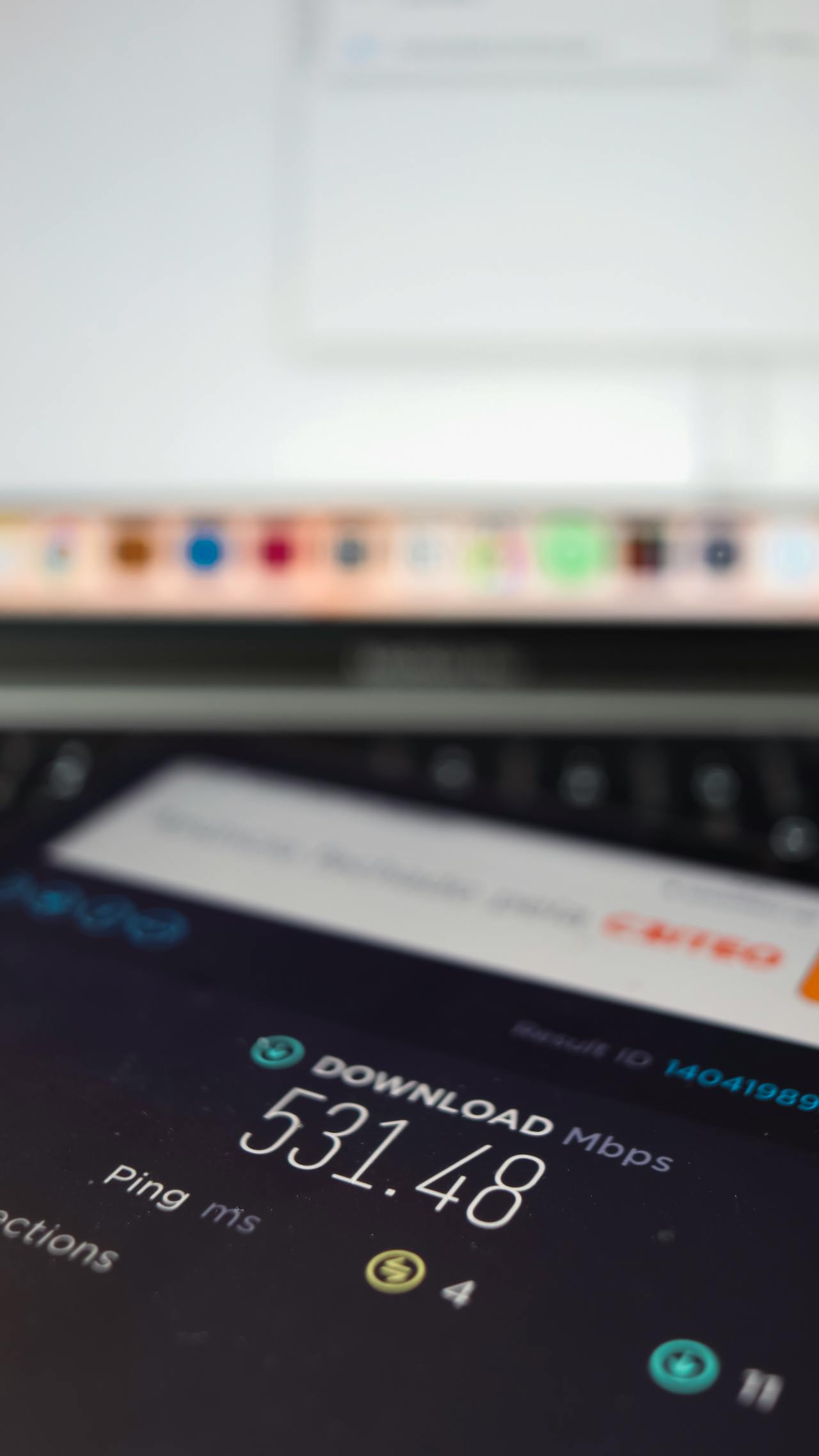
The primary growth strategies for SMEs (small and medium-sized enterprises) are focused on digital experiences, whether it’s interactive apps and business software or innovative AI tools. However, beneath all of these sits a less visible but fundamental factor: connectivity. Here’s why high-speed, reliable internet can no longer be overlooked in 2026.
From utility to strategic financial asset
It wasn’t too long ago that internet connection was treated as one of the office utilities, much like electricity or water. While seen as an essential, the basic availability of internet was enough, with little concerns over speed or reliability. This mindset is rapidly becoming outdated, as today’s SMEs increasingly depend on high-quality connectivity.
Modern businesses use cloud-based ERP systems, real-time collaboration tools, video conferencing, digital customer relationship platforms and more. If connection fails, it’s not just frustrating for the employees - it directly impacts the operational capability of the company. Certain areas of business quite literally stop working, leading to financial losses and unhappy customers.
Furthermore, the recent years (notably the COVID-19 pandemic) have brought significant changes in how businesses hire and operate. Many SMEs now employ remote or hybrid teams, drawing talent from across the country and beyond. In such workplaces, connectivity is the thread that holds the organisation together.
Therefore, high-speed internet is increasingly treated as one of the key strategic financial investments, rather than a fixed overhead.
Full fibre VS copper-based lines
As a result of this shift, the availability of full fibre broadband for startups and SMEs is growing fast. But, how does it compare to the legacy copper-based lines which have been working well for decades?
While the copper systems may appear sufficient on paper, they were never designed to meet the demands of modern, data-intensive workplaces. Copper networks are inherently limited in speed and stability, particularly when handling high-bandwidth activities like large data transfers or video conferencing. As more and more business activities move to the cloud, these limitations are becoming a lot more pronounced. Tasks that should be instantaneous can feel sluggish, creating friction across the organisation.
Not just that, copper-based lines are also more vulnerable to environmental factors. Adverse weather conditions, like heavy rain or storms, can affect internet performance, leading to instability or outages at the wrong moment. In this day and age, customers are expecting seamless digital experiences at all times, and delays or interruptions due to bad weather is simply not a good enough excuse anymore.
Instead of using copper wires and electrical signals, full fibre broadbands transmit data via light. This makes them significantly faster, more stable and far less prone to degradation or interference. Fibre is also highly resilient to environmental conditions, offering the level of consistency that modern businesses require.
Closing the connectivity gap
High-speed internet infrastructure is not the first thing we think about when discussing business growth, yet modern startups and SMEs are entirely reliant on it. In 2026, relying on outdated infrastructure already introduces a number of risks. And, as customer expectations will only continue to rise, the gap between what businesses need and what legacy systems can deliver will only widen.