If you scroll TikTok daily for laughs, viral challenges, or creative inspiration, a major shake-up in the platform’s ownership could change what you see and how your data is handled. On Thursday, TikTok announced a deal that separates its U.S. operations from the global business, a resolution to a long-running standoff between Washington and Beijing.
According to TikTok CEO Shou Zi Chew, this move ensures the app will continue operating in the U.S. while keeping American user data protected. “This agreement allows us to secure U.S. user data and operate independently,” Chew said, highlighting that the change is not just corporate maneuvering—it directly affects the 200 million Americans who use the app every day.
The deal resolves a threat of a U.S. ban that could have gone into effect in January 2025 if TikTok’s Chinese parent company, ByteDance, failed to sell its U.S. operations. The main source of concern for regulators has been the app’s algorithm, which tailors the content each user sees. Now licensed to U.S. owners and trained exclusively on U.S. data, the algorithm’s separation is expected to shift how content is recommended—but exactly how it will change your For You Page is still unfolding.
What TikTok’s U.S. Split Means for Your Feed
The algorithm behind TikTok’s “For You” recommendations has driven the app’s explosive popularity. With the U.S. split, this algorithm will now operate on U.S. data alone, stored in Oracle’s U.S. cloud environment. Experts predict subtle differences: you may notice content recommendations adapting more slowly, trending videos diverging from global patterns, or slight changes in the speed at which new creators go viral.
TikTok’s announcement promises that “the app experience for U.S. users will remain personalized,” but users should anticipate incremental shifts as the algorithm relearns American preferences. Creators might find that content appealing to audiences abroad no longer performs the same domestically. For the casual user, this means your feed could start highlighting local trends more prominently, while viral global sensations may appear differently than before.
The TikTok logo on a mobile phone highlights the newly separated U.S. app and its independent algorithm and data controls.
Meet the New Owners of TikTok in the U.S.
The new U.S. business, TikTok USDS Joint Venture LLC, will be overseen by a seven-member board with a majority of American directors. Adam Presser, formerly of WarnerMedia, has been named CEO. Oracle, Silver Lake, and Emirati investor MGX are the three managing investors, each holding a 15% stake, with ByteDance retaining 19.9%. The remaining 35.1% is owned by other American investors, including Michael Dell’s family office and Susquehanna International Group.
Oracle’s role is particularly significant—they will secure U.S. user data and oversee retraining the algorithm on domestic inputs. This governance structure is designed to alleviate national security concerns, ensuring that decisions about U.S. user information and content recommendations remain under American oversight.
The Political Battle That Shaped TikTok’s Future
TikTok’s U.S. split did not happen in a vacuum. For years, Washington pressed ByteDance to divest, citing national security risks over potential Chinese access to American user data. These tensions began under Trump in 2020, intensified under Biden, and culminated in legislation in 2024 mandating a sale or risk of a ban. A brief blackout of U.S. TikTok users in January last year underscored the stakes.
Trump has publicly weighed in on the deal, calling it a personal victory: he posted that he was “so happy to have helped in saving TikTok.” The deal represents a rare compromise between U.S. regulators and a Chinese tech company, balancing commercial interests with concerns over data privacy, algorithmic control, and national security.
Your Data and Privacy: What’s Different Now
For U.S. users, the biggest question has always been: who has access to my data? TikTok’s restructuring ensures data stays within the U.S., monitored under American privacy standards. ByteDance no longer has direct access to user inputs, which means your likes, watch time, and interactions are isolated from global servers. Oracle will manage cloud security, while the U.S. board oversees algorithmic retraining.
In practical terms, this shift reduces the likelihood that data could be accessed abroad, and reassures regulators and users that TikTok’s growth will not come at the expense of privacy. Still, users should be aware that the app will continue to collect engagement data and browsing patterns for recommendation purposes—nothing changes in that sense, only the geographic and governance control over that data.
The Algorithm That Powers Your Recommendations
TikTok’s algorithm is the secret behind viral videos, personalized trends, and addictive scrolling. Previously trained on global data, it now must recalibrate using only U.S. inputs. This transition could impact how quickly trends emerge, which creators go viral, and even the type of content your For You feed prioritizes.
For creators and marketers, this means adapting strategies to engage a more U.S.-centric audience. For users, the algorithm may still feel familiar, but the subtleties of video sequencing and trending sounds could shift, emphasizing domestic trends over global ones. This recalibration is expected to take weeks to months, meaning your scrolling experience could evolve gradually.
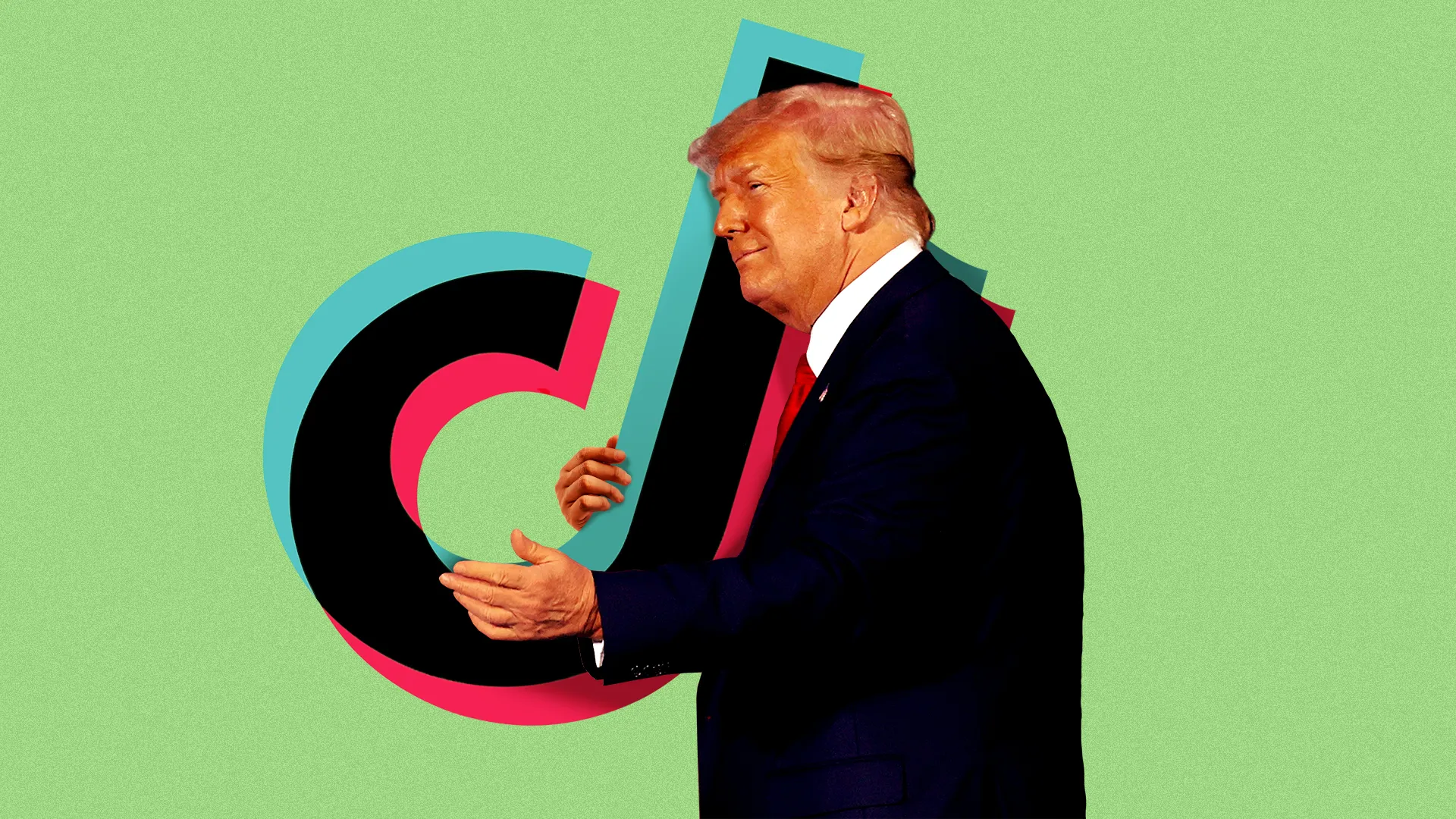
Trump celebrates the TikTok U.S. split, which keeps the app operating in America under new data and algorithm controls.
What Happens Next for Users and Creators
Creators and brands should monitor analytics carefully. Some campaigns that relied on global virality may underperform domestically, while others tapping into local trends could see accelerated reach. U.S. users may notice a more regionally tailored experience, while global TikTok interactions remain separated from the U.S. app.
Regulators will continue to watch the implementation closely, ensuring the agreement meets U.S. privacy and cybersecurity standards. Users can expect incremental app updates that reflect algorithm retraining and enhanced security measures.
Why This Matters for Millions of Americans
The U.S. split is more than corporate restructuring; it reshapes how 200 million Americans interact with one of the world’s most influential social media platforms. It affects what you see, which creators succeed, and how your data is handled. For parents, marketers, and casual users alike, understanding this split clarifies how TikTok’s evolution intersects with privacy, entertainment, and digital culture in 2026.
People Also Ask: What TikTok’s U.S. Split Means for You
Will TikTok’s U.S. app feel different from the global version?
Yes. Because the U.S. algorithm is now trained solely on American data, content recommendations may shift subtly. Users might notice a stronger emphasis on U.S.-based trends, local creators, and region-specific challenges or sounds. Viral global content may appear less frequently, while the For You page becomes more tuned to domestic tastes.
How will this affect TikTok influencers and creators?
Creators targeting U.S. audiences will need to adapt strategies. Campaigns relying on international virality may perform differently, while content aligned with U.S. cultural trends could see higher engagement. Brands may need to adjust influencer partnerships and advertising campaigns to reflect the new algorithm’s focus on U.S. users.
Are U.S. TikTok users’ personal data now safer from international access?
The restructuring places all U.S. user data under American control, secured in Oracle’s cloud environment. This reduces the risk of overseas access while maintaining standard TikTok data collection for content personalization. For users, this means privacy safeguards are stronger, though normal app tracking for recommendations and analytics continues.