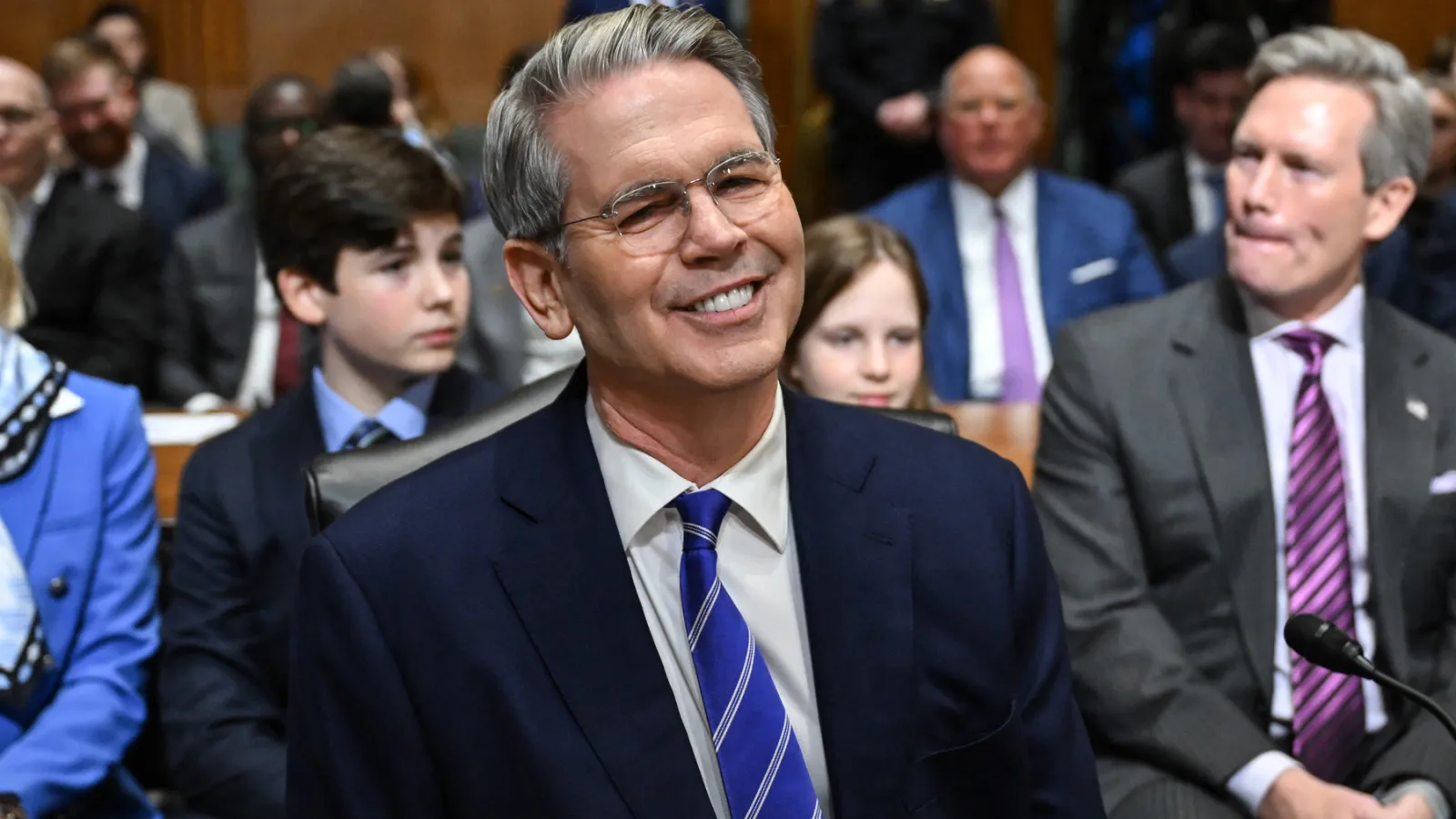
Treasury Secretary Scott Bessent defended President Trump's 2027 budget before the Senate Finance Committee on Wednesday, arguing that tax cuts, deregulation and trade policies are helping fuel economic growth.
The hearing came as many Americans continue to grapple with high borrowing costs, expensive housing and lingering questions about whether recent economic gains are strong enough to ease pressure on household finances.
Bessent pointed to larger tax refunds, millions of newly created Trump Accounts, a shrinking goods trade deficit and rising manufacturing investment as evidence that the White House's economic strategy is working. He told lawmakers that extending the administration's tax cuts helped prevent what he described as a historic tax increase while allowing workers and families to keep more of their earnings.
Supporters argue that lower taxes, fewer regulations and a stronger domestic manufacturing base should create the conditions for faster growth. Even so, the continued push behind all three policies reflects lingering doubts about how durable the expansion may prove. While headline indicators have improved in some areas, many households are still making careful spending decisions as higher living costs continue to absorb a large share of monthly income.
Housing remains one of the clearest examples. Homeownership is still out of reach for many first-time buyers, while elevated interest rates have kept financing costs well above the levels Americans became accustomed to before the inflation surge of recent years. Even households with stable incomes are often delaying major purchases, not because they expect an immediate downturn, but because financial cushions have become more valuable.
Credit card balances have also remained elevated, leaving many consumers less willing to absorb another financial shock. Families may not be pulling back dramatically, but many are becoming more selective about discretionary spending and increasingly focused on protecting their budgets.
That caution is also showing up in corporate decision-making. Businesses have spent several years navigating shifting trade policies, higher labor costs and a more expensive borrowing environment. While investment has remained resilient in some sectors, many executives are still weighing expansion plans carefully, choosing to preserve flexibility rather than make aggressive commitments.
Bessent highlighted administration figures showing that the U.S. goods trade deficit narrowed significantly over the 12 months ending in March and noted recent gains in manufacturing employment. Those numbers support the White House's argument that efforts to encourage domestic production are beginning to generate results. For most families, however, the economy is measured less by government statistics and more by mortgage payments, grocery bills and whether there is money left at the end of the month.
The White House also celebrated its deregulation agenda, with Bessent saying the government eliminated regulations at a ratio of 129-to-1 compared with new rules introduced during 2025. Supporters believe reducing regulatory burdens lowers costs and encourages investment. Critics argue that long-term growth ultimately depends on whether businesses see enough demand to justify expanding payrolls and capacity.
Behind the political arguments over tax cuts is a simpler concern. Policymakers want growth to keep moving while households remain cautious and businesses hesitate to make large financial commitments. Strong economic data can improve sentiment, but spending, hiring and investment decisions are still being shaped by borrowing costs that remain far higher than many Americans became used to over the previous decade.
For many Americans, the economy no longer feels as predictable as it once did. Borrowing remains expensive, major purchases require more calculation, and businesses are still weighing risks carefully before committing new money. Washington may be celebrating stronger growth, but many of the decisions shaping everyday economic life are still being made with caution.