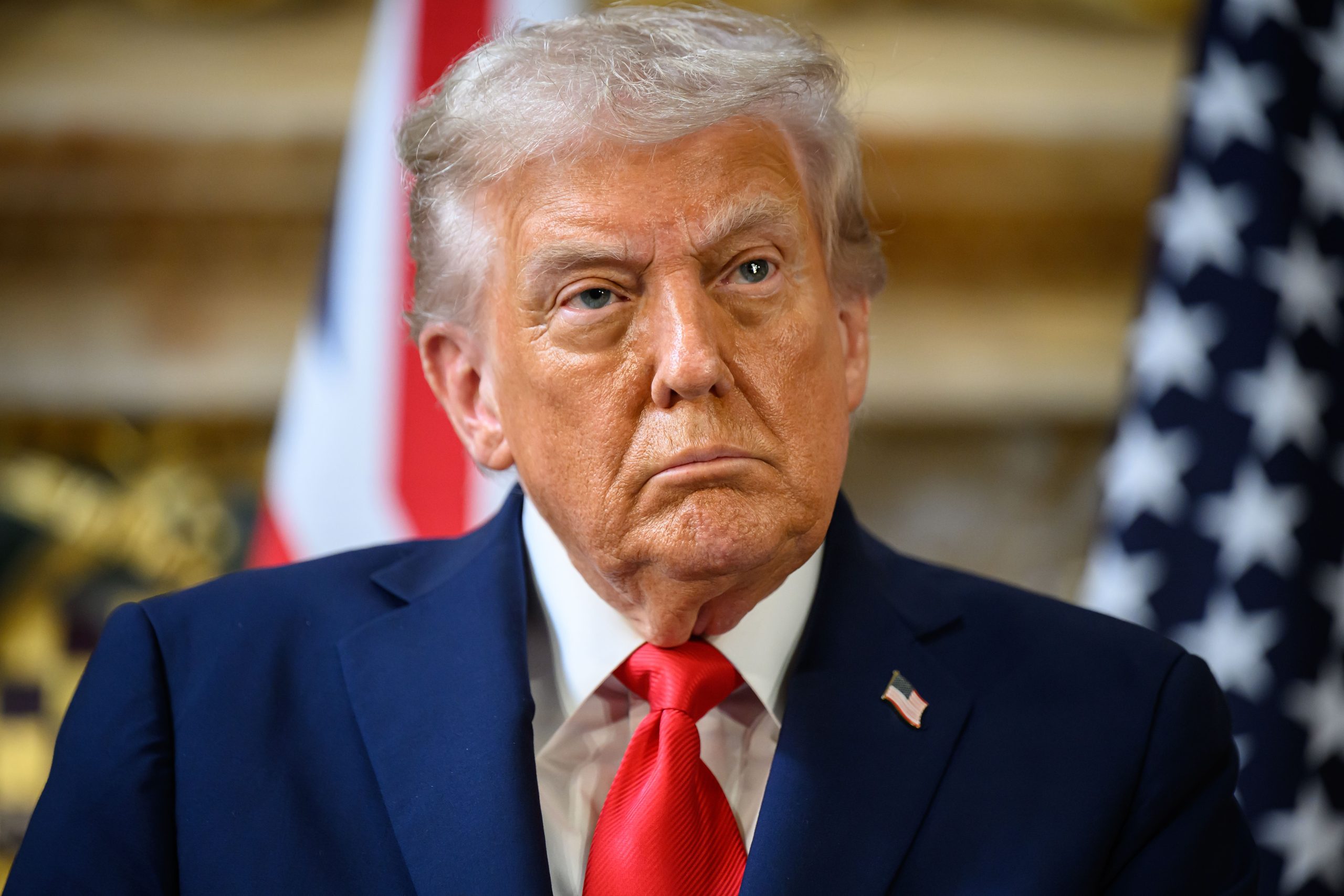
In a bold move that has sent shockwaves through media circles, Donald Trump filed a massive $5 billion defamation lawsuit against the BBC on December 16, 2025, claiming the broadcaster deliberately twisted his words from the January 6, 2021, speech in a Panorama documentary. This legal action, lodged in a Florida court, accuses the British network of editing the footage to falsely suggest he incited violence at the US Capitol, fueling ongoing debates about media ethics and political accountability. With Trump's recent re-election adding fresh urgency, the case highlights tensions between international journalism and US legal reach, drawing attention from both sides of the Atlantic.
What Trump Accuses the BBC Of Doing
Court documents detail how Trump's team believes the BBC maliciously combined separate parts of his speech, creating a misleading narrative that portrayed him as directly urging supporters toward aggressive actions during the Capitol events. The original address included a call to "walk down to the Capitol" and cheer lawmakers, followed much later by the phrase "we fight like hell," yet the documentary merged them into one seamless quote, according to the filing. Trump's lawyers argue this alteration not only distorted his intent but also amplified false claims of incitement, especially as the program aired in the lead-up to the 2024 election, potentially influencing public perception worldwide.
The BBC logo — a symbol of the nation’s public broadcaster now facing a $5 Billion lawsuit from Donald Trump.
BBC's Apology and Firm Defense
While the BBC quickly issued a public apology after the edit came under scrutiny, acknowledging it might have misled viewers about the sequence of Trump's statements, they stopped short of offering any financial settlement. Legal representatives for the broadcaster emphasized a lack of malice, pointed out Trump's electoral success shortly after the airing as evidence of no real harm, and stressed that the content was not officially distributed in the US. This stance has only intensified the conflict, with Trump's camp now pushing to prove the documentary reached American audiences despite restrictions.
Why Florida Is the Chosen Venue
Trump's choice of Florida as the filing location hinges on arguments that the Panorama episode was accessible to residents there through various channels, including rising VPN traffic post-release, the BritBox streaming platform co-owned by the BBC, and possible third-party deals for broader distribution. By establishing this connection, the lawsuit aims to secure US jurisdiction over the UK-based organization, a tactic that could set precedents for how global media handles coverage of American figures. This aspect alone has legal experts debating the boundaries of international defamation claims.
Internal BBC Turmoil Exposed
Adding fuel to Trump's case, recent leaks from within the BBC revealed sharp internal criticism of the editing process, leading to high-profile resignations including Director General Tim Davie and Head of News Deborah Turness in November 2025. These departures underscore what Trump's team describes as admitted editorial lapses, strengthening their narrative of systemic bias. The fallout has rippled through the organization, prompting calls for tighter oversight on political content amid growing external pressures.
Trump's Public Stance and Broader Implications
Trump himself has been vocal about the issue, telling reporters last month that the BBC "changed the words coming out of my mouth" in a clear act of deception, which he views as justification for pursuing not just defamation but also trade practices violations. This $5 billion demand aligns with his history of aggressive litigation against media outlets, such as past suits against CNN and The New York Times, where he sought to challenge perceived inaccuracies and deter future coverage. Beyond the financial stakes, the case probes deeper questions about editing political speeches, the line between context and manipulation, and how US courts might increasingly influence foreign press operations.
Political Echoes in the UK
Across the pond, the lawsuit has stirred reactions from British politicians, with Liberal Democrat leader Sir Ed Davey pressing Prime Minister Keir Starmer to defend the BBC against what he called an "outrageous" threat that could burden license fee payers. While Downing Street remains silent so far, the controversy ties into broader UK discussions on media independence, especially as it intersects with Trump's re-elected status and his ongoing scrutiny of global news networks.
What Lies Ahead in This High-Stakes Battle
As the BBC prepares its formal response, analysts predict a drawn-out legal fight that could redefine media accountability in polarized times. If it advances to trial, the proceedings might expose internal BBC decision-making and test the limits of free speech protections, all while keeping the January 6 events in the spotlight years later. For now, this development keeps the world tuned in, blending politics, law, and journalism in a gripping saga.
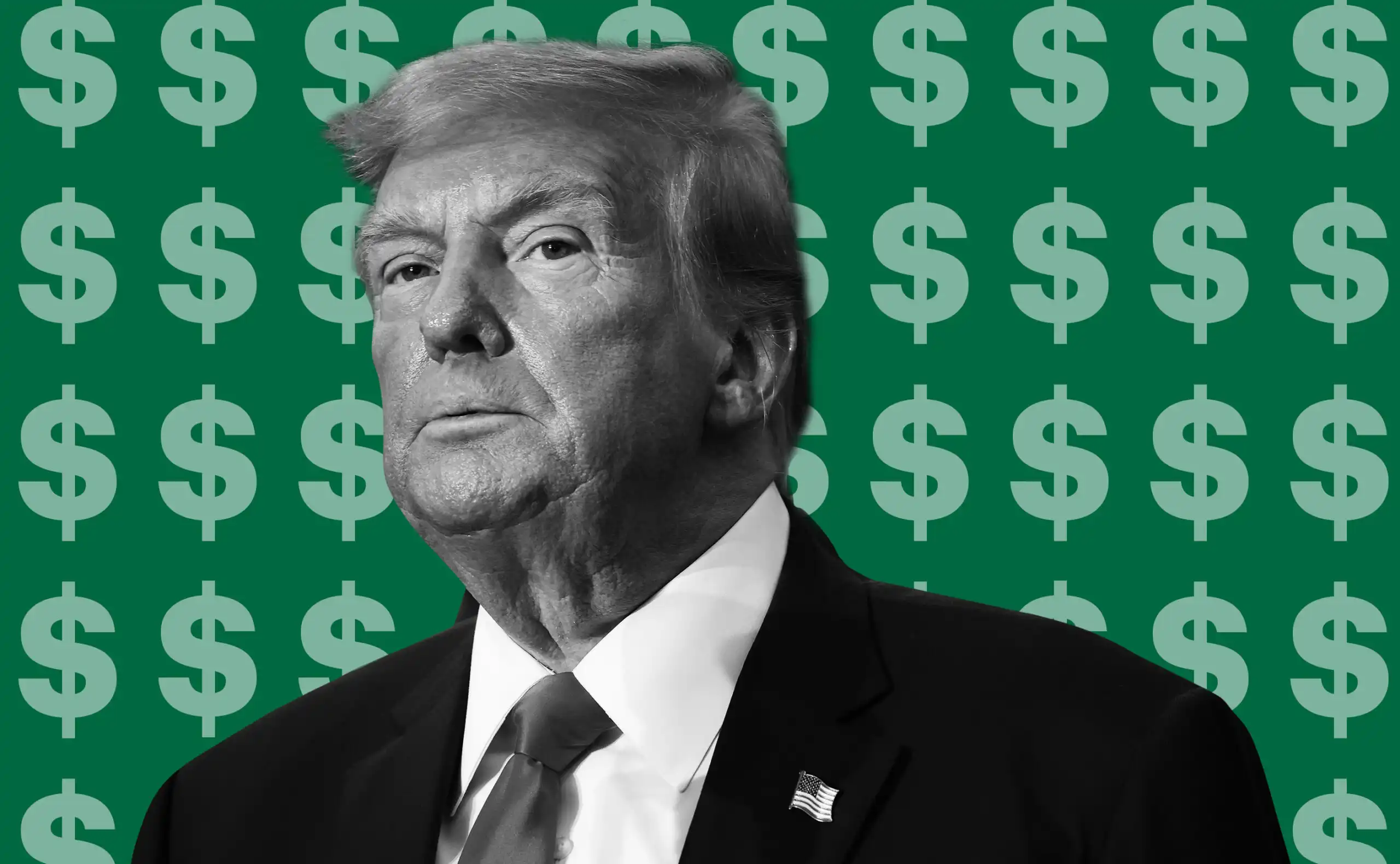
President Donald Trump’s has made millions from lawsuits since taking office.
My Take on Trump's BBC Lawsuit
In my view, this entire $5 billion lawsuit feels massively overblown, even though the BBC clearly made a mistake by stitching together those two separate parts of Trump's January 6 speech in their Panorama documentary. Sure, editing like that can mislead viewers about the exact timing and context, and media outlets should hold themselves to higher standards to avoid any perception of bias, especially in such a charged political story. However, at the end of the day, Trump did utter those words, "we're going to walk down to the Capitol" and "we fight like hell," and when you look at the full speech alongside the events that unfolded that day, it still comes across as a call to aggressive action that contributed to the violence at the Capitol, regardless of how the clips were arranged.
The scale of the damages Trump is seeking strikes me as more about making a spectacle and intimidating the press than addressing genuine harm, particularly since he won re-election not long after the documentary aired, suggesting his reputation weathered the storm just fine. While I get the frustration over media edits that might twist narratives, this case seems to exaggerate the issue, overlooking how Trump's own rhetoric has often been inflammatory and how accountability for that shouldn't be drowned out by legal theatrics. Ultimately, it raises valid points about journalistic integrity, but pursuing billions over an editing error feels like an attempt to rewrite history rather than own the words spoken.
Unpacking Common Queries on Trump's BBC Lawsuit
Has Trump Won Similar Defamation Cases Against Media Before?
Trump has pursued several defamation lawsuits against media entities in recent years, including a notable 2023 settlement with ABC News over disputed election coverage, though many others, like his action against Pulitzer Prize board members, remain unresolved or dismissed on First Amendment grounds. In this BBC case, his team draws parallels to those efforts, arguing the edit's impact mirrors past grievances, but success often hinges on proving actual malice, a high bar under US law that has tripped up similar claims. Experts note that while Trump's re-election bolsters his public image argument, international elements complicate jurisdiction, potentially leading to appeals that extend for years and influence how broadcasters approach US political stories.
Could This Lawsuit Affect BBC's Operations in the US?
If Trump prevails, the precedent could force the BBC and other foreign outlets to rethink content distribution strategies, possibly limiting access to sensitive programs or increasing legal reviews for US-related reporting to avoid similar exposures. Already, the case has prompted internal BBC discussions on geo-blocking enhancements and partnership agreements, like those with BritBox, to minimize risks. Broader effects might include chilled journalism on controversial figures, as networks weigh defamation threats against investigative freedom, ultimately reshaping transatlantic media dynamics in an era of heightened political sensitivity.
How Does This Fit Into Trump's Overall Media Strategy?
This lawsuit extends Trump's long-standing approach of using courts to counter what he perceives as biased coverage, seen in actions against outlets like CBS over edited interviews and social media platforms for content moderation. By targeting the BBC, he amplifies claims of global media distortion, rallying supporters while pressuring organizations financially and reputationally. Analysts suggest it also serves as a post-re-election power play, deterring future scrutiny amid his administration's policy pushes, and could inspire other politicians to adopt similar tactics against international press, altering the landscape of accountability in democratic discourse.