Americans exhausted by rising grocery bills may soon see one of the biggest Biden-era environmental rules rolled back after the Trump administration said the move could save supermarkets billions of dollars and potentially slow the relentless climb in food prices that continues hitting household budgets across the country.
President Donald Trump is expected to announce the changes during a White House event alongside executives from major grocery chains including Kroger and Piggly Wiggly, with the administration arguing that costly environmental regulations tied to refrigeration systems have quietly become another hidden expense pushing prices higher inside American supermarkets.
The rollback targets Biden-era EPA rules covering hydrofluorocarbons, or HFCs, which are commonly used in supermarket freezers, refrigerated trucks, warehouses and commercial cooling systems but have also faced mounting criticism because of their contribution to greenhouse gas emissions and climate change.
Under the proposed changes, supermarkets and other businesses would receive more time before replacing existing cooling systems under the EPA’s 2023 Technology Transitions Rule, while refrigerated transport systems used to move food around the country would also be exempted from newer leak-monitoring requirements introduced last year.
The White House estimates the combined changes could save businesses roughly $2.4 billion overall, including around $800 million for grocery stores alone, with administration officials claiming those savings could eventually help retailers avoid passing even more operating expenses onto consumers already struggling with inflation fatigue.
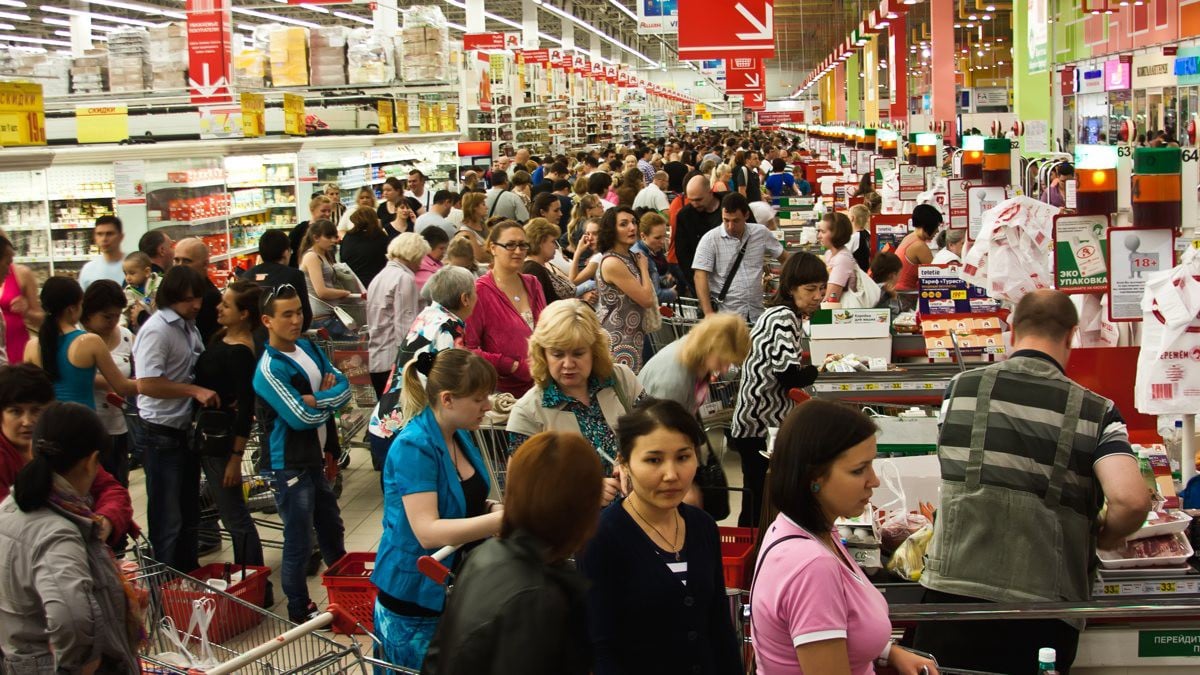
Behind the political fight is a much simpler reality playing out in kitchens and grocery aisles across the country. Families are buying less, switching to cheaper brands and paying closer attention to every supermarket receipt as food prices continue climbing faster than many wages.
Grocery prices rose 2.9% in April compared with a year earlier, while overall inflation climbed to 3.8%, marking the sharpest annual increase since 2023 and adding fresh political pressure on the White House ahead of the midterm election cycle.
At the same time, rising oil prices linked to tensions involving Iran have increased transportation and distribution costs throughout the food industry, leaving supermarkets trying to protect already thin margins without driving away shoppers who are becoming increasingly sensitive to even modest price increases.
For large grocery chains, refrigeration is not a minor utility expense buried somewhere in the background. Cooling systems run nonstop across stores, warehouses and delivery fleets, making refrigeration one of the biggest ongoing operational costs after payroll, particularly for companies managing nationwide supply networks that move frozen and refrigerated products every hour of the day.
Businesses across the grocery and logistics industries had argued the Biden-era timetable would force expensive equipment upgrades during a period when many companies were already facing rising wage bills, higher borrowing costs and weaker consumer confidence.
EPA Administrator Lee Zeldin said the original regulations imposed “costly, unattainable restrictions” that went beyond what federal law required, while administration officials framed the rollback as part of a broader effort to reduce corporate compliance expenses during a difficult economic period for both businesses and consumers.
Environmental groups are expected to strongly oppose the changes and argue the original rules were designed to reduce harmful emissions tied to climate change, setting up another high-profile clash between the Trump administration and environmental advocates over whether immediate economic relief should outweigh longer-term climate goals.
Since returning to office, Trump has aggressively targeted environmental regulations that many business groups claimed became too expensive to maintain during a prolonged stretch of inflation, slowing consumer demand and rising operational strain across multiple sectors of the economy.
For millions of Americans who now walk into supermarkets expecting prices to be higher every single week, the battle over refrigerant regulations is landing less as an environmental debate and more as another test of whether everyday life is becoming permanently more expensive.