
President Donald Trump's latest immigration move hit the headlines yesterday, December 10, 2025, shaking up debates on borders, wealth, and opportunity across the globe. The Gold Card program, now officially live with applications open, lets affluent foreigners hand over $1 million for a fast lane to U.S. residency, complete with vetting and a nod toward citizenship down the road. This isn't just another policy tweak; it's a bold statement on who America welcomes, stirring cheers from business boosters and sharp backlash from those who see it as a gilded gate for the elite.
As someone who's followed immigration shifts for years, I can't help but sense the raw tension in the air today. Families waiting years for green cards through family ties or hard-earned skills watch this unfold, and it tugs at the heartstrings of what the American dream once stood for. Yet, proponents insist it's a smart economic play, funneling cash straight into the treasury while drawing in top-tier talent. With the program's website buzzing already, let's dive into the details of this controversial launch.
Unpacking the Gold Card: A Premium Ticket to Residency
At its core, the Trump Gold Card Visa offers legal permanent residency to qualified wealthy individuals after they pass rigorous background checks and security screenings. Unlike the slog of standard work or family-based green cards, which can drag on for a decade or more, this path promises approval in mere weeks, letting holders live, work, and build lives in the U.S. right away. President Trump touted it during the rollout as "a direct path to citizenship for those who qualify and get vetted," emphasizing its speed and selectivity.
There's a business angle too, where companies can sponsor foreign experts for $2 million each, covering talent retention amid tight labor markets. And whispers of a Platinum version at $5 million hint at extras like tax advantages on foreign income, though details remain fuzzy as of this morning. Business leaders like Commerce Secretary Howard Lutnick have hyped the potential, predicting it could rake in billions by attracting "extraordinary people at the very top" who boost the economy without straining public resources.
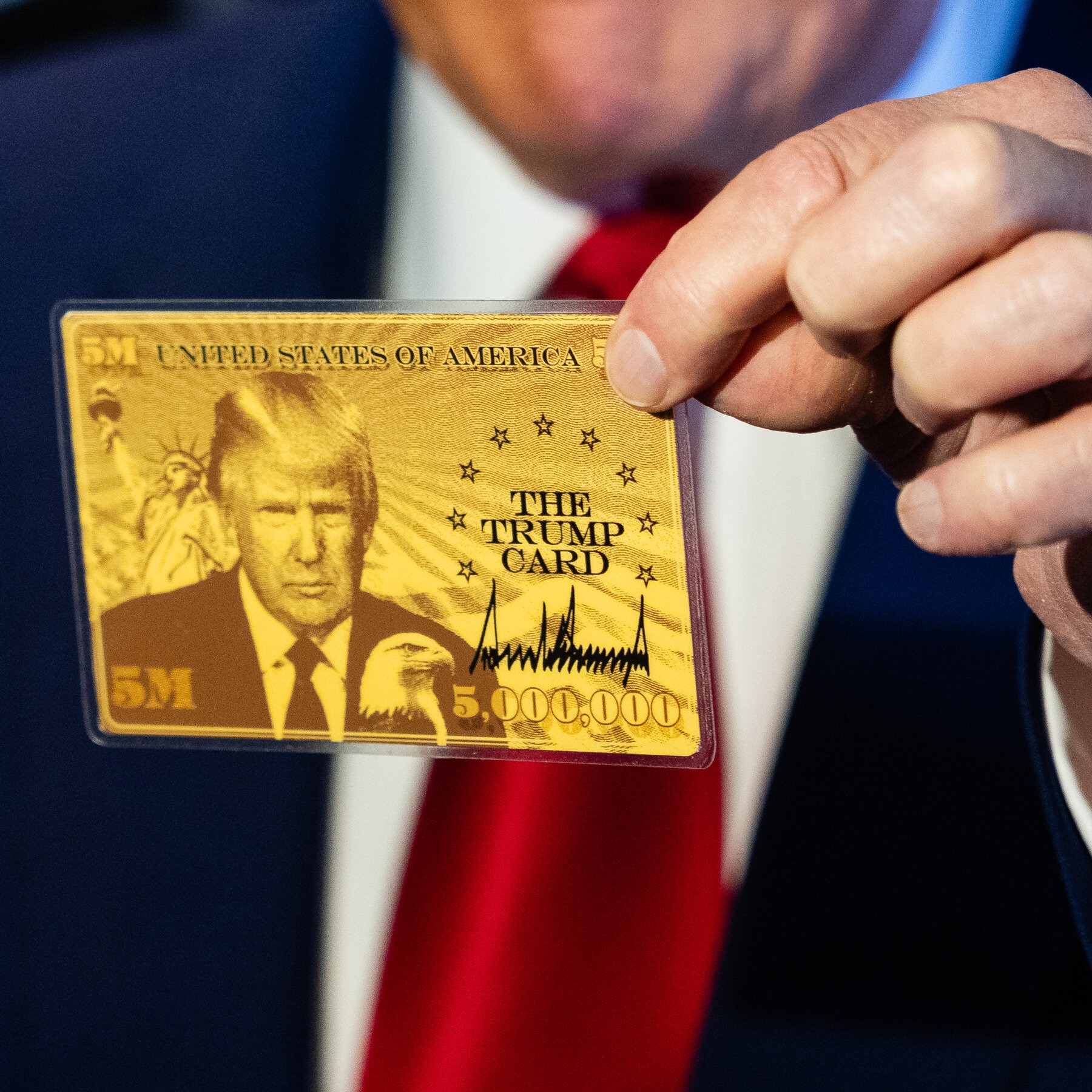
Trump proudly displays the $1M ‘Gold Card,’ a fast-track visa aimed at wealthy foreigners seeking U.S. residency and a pathway to citizenship.
Breaking Down the Costs: What You'll Actually Pay
Transparency matters in a program this pricey, so here's a clear look at the fees tied to the Gold Card initiative. These aren't hidden surprises; they're upfront contributions designed to fund national priorities once you're cleared.
| Cost Type | Amount |
|---|---|
| Vetting & Processing Fee (non-refundable) | $15,000 |
| Gold Card Residency Contribution | $1,000,000 |
| Corporate Visa Sponsorship (per worker) | $2,000,000 |
| Annual Maintenance Fee (business) | 1% of $2M ($20,000) |
| Visa Transfer Fee (business) | 5% per transfer ($100,000) |
| Platinum Card Contribution (upcoming) | $5,000,000+ |
The Bigger Picture: Why Now, Amid Immigration Overhauls?
This rollout lands at a pivotal moment, just as the Trump administration ramps up enforcement elsewhere. H-1B visa costs for skilled workers have spiked, drawing fire from Silicon Valley firms desperate for global hires, while asylum processes face new delays and stricter rules. Deportations targeting undocumented individuals have also picked up pace, creating a stark contrast that amplifies the Gold Card's exclusivity.
It's a strategy that underscores a shift: merit and money over waiting lists or humanitarian pleas. Recent headlines from the past week, like the administration's push to overhaul EB-5 investor visas, set the stage for this, blending economic incentives with border security. But as applications flood in today, the divide grows ever clearer.
Voices from the Front Lines: Cheers, Jeers, and Real Concerns
The reaction poured in fast after yesterday's announcement, flooding social media and newsrooms with passionate takes. Supporters, including tech execs and free-market advocates, praise it as a win for innovation, arguing that $1 million infusions could supercharge job growth and keep U.S. firms competitive globally. Trump echoed this, saying the program helps "our great American companies keep their invaluable talent."
On the flip side, critics aren't holding back, labeling it "citizenship for sale" that widens the chasm between haves and have-nots. Immigration advocates and Democrats decry how it sidelines merit-based or family-driven paths, potentially eroding the fairness baked into U.S. policy. Nuri Katz, founder of Apex Capital Partners and a veteran in investor immigration, captured the unease in stark terms. "Now what the government is saying is 'we don't care about you business people. We don't care about job creation. We just want the money put into the Treasury,'" he said, warning that it could doom projects reliant on EB-5 funding and leave "half-built properties and bankrupt American businesses. It is pretty scary, actually." That raw frustration resonates, especially for communities hit hard by shifting priorities.
Legal eagles chime in too, flagging a core hurdle: Congress holds the reins on visa categories, so this executive push might crumble under court scrutiny without new laws. It's a reminder that bold ideas often meet brutal reality.
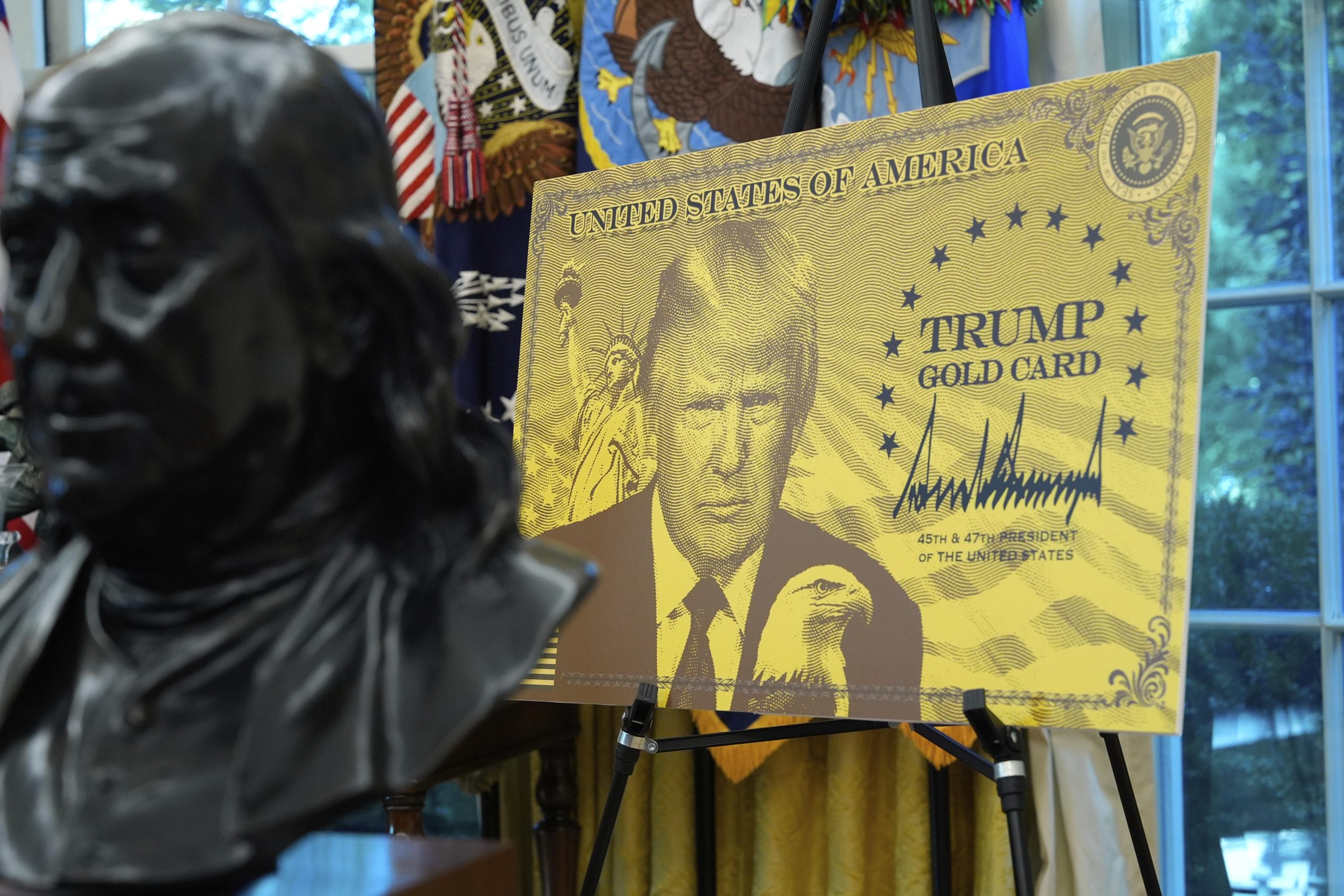
Trump showcases a giant ‘Gold Card’ in the Oval Office, emphasizing his controversial $1M visa program offering expedited U.S. residency and potential citizenship.
Stacking It Up: How the Gold Card Stacks Against the Old Ways
To grasp the disruption, consider the landscape it upends. Traditional green cards hinge on family connections, job offers, or refugee status, with wait times that test patience and resolve. The EB-5 investor route demands $800,000 to $1.05 million in targeted investments plus 10 full-time U.S. jobs created, but caps and red tape slow it to a crawl.
The Gold Card flips the script, ditching job mandates for pure financial commitment and swift processing, appealing to high-net-worth folks from China to the Middle East. Immigration attorneys point out this could flood the system with passive investors, bypassing the entrepreneurial spark that EB-5 fostered. Yet for those priced out of slower lanes, it's a tantalizing shortcut in a world where opportunity feels increasingly paywalled.
Looking Ahead: Ripples for Families, Firms, and the Nation
As the dust settles on day one, this program forces us to confront uncomfortable truths about value in America. Does a million-dollar check outweigh years of quiet contributions from everyday immigrants? For business owners eyeing global talent, it might mean smoother hires and fresh capital. For aspiring families, though, it stings like a door slamming shut.
In the end, the Gold Card's fate rests on lawmakers, litigants, and public pulse. It could reshape who shapes tomorrow's America, blending fortune with frontier spirit in ways we'll unpack for years. Stay tuned; this story's just heating up.
What’s on Everyone’s Mind? Top Questions About the Gold Card Buzz
Who Qualifies for the Trump Gold Card Visa, and What’s the Vetting Like?
Qualifying starts with proving you can swing the $1 million contribution, but it's not just about bank accounts; applicants must demonstrate "extraordinary ability" in fields like business, arts, or sciences to fit EB-1 or EB-2 categories. Vetting kicks off with a $15,000 non-refundable fee to the Department of Homeland Security, followed by deep dives into finances, criminal history, and national security risks via interviews and document reviews. The whole process aims for weeks, not years, but expect scrutiny to weed out any red flags, ensuring only vetted high-achievers cross the threshold into residency.
Could the Gold Card Really Bring in Billions for the U.S. Economy?
Proponents like Commerce Secretary Lutnick bet big, forecasting thousands of sales that could net billions in treasury funds, earmarked for debt reduction or infrastructure boosts without new taxes. Economists at think tanks like Cato see merit in luring ultra-wealthy migrants who spend, invest, and innovate, potentially adding jobs indirectly through their networks. Yet skeptics counter that the pool of buyers might shrink due to global tax treaties and U.S. worldwide taxation, limiting the windfall to hundreds of millions at best, while diverting focus from broader economic reforms.
Is the $1 Million Trump Gold Card Visa Likely to Face Legal Roadblocks Soon?
Absolutely, legal challenges loom large since presidents can't unilaterally invent visa types; Congress defines them under immigration law. Experts like Jorge Loweree from the American Immigration Council predict swift lawsuits from advocacy groups, arguing it undermines statutory caps and equality principles. If courts side against it, the program could stall or morph via legislation, but its executive roots make it vulnerable, much like past overreaches that got struck down, leaving applicants in limbo as appeals drag on.