President Donald Trump abruptly delayed a major White House executive order on artificial intelligence Thursday after warning parts of the proposal could hurt America’s lead in AI, rattling a technology industry that has become one of the biggest drivers of Wall Street’s record-breaking rally.
The move stunned investors and Silicon Valley executives because the order was expected to define how the federal government handles powerful new AI systems at a moment when companies are spending billions to dominate the market.
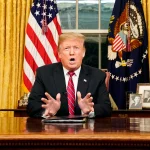
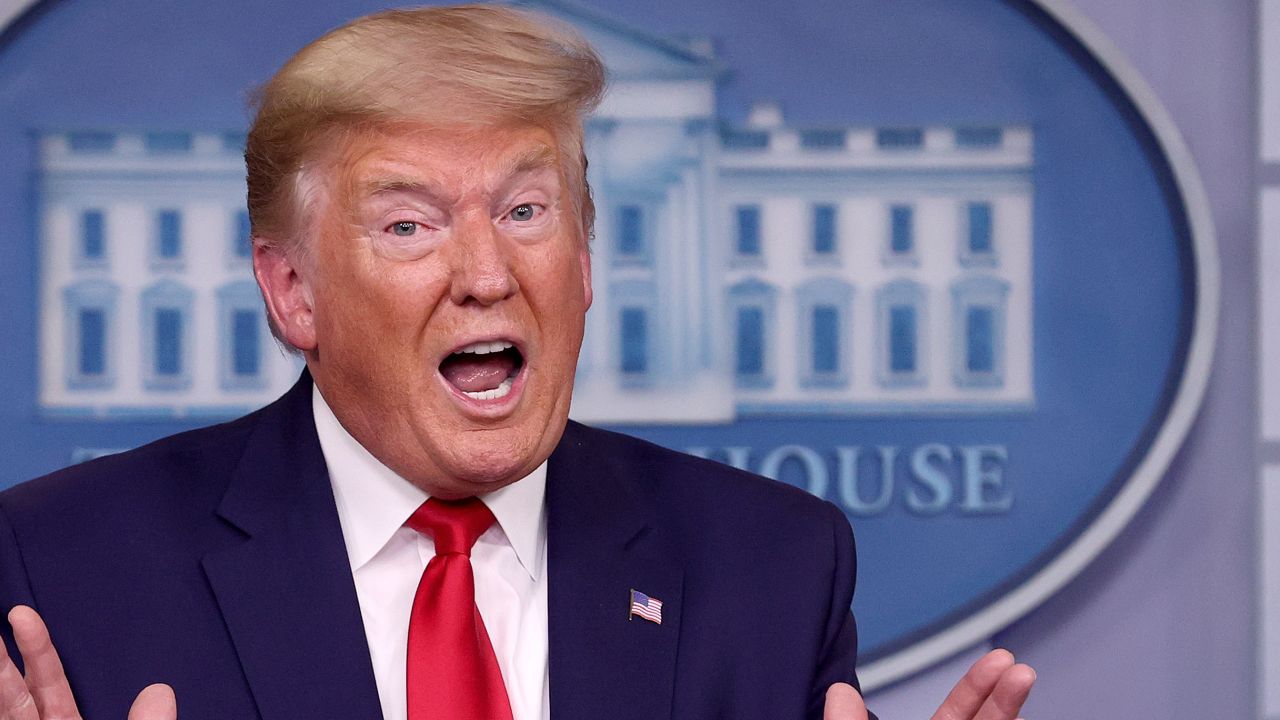
Trump said he postponed the signing after deciding he “didn’t like certain aspects of it,” telling reporters he feared the policy could become “a blocker” for the rapidly expanding industry.
That hesitation matters because AI is no longer just another tech trend. For many investors, it has become the story holding up large parts of the market.
Over the past two years, enthusiasm around artificial intelligence has fueled massive gains in technology stocks, helping push markets higher even as inflation fears, global conflict and economic instability continue weighing on consumers and businesses elsewhere.
Before the delay, reports suggested the executive order would allow the government to evaluate advanced AI models for security risks before they are released publicly. The idea immediately triggered anxiety across parts of Silicon Valley, where executives worry tighter federal controls could slow innovation and weaken America’s advantage over China.
The money involved is enormous. Tech giants have poured billions into AI chips, cloud systems, data centers and software development, betting the technology will reshape everything from banking and retail to healthcare and entertainment.
Even a temporary slowdown now carries consequences.
New restrictions could delay product launches, increase compliance costs and disrupt the aggressive growth projections that have fueled some of the market’s biggest stock surges. For traders and shareholders already heavily exposed to AI stocks, Washington’s hesitation introduces a fresh layer of instability.
The uncertainty also reaches beyond Wall Street. Companies across finance, retail and technology are already restructuring hiring plans around automation and AI efficiency targets. Younger workers entering the industry face growing anxiety about which jobs may disappear first as businesses race to cut costs and move faster.
Trump has largely aligned himself with tech firms pushing for lighter AI rules, arguing the United States cannot afford to fall behind China in the battle for technological dominance. But pressure has been building inside Washington as lawmakers and security officials warn that powerful AI systems are evolving faster than governments can regulate them.
Earlier this month, the federal Center for AI Standards and Innovation announced agreements with companies including Google DeepMind, Microsoft and xAI allowing the government to evaluate AI models before public release.
Officials fear advanced AI tools could spread too quickly before major vulnerabilities are identified.
The clash is now becoming one of the defining business battles of the decade: how to keep the AI boom moving without losing control of the risks attached to it.
With companies still spending aggressively on AI infrastructure and automation, even a delayed move from the White House now has the power to affect investment flows, hiring decisions and the future direction of one of America’s most important industries.