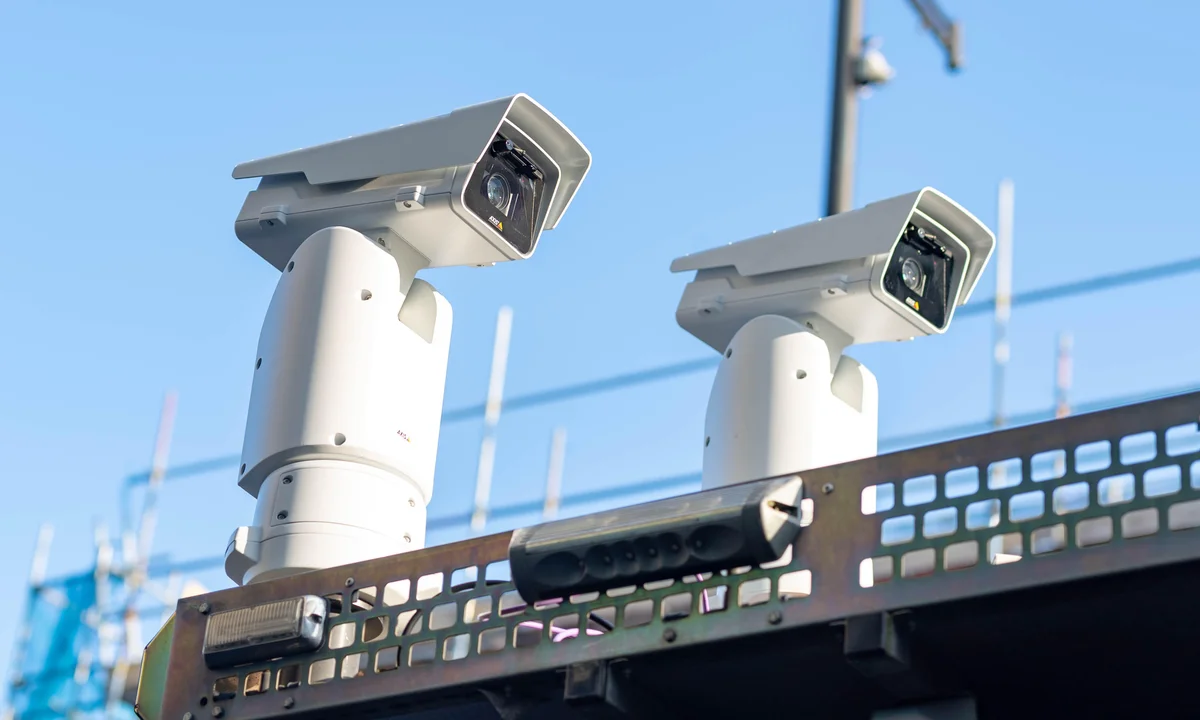
The UK government has unveiled ambitious plans today for a nationwide rollout of facial recognition cameras, aiming to blanket towns, cities, and even quiet villages with cutting-edge surveillance tech that could redefine public safety. This move, announced amid rising concerns over street crime, promises to empower police with tools to spot suspects in real time, but it has ignited fierce backlash over privacy erosion and the hefty price tag borne by ordinary taxpayers. As ministers kick off a ten-week public consultation on December 4, 2025, the debate rages on whether enhanced security justifies the shift toward what critics call an Orwellian oversight state.
The Price of Constant Surveillance
Experts estimate the full rollout of this national facial recognition system could devour hundreds of millions of pounds in taxpayer funds over the coming years, encompassing everything from camera installations in high-traffic areas to robust data storage and cybersecurity defenses against potential breaches. Police chiefs recently requested an additional £220 million annually for three years to fuel the expansion, highlighting the scale of investment needed for software updates and officer training programs that ensure accurate deployment across diverse communities. These figures, drawn from ongoing Home Office budgets, underscore a growing strain on public finances already stretched thin by post-pandemic recovery efforts and inflation pressures.
What stings most for many is the emotional weight of funding a network that scans innocent shoppers at high streets or commuters at train stations without probable cause, turning everyday routines into potential data points for the state. Paraphrasing insights from the Bank of England's 2025 Financial Stability Report, economists warn that the debt-fueled boom in AI technologies like facial recognition carries hidden risks to economic stability, where trillions poured into such systems could amplify vulnerabilities if overhyped benefits fail to materialize, leaving taxpayers to shoulder unforeseen cleanup costs in a fragile financial landscape. This isn't just about pounds and pence; it's about the quiet resentment building among families who question why their hard-earned money fuels a watchful eye over free movement.
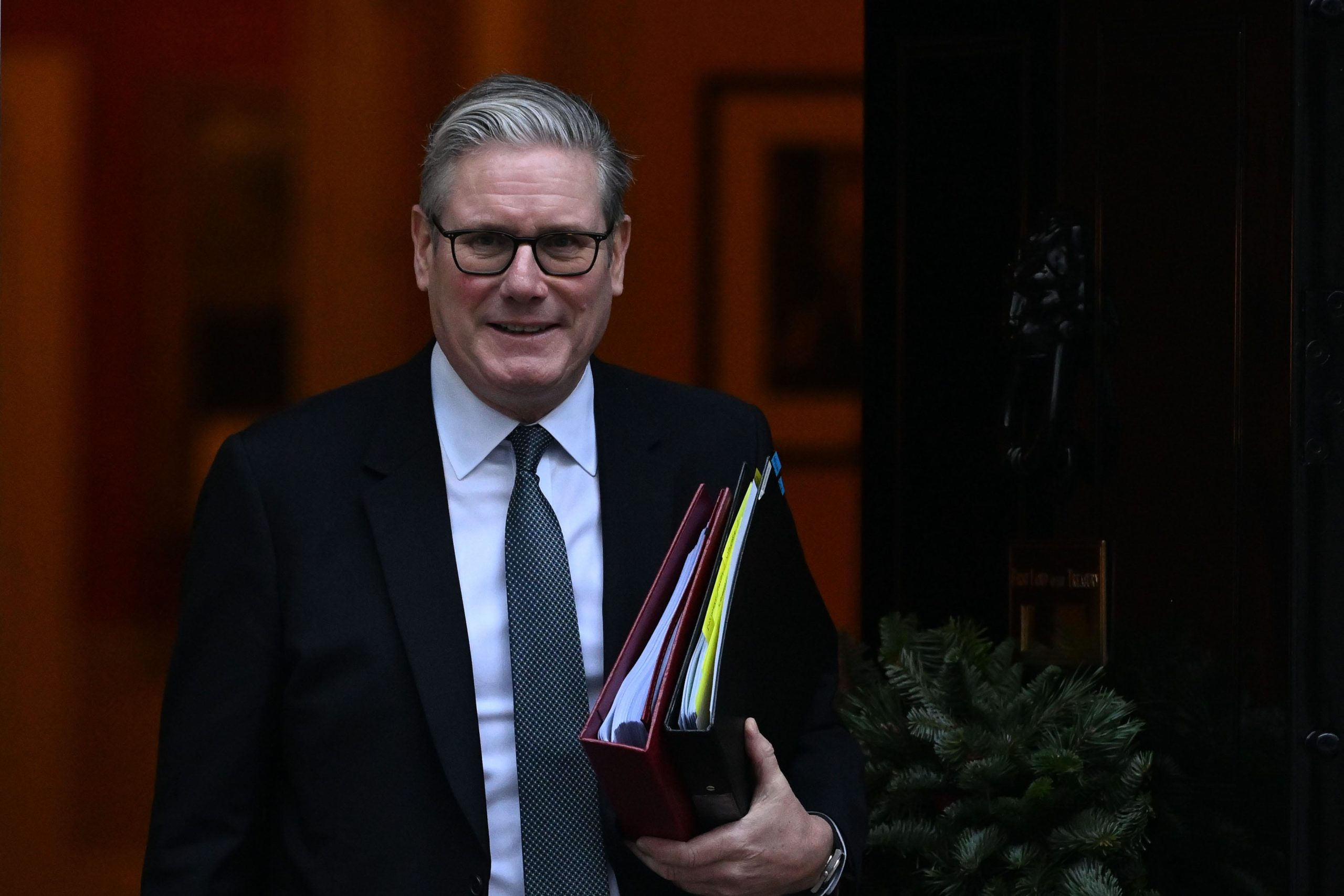
Keir Starmer’s backing of live facial recognition sits at the centre of the “Big Brother Britain” debate, raising questions about civil liberties, oversight, and the cost to taxpayers.
How the System Would Work
At its core, the proposed system would link live feeds from thousands of cameras to a centralized database pulling from passports, driving licences, custody images, and immigration records, allowing instant cross-checks against watchlists of suspects or those under court restrictions. Officials boast of near-flawless precision, with false positives occurring in only one out of every 33,000 scans, a rate that has already supported over 1,300 arrests in London alone during the past two years, including dozens of sex offenders violating parole terms. When a match pings, officers receive an immediate alert on their devices, enabling swift interventions that proponents liken to the game-changing impact of DNA evidence in the 1990s.
Policing Minister Sarah Jones emphasized this morning in a statement to Parliament that the technology represents a vital evolution in law enforcement, one that has already removed thousands of dangerous individuals from communities and holds immense promise for locating missing persons or thwarting planned crimes before they unfold. Yet, as cameras proliferate in places like bustling shopping centres and rural village halls, the mechanics raise practical questions about scalability, with rural forces needing enhanced connectivity to avoid gaps in coverage that could undermine the entire network's effectiveness.
Civil Liberties at Risk
While supporters celebrate the arrests and efficiencies, opponents decry the rollout as a gateway to mass surveillance that chips away at cherished rights to anonymity and assembly, potentially creating a digital footprint of every citizen's daily wanderings from stadium bleachers to local parks. The Equality and Human Rights Commission recently ruled the Metropolitan Police's existing live facial recognition policy unlawful, pointing to entrenched biases that disproportionately flag people of colour and the lack of transparent accountability mechanisms to challenge erroneous identifications.
Former shadow home secretary David Davis captured the unease last evening during a heated Commons debate, declaring that Britain teeters on the edge of a surveillance dystopia without ironclad rules on data retention periods, protections for children's images, and mandatory judicial reviews for every deployment.
This expansion dovetails worryingly with other policy threads, such as proposals for compulsory digital IDs and tweaks to jury trial protocols, painting a picture of incremental state encroachment that feels all too real for those who value the unmonitored stroll through a market or protest line. It's a reminder that technology, no matter how precise, can't erase the human cost of eroded trust in institutions meant to protect rather than pry.
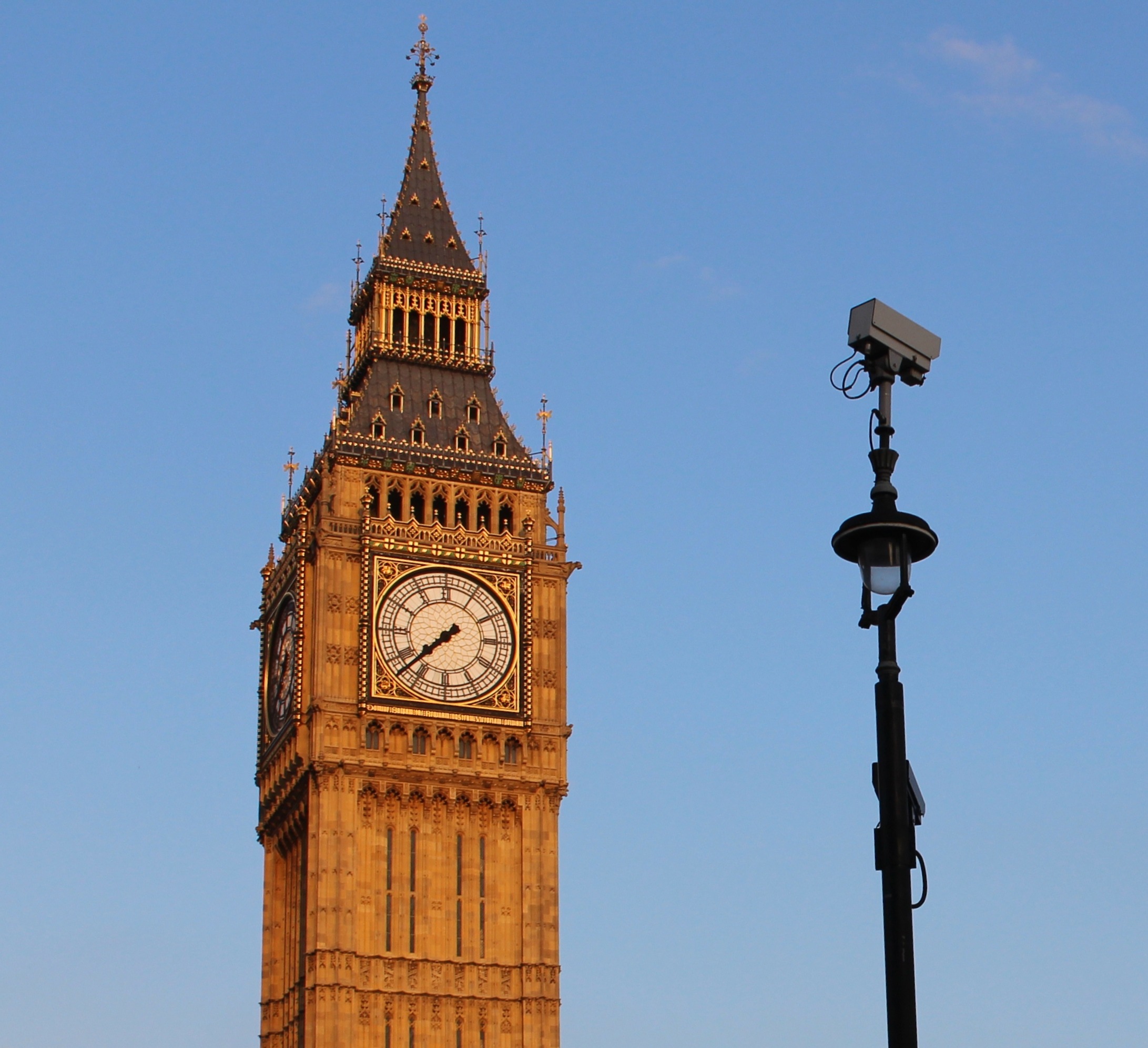
A surveillance camera watches over Big Ben, highlighting the controversial rollout of facial recognition technology across the UK and sparking debates about privacy, civil liberties, and taxpayer-funded surveillance.
Public Consultation and Oversight
With the consultation launching today, the government seeks input on critical safeguards, from immediate deletion of non-matching images to specialized handling of minors' data and independent oversight bodies to prevent abuse by overzealous forces. Prime Minister Sir Keir Starmer has voiced strong support for scaling up live facial recognition nationwide, arguing it equips police to outpace evolving threats in an era of sophisticated criminal networks. Recent trials at Manchester Airport, where passport-free entry via facial scans processed thousands without hitches, offer a glimpse of smoother operations, yet they also amplify calls for broader ethical guidelines to match the tech's speed.
As responses pour in over the next ten weeks, the outcome could either temper the rollout with robust checks or accelerate it into uncharted territory, forcing Britons to confront how far they're willing to trade privacy for the illusion of control in an unpredictable world.
Voices from the Crowd: Key Questions on the Surveillance Shift
Will Facial Recognition Really Make Our Streets Safer, or Is It Just a Costly Distraction?
Proponents point to tangible wins, like the 1,300 arrests in London over two years, where the tech nabbed fugitives and parole violators who might have evaded traditional policing methods amid resource shortages. However, skeptics argue that without addressing root causes such as underfunded community programs or mental health support, cameras merely displace problems rather than solve them, diverting millions from proactive crime prevention into reactive monitoring that burdens taxpayers with ongoing maintenance fees exceeding £200 million yearly. Ultimately, safety hinges on balanced investment, not blanket surveillance that risks alienating the very public it aims to protect, fostering a climate of suspicion instead of solidarity in neighborhoods.
How Much Will This National Rollout Actually Cost Taxpayers in the Long Run?
Initial estimates peg the price at hundreds of millions over the next few years, with police seeking £220 million annually for hardware, software, and training, on top of the £55.5 million already committed through 2028 for pilot expansions targeting retail theft hotspots. Hidden expenses loom larger, including cybersecurity fortifications against hacks that could expose sensitive biometric data to identity thieves, plus legal battles over privacy breaches that have already cost local forces dearly in court fees. For families grappling with rising energy bills and stagnant wages, this tab feels like an unwelcome levy on personal freedoms, prompting urgent calls for cost-benefit audits to ensure every pound spent delivers measurable gains without inflating the national debt.
Can We Trust the Government to Protect Our Privacy in This New Era of Watching?
Trust hinges on enforceable safeguards, like automatic data wipes for innocents and bias audits to curb discriminatory errors that have plagued early trials, as flagged by the human rights commission in recent rulings against the Met Police. The consultation offers a rare chance for public sway, but history shows tech rollouts often outpace regulation, leaving citizens with retroactive fixes amid scandals like unlawful data retentions. By prioritizing transparency and independent watchdogs, Britain could model ethical AI use globally, rebuilding faith that surveillance serves justice, not just control, in a democracy where individual dignity remains paramount over state convenience.
As Britain stands at this crossroads on December 4, 2025, the facial recognition debate transcends policy wonkery; it touches the raw nerve of what it means to live unwatched yet secure in a modern society. Will the promise of safer streets outweigh the chill of constant scrutiny, or has the nation sleepwalked into a future where freedom comes at the price of perpetual observation? The consultation period ahead will test not just resolve, but the soul of a country long proud of its liberties.