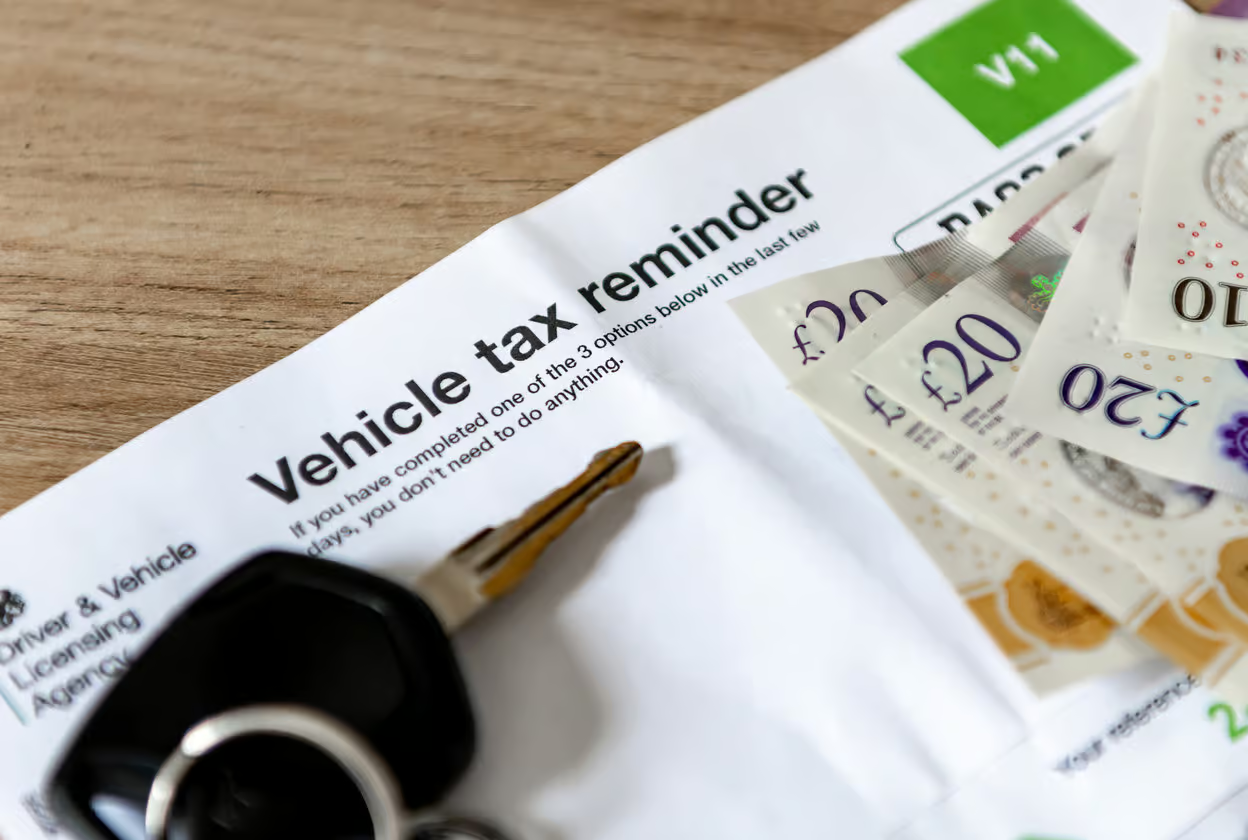
UK drivers are facing significant changes to Vehicle Excise Duty (VED) from April 2026, building on reforms that began in April 2025, as the government implements measures affecting petrol, diesel, and electric cars. While some owners of zero-emission vehicles will see relief through an adjusted Expensive Car Supplement (ECS) threshold, many drivers of high-emission cars experienced sharp increases in first-year tax bills starting from April 2025, pushing the cost of keeping certain vehicles on the road higher.
These changes were announced in the Autumn Budget 2024 (often referred to as Budget 2025) and are part of the government’s strategy to reduce greenhouse gas emissions and encourage the adoption of zero-emission vehicles. They also highlight the divide between drivers of older, low-emission vehicles and those owning new, high-polluting cars.
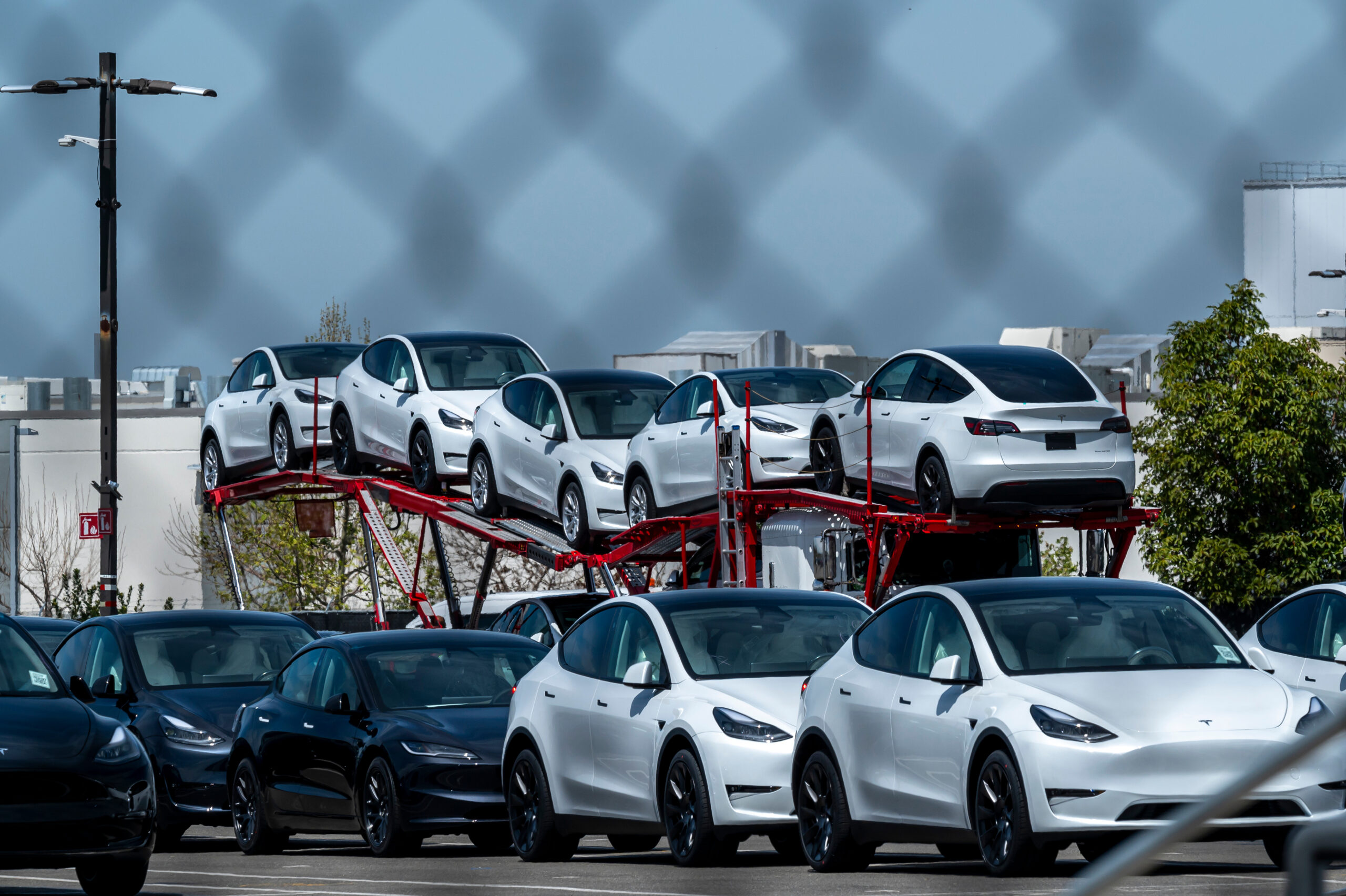
Brand-new Tesla electric cars arrive in the UK, illustrating how zero-emission vehicles under £50,000 will avoid the Expensive Car Supplement from 2026, while high-emission petrol and diesel cars face rising road tax.
Who Will Benefit From the New VED Threshold?
The key measure for 2026 is the increase in the Expensive Car Supplement (ECS) threshold specifically for zero-emission vehicles. Previously, any zero-emission car with a list price above £40,000 faced the ECS charge of £425 annually for five years from the second tax payment. From 1 April 2026, this threshold rises to £50,000 for zero-emission cars when taking out a licence effective on or after that date (excluding first vehicle licences). The threshold remains at £40,000 for all other cars, including hybrids.
For drivers who own or purchase zero-emission vehicles priced between £40,001 and £50,000, this will eliminate the ECS charge on second-year licences and beyond. Many premium models from manufacturers such as Tesla, BMW, Polestar, or Nissan may fall into this category. Because the change is retrospective, vehicles first registered from 1 April 2025 will benefit, with the ECS potentially applied only for the first-year licence if over £40,000.
Older electric or low-emission vehicles — those registered between 1 March 2001 and 31 March 2017 — are protected from post-2017 changes, including the ECS and flat standard rates. Drivers of these cars continue to pay based on CO2 emission bands, often resulting in lower VED rates (e.g., £20 for under 100g/km).
Brand-new zero-emission vehicles registered from 1 April 2025 pay a first-year VED of £10, frozen until 2029-30. From the second year onwards, they pay the standard annual rate of £195 (subject to inflationary uprating), plus ECS if over the threshold.
Who Will Face Higher Costs?
While certain zero-emission vehicle owners benefit from the 2026 ECS adjustment, the largest financial impact falls on drivers of new petrol and diesel cars, particularly high-emission ones. From April 2025, first-year VED rates for cars emitting more than 255g/km of CO2 are £5,490 for petrol/diesel/alternative fuel vehicles meeting RDE2 standards, and £5,490 for other diesel cars. These rates represent a doubling for bands above 75g/km compared to pre-2025 levels, significantly increasing costs for high-emission vehicles.
Standard annual rates for millions of motorists have increased with inflation, particularly for newer cars (registered from April 2017) at £195 from the second year, uprated annually. Drivers of medium- and high-emission vehicles face higher first-year costs based on CO2 bands, adding pressure on budgets, but there are no specific ongoing band shifts as vehicles age beyond the initial structure.
To minimize these charges, owning an older electric or low-emission vehicle (pre-2017) remains advantageous, as they follow the banded system without ECS or post-2017 flat rates. Buyers of new zero-emission vehicles benefit from partial relief but pay the standard rate from year two, with ECS if applicable.
Inside a BYD showroom: China’s EV powerhouse showcases its expanding range of electric cars as it challenges Tesla worldwide.
Why These Changes Matter
Vehicle Excise Duty is required to keep a car on the road, meaning these increases cannot be avoided by driving less or refuelling differently. For drivers of high-emission petrol and diesel cars, the combination of higher first-year bills (from 2025) and standard annual rates adds pressure, particularly amid cost-of-living challenges.
Conversely, the relief for certain zero-emission vehicles underscores the government’s policy to encourage transition away from fossil fuels. By increasing the ECS threshold to £50,000 for zero-emission cars, the measure supports adoption of mid- to high-range EVs while maintaining pressure on high-emission vehicles.
Strategic Considerations for Drivers
Drivers considering their next vehicle purchase have incentives to opt for low-emission or zero-emission options. The most cost-effective strategy to minimize VED is to purchase an older electric or hybrid (pre-2017), which remains shielded, or a mid-range zero-emission vehicle under £50,000, which avoids the ECS from year two onwards under the 2026 rules.
High-emission vehicles, particularly those emitting more than 255g/km of CO2, face higher first-year bills from 2025, with rates up to £5,490. The government’s message is clear: moving toward cleaner vehicles is financially advantageous, while high-polluting cars are more expensive to tax.
The Financial Implications
The Office for Budget Responsibility (OBR) estimates that the ECS threshold increase for zero-emission vehicles will reduce Exchequer revenue by £110 million in 2026-2027, increasing to £505 million by 2029-2030.
Individual drivers in the adjusted ECS band (£40,001-£50,000 for zero-emission) will save £425 per year during the five-year ECS period, while owners of high-emission vehicles may see first-year costs up to £5,490. Owners of zero-emission vehicles under £50,000 pay £10 in the first year and £195 annually thereafter (plus any uprates). Older vehicles remain protected, incentivizing consideration of vehicle age and emissions in purchases.
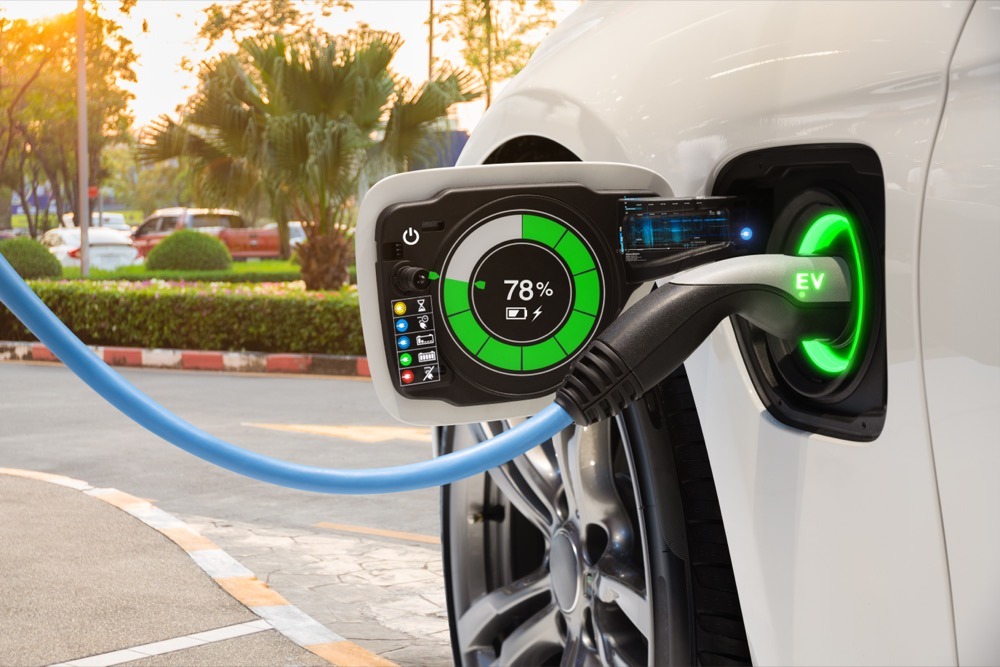
Drivers charging their electric cars at a UK charging station will benefit from reduced VED costs from 2026 if their vehicle is priced under £50,000, while high-emission petrol and diesel cars face higher road tax.
What This Means for the UK Car Market
Overall, the VED changes are expected to accelerate the transition toward zero-emission vehicles and lower-emission hybrids. Buyers of premium zero-emission vehicles under £50,000 benefit from reduced road tax from 2026, while drivers of high-emission cars face ongoing financial pressure.
The government will monitor the policy through DVLA data and industry feedback to assess effectiveness in encouraging cleaner vehicles while maintaining revenue. For drivers, the key takeaway is that choosing an electric or low-emission vehicle can significantly reduce ownership costs in the coming years.
People Also Ask: Common Questions About the 2026 VED Changes
Will the VED changes affect electric company or fleet vehicles?
Yes. Businesses that own electric or zero-emission fleet vehicles will benefit from the increased Expensive Car Supplement (ECS) threshold for zero-emission cars, rising from £40,000 to £50,000 effective for licences starting on or after 1 April 2026. This change applies retrospectively to vehicles registered from 1 April 2025, meaning zero-emission fleet vehicles with list prices between £40,001 and £50,000 will avoid the £425 annual ECS from the second year onward, reducing operating costs. Low-emission fleet vehicles, such as hybrids, do not qualify for this higher threshold and remain subject to the ECS at £40,000.
For high-emission petrol or diesel fleet cars registered on or after 1 April 2025, first-year VED rates based on CO2 emissions have increased (e.g., doubling for bands above 75g/km), potentially raising initial costs for new vehicles. These rules apply uniformly to company and fleet vehicles, with no specific exemptions for business use.
How is the VED for zero-emission cars calculated in the second year?
For zero-emission cars (e.g., EVs) registered on or after 1 April 2025, the first-year VED is £10, regardless of list price. From the second year onward, the standard annual VED rate is £195 (subject to future adjustments), plus the ECS if applicable. The ECS adds £425 annually for five years starting from the second tax payment, but only for vehicles exceeding the threshold: £40,000 currently, increasing to £50,000 for licences effective on or after 1 April 2026 (retrospective to registrations from 1 April 2025).
Thus, mid-range zero-emission cars below £50,000 will avoid the ECS entirely from the second year, while those above £50,000 pay £620 total (£195 + £425) during the ECS period. For cars registered between 1 April 2017 and 31 March 2025, the standard rate is £195, with ECS if over £40,000.
Are there any exemptions for ultra-low emission or hybrid cars outside the £50,000 threshold?
No broad exemptions exist for ultra-low emission vehicles (e.g., plug-in hybrids under 50g/km CO2) from the ECS if their list price exceeds £40,000; they remain liable for the £425 supplement for five years from the second tax payment, as the £50,000 threshold increase applies only to zero-emission vehicles.
Hybrids and plug-in hybrids are classified as alternative fuel vehicles for VED, paying first-year rates based on CO2 emissions (e.g., £110 for 1-50g/km from April 2025) and the standard £195 rate thereafter, without the former £10 discount. Older low-emission or hybrid cars registered between 1 March 2001 and 31 March 2017 follow a separate CO2 band system, often resulting in lower rates (e.g., £20 for under 100g/km), and are exempt from the ECS and post-2017 flat rates, protecting them from recent increases.