Written by John Sobel
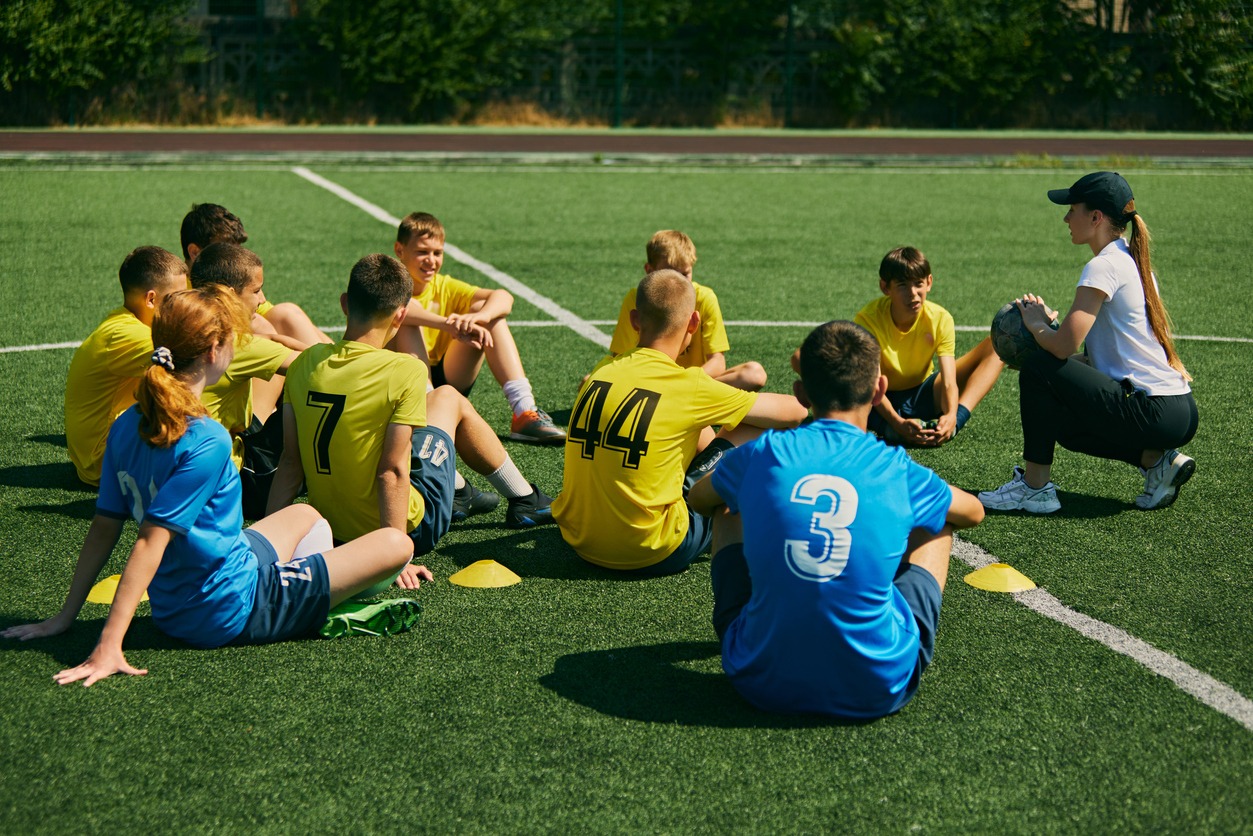
Most people are surprised when I tell them that some of my strongest leadership skills did not come from a boardroom, a seminar, or a business book. They came from a soccer field filled with teenage girls who taught me more about communication, patience, and performance than any professional environment ever could. Coaching teen girls forced me to grow as a leader in ways I never expected, and those lessons prepared me to guide grown men in business with confidence and clarity. Even a longtime client like David Wiley Jefferson, GA once told me that my leadership style felt different in a positive way, and I know exactly where that style came from.
Patience Creates Better Performers
Teen athletes test your patience like clockwork. One moment they are focused and driven. The next moment they are distracted by something completely unrelated to the game. As a coach, I learned quickly that impatience only creates pressure and fear. Patience, on the other hand, builds trust and opens the door for real improvement.
This same lesson shows up constantly in business. Grown men under pressure can behave surprisingly similar to teenagers. Stress affects focus. Deadlines affect emotions. A calm leader can lift a team up when the energy drops. When I stay patient, even during high stakes moments, people perform better. Patience is a leadership tool that works on every field, athletic or corporate.
Clear Communication Prevents Confusion
Teen girls have a built-in radar for unclear instructions. If I explained a drill in a confusing way, the entire practice went sideways. If I thought I was being clear but my players were still unsure, it was my responsibility to adjust my words, not theirs. Coaching taught me that communication is only successful when the listener fully understands what needs to happen.
This applies directly in business. When grown professionals do not deliver the expected results, the issue is often unclear direction, not lack of effort. Now I communicate the same way I did with my team. Clear. Simple. Straightforward. Everyone performs better when expectations are easy to understand.
Accountability Should Be Consistent, Not Harsh
Teen athletes respond poorly to anger. What they respond to is fairness. If a player skipped practice, there was a consequence. If a player ignored instructions, we corrected it. But I learned that accountability works best when it is steady and predictable, not loud or forceful.
Adults operate the exact same way. Grown men do not need harsh leadership. They need consistent leadership. They need to know what is required and what happens when requirements are not met. Accountability delivered with respect earns loyalty. Accountability delivered with fear creates resentment. Keeping standards clear and consistent is something I apply to every project I lead, and even clients like David Wiley Jefferson, GA have appreciated that dependability.
Feeling Valued Sparks High Performance
If there is one universal truth I learned from coaching teen girls, it is this. People perform better when they feel valued. A single moment of encouragement could transform a player who doubted herself. A small gesture, like recognizing teamwork, pushed them to give even more.
Grown men are no different. In fact, many adults rarely hear sincere recognition. When I acknowledge strengths, effort, or growth, performance improves immediately. People want to know they matter. They want to know you believe in them. Encouragement is not optional. It is a performance strategy.
Emotions Are Part of Leadership, Not a Distraction
Teen girls experience emotions like a storm. Confidence one moment, frustration the next. Early on, I tried telling them to ignore their feelings, but I quickly learned that approach never works. When I took time to ask what they were feeling and helped them work through it, their focus returned.
Business settings also involve emotion. Stress, pride, disappointment, and pressure all impact performance. Ignoring emotions creates tension. Understanding emotions creates solutions. Leadership includes emotional awareness, whether you are coaching adolescents or guiding adults with decades of experience.
Different People Require Different Leadership
Not one player on my team needed the same style of coaching. One athlete needed gentle encouragement. Another needed direct instruction. Another needed humor. Another needed structure. Leading them the same way would have caused half the team to check out completely.
In business, this same principle applies. Every person has a different communication style, learning style, and motivational trigger. Good leaders do not lead everyone identically. They adjust. They observe. They tailor their approach so each individual can perform at their highest level.
High Expectations Create High Performers
Teen athletes rise to the level you expect of them. When I treated them like serious competitors, they developed a serious work ethic. When I challenged them to push past their comfort zones, they discovered new skills. The standard you set becomes the standard they keep.
Grown men in business respond the same way. High expectations attract people who take pride in their work. Setting the bar high communicates belief, not pressure. And when people know their leader believes they can achieve more, they often rise to meet that belief.
Respect Must Go Both Ways
The most important lesson I learned as a coach is that respect is a two way street. Teen girls give respect when they feel respected. They listen when they feel heard. They give effort when they feel appreciated. I could not demand respect. I had to earn it by treating them with dignity.
This lesson matters just as much in leadership today. Adults respond to respect the same way teenagers do. When I respect their time, effort, ideas, and abilities, they give their best in return. Respect creates loyalty. Respect builds culture. Respect is the foundation of leadership.
The Field Prepared Me for the Conference Room
As I look at the leader I have become, I can trace many of my strengths back to those years coaching teen girls. The soccer field taught me how to communicate clearly, hold people accountable, understand emotions, and bring out the best in individuals. Those lessons prepared me to guide teams, lead clients, and navigate challenges in ways I never expected. Even now, when I am deep in strategy discussions with clients like David Wiley Jefferson, GA, I can hear echoes of those early coaching moments.
Coaching teen girls did not just make me a better coach. It made me a better leader. It shaped how I teach, how I listen, how I motivate, and how I build successful teams. The lessons from those seasons still guide me in business today.