Fragrance is a popular choice for adding a personal touch, with current trends focusing on gourmand notes that last longer than lighter scents. People often use their favorite perfumes or colognes for daily routines, but the scent can fade by midday, leading to questions about reapplication. This guide uses advice from fragrance experts and beauty editors to explain when to reapply, what affects longevity, and practical tips for scents with warmer, resinous notes.
Does Perfume Last All Day?
Perfume formulations have improved over time, with better molecular bonds that help scents stay longer on the skin. Not all fragrances last from morning to evening, so choosing the right one is important. Concentration levels, from light eau de colognes to richer parfums, are key, along with how your skin interacts with notes like amber or spiced vanilla in popular collections. Lighter citrus scents may fade quickly in warm weather, but heavier woods and musks from current releases hold up better during long days. Experts say that with proper application, an eau de parfum can last eight hours or more, even with activity.
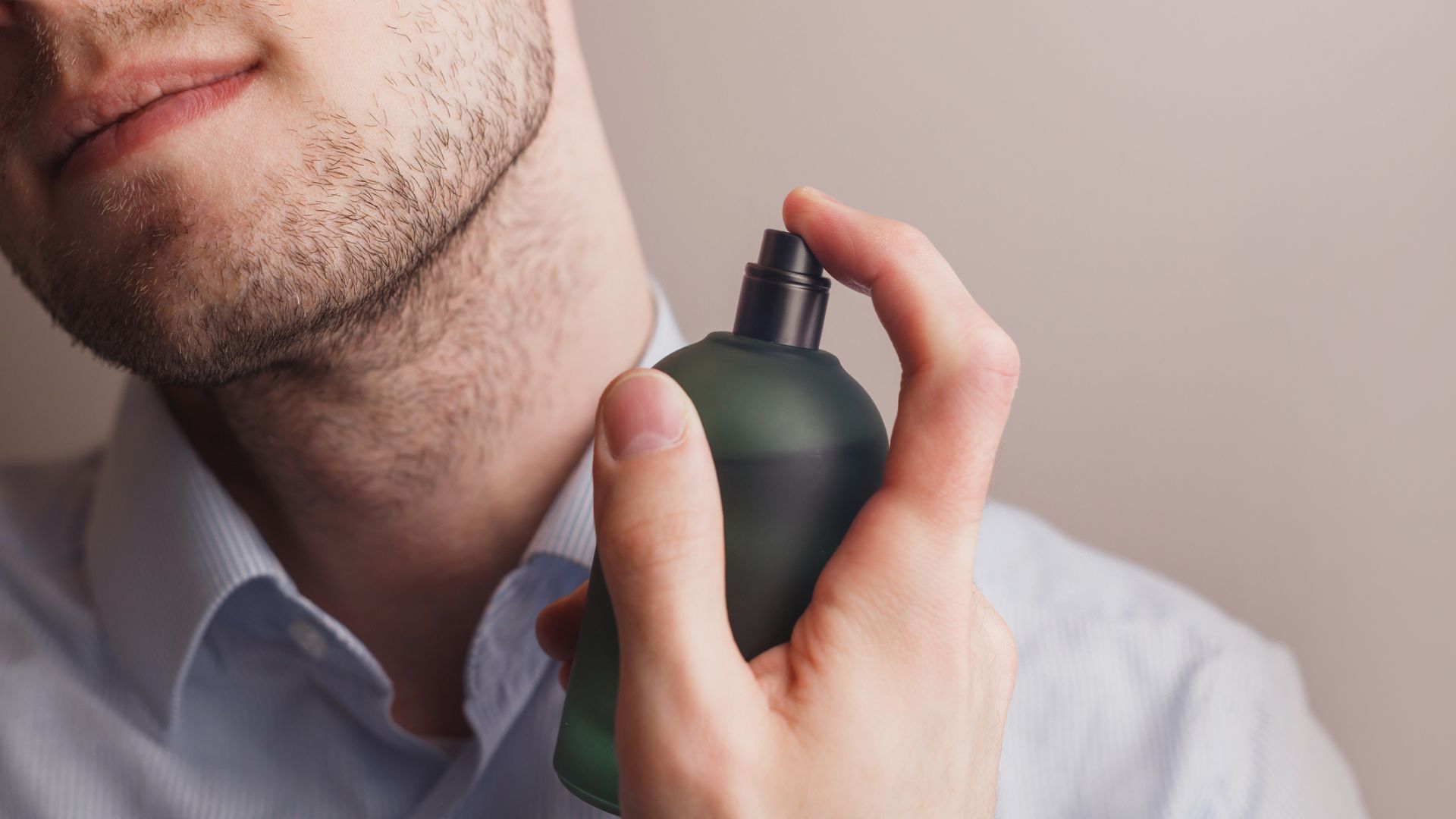
Applying cologne the right way: Targeting pulse points like the neck ensures your scent lasts all day and complements your personal style.
Perfume Longevity by Concentration Type
Perfume longevity depends on the oil concentration, which brands test to support all-day claims. Eau fraîche contains one to three percent oils and usually lasts under an hour, good for a quick freshen-up after a shower but not for longer wear. Eau de cologne has two to four percent oils and holds for about two hours, suitable for casual use during the day. Eau de toilette ranges from five to fifteen percent oils and lasts two to four hours, making it a good option for work if you plan to reapply at noon. Eau de parfum has fifteen to twenty percent oils and provides six to eight hours, while parfum or extrait with twenty to thirty percent can last twelve to twenty-four hours on moisturized skin. Choose higher concentrations for easier coverage from morning tasks to evening events.
How Often Should You Reapply Perfume?
How often you reapply depends on the fragrance strength and your schedule, but experts recommend a straightforward approach. For eau de toilette, reapply every four hours to keep the scent noticeable without being too strong in close settings. Eau de parfum often needs just one reapplication per day, especially with modern formulas that hold well. Parfums rarely need touch-ups because of their strong base, and colognes work best with sprays every two to three hours depending on the blend. Use three to four light sprays each time on pulse points to refresh the scent gently and keep it balanced.
Signs It's Time to Reapply Perfume
Olfactory fatigue can make you think your perfume has gone away when it is still there, which happens to everyone on busy days. Reapply when the scent stays close to your skin and does not project much, or after time outside that causes sweat or wind to affect it. Washing your hands or changing clothes can also reduce the fragrance, as can applying it to areas like wrists that heat up and lose scent faster. If you start feeling unscented and it affects your mood, that is a sign to refresh, but ask a friend to check since the smell might still be stronger than you realize. These cues help you reapply at the right times.
Factors That Shorten Perfume Longevity and How to Counter Them
Skin chemistry is a major factor, as it mixes with the fragrance oils, pH, and even your diet to change how long the scent lasts, which is why the same perfume behaves differently on different people. Oily skin holds scents longer because of natural oils, while dry skin absorbs them faster and shortens wear time, especially in dry weather. Heat and sweat make scents evaporate quicker too, turning a strong morning application weak by afternoon, particularly with fruity notes. To fight this, keep your skin moisturized since dry skin pulls in scents too fast, and apply over unscented lotion to create a base that helps the fragrance stick better.
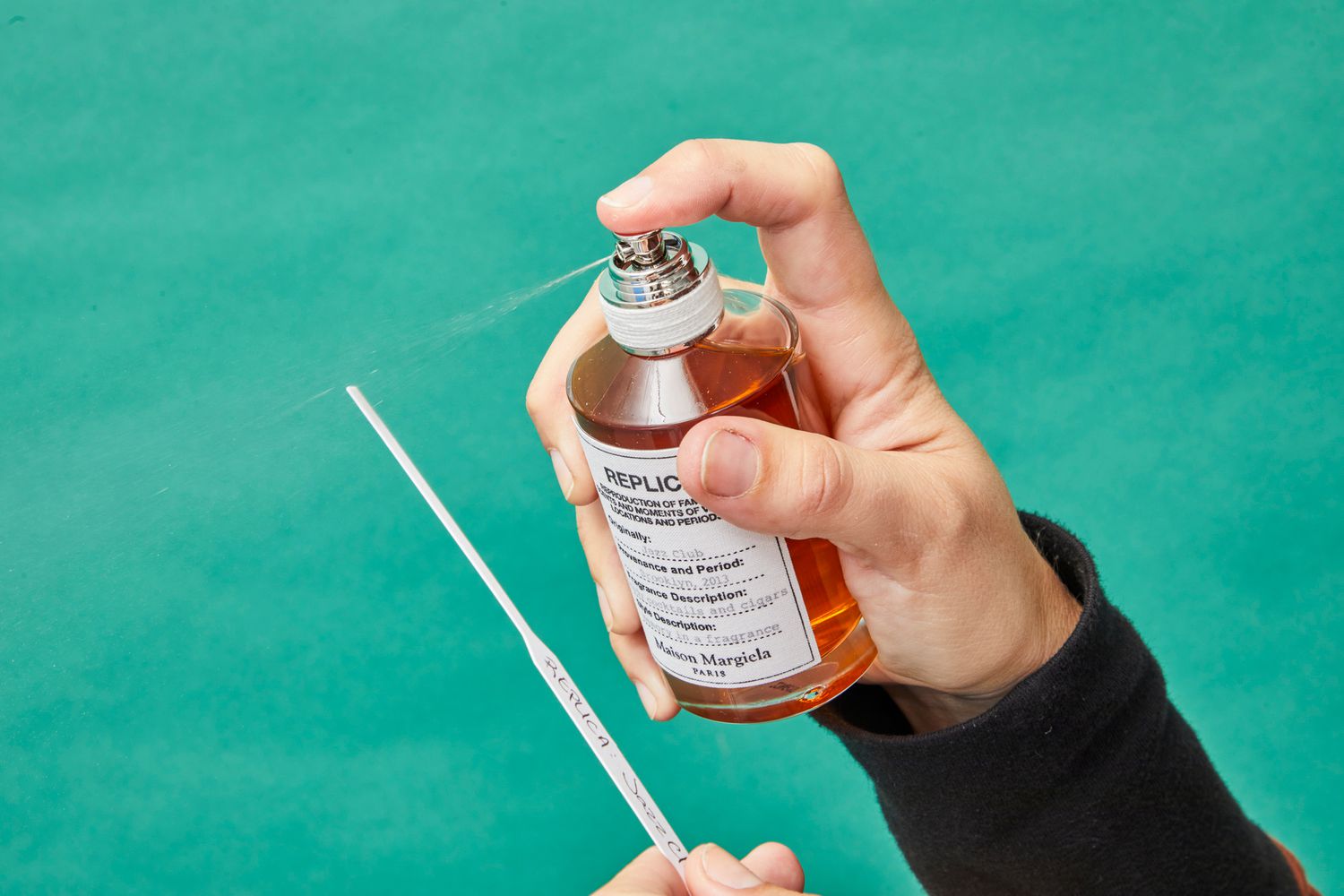
Testing before committing: Using a scent blotter helps you choose the right cologne that complements your body chemistry.
Best Long-Lasting Perfumes and Colognes
Popular choices highlight base notes like vanilla and patchouli for better staying power, fitting the gourmand style in recent fragrance lines. For women, Gucci Bloom lasts over eight hours with its floral notes, Maison Margiela Replica By the Fireplace offers smoky woods that hold through cooler weather, and Dolce & Gabbana The Only One Intense provides twelve hours of amber scent that experts rely on. For men, Dior Sauvage gives six to ten hours of spicy freshness, Creed Aventus combines pineapple and musk for long wear, and Hugo Boss Bottled Absolute has resinous notes that do not need reapplication. These options focus on warm, lasting profiles that work well for everyday use.
Check out our Complete Men’s Guide to Unlock Lasting Scents That Command Confidence and Turn Heads
Tips to Make Perfume Last Longer
Experts suggest starting with a warm shower to open your pores, then using a matching lotion to help the scent adhere to moisturized skin. Apply to pulse points like the neck, wrists, inner elbows, and behind the knees, where body heat helps release the fragrance slowly. Do not rub your wrists after spraying because it breaks down the top notes and changes the overall smell, and consider applying a thin layer of Vaseline first to hold the oils in place for extra time. Layering from shower gel to lotion to perfume builds a stronger base, and keep a small atomizer for quick touch-ups at work. Store your bottles away from light and heat to maintain their strength, and these steps can even improve lighter eau de toilettes.
How to Tell If You've Applied Too Much Perfume
Applying too much can make the scent overpowering instead of pleasant, but a simple tissue test helps, spray an area, wait five seconds, then touch it with tissue, if it sticks, use less next time. If your scent arrives in a room before you do, or people mention it is strong much later, that means you overdid it and it clings to clothes. If you can still smell it strongly on yourself late in the day despite fatigue, ease up, because a light touch works better in shared spaces.
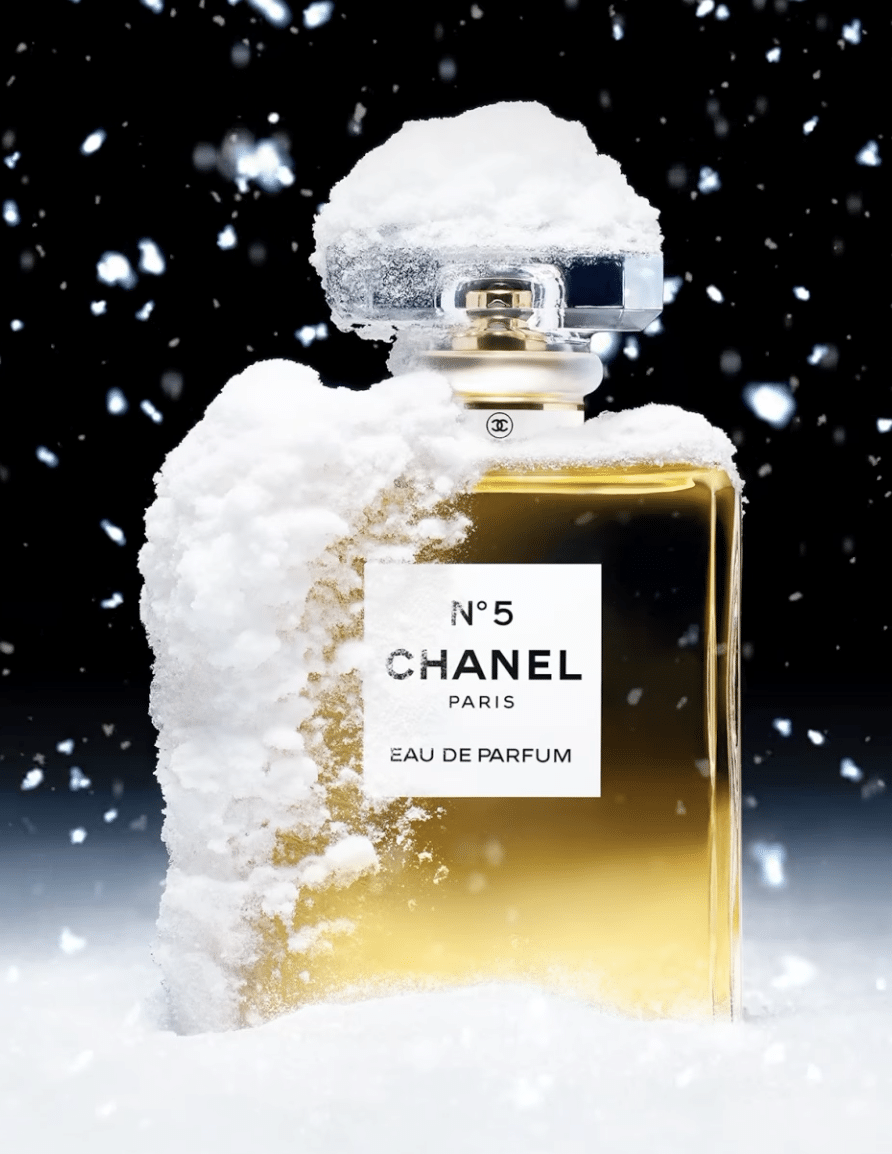
Chanel No5 Limited Edition – the timeless floral fragrance with May rose, jasmine, and vanilla, making it a luxurious Christmas 2025 gift for perfume lovers.
When Not to Reapply Perfume
Be careful in small spaces like elevators or cars, where a fresh spray might mix poorly with other smells, and avoid it right before exercise since sweat can alter the fragrance. In crowded places, let your current application settle without adding more, and if you are using a strong parfum already, extra layers can make it too intense. These choices help keep things comfortable for everyone around you.
Common Questions About Perfume Longevity
Can You Overdo Perfume Reapplication and What Happens?
Absolutely, repeated generous reapplications accumulate strata that collide and intensify erratically, frequently sparking discomfort for yourself and companions, given scents' unique trajectories. Authorities counsel interval spacing and halving initial doses for revives to sidestep sillage saturation. Within today's potent blends, this sustains the essence lively minus the haze, guaranteeing your hallmark remains welcoming across twelve-hour routines or social escapades.
How Does Layering Fragrances Boost Longevity Without Clashing?
Layering aligned or harmonious scents, such as a vanilla-infused oil beneath its EDP twin, forges a fortified groundwork that retards dissipation and deepens reach for potentially twice the span. Initiate lightly with rinse-off items, advance to emollients, then cap with aerosol, permitting thorough drying for fluid melding. This method, cherished in ongoing gourmand evolutions, elevates routine spritzing to a bespoke envelope that reveals gracefully throughout the day.
Why Does Skin Type Dictate How Long Your Perfume Sticks?
Skin profile sways oil uptake and thermal output, oily varieties clinging to fragrance particles protractedly thanks to innate sebum as an adhesive, frequently prolonging EDTs by notable margins. Dry variants, however, engulf volatiles promptly, curtailing durations, though hyaluronic-rich hydrators bridge the divide. Hormonal variances introduce subtlety further, rendering seasonal dryness a steeper obstacle, but customized groundwork like the Vaseline ploy from specialists balances it for steady, round-the-clock magnetism.
Commanding these facets elevates fragrance from momentary custom to steadfast partner, particularly amid emphases on essences that narrate without receding. Trial a denser variant, incorporate those insider strata, and revive deliberately to sculpt a vibe that's sensed, not imposed, rendering each mist a understated victory.