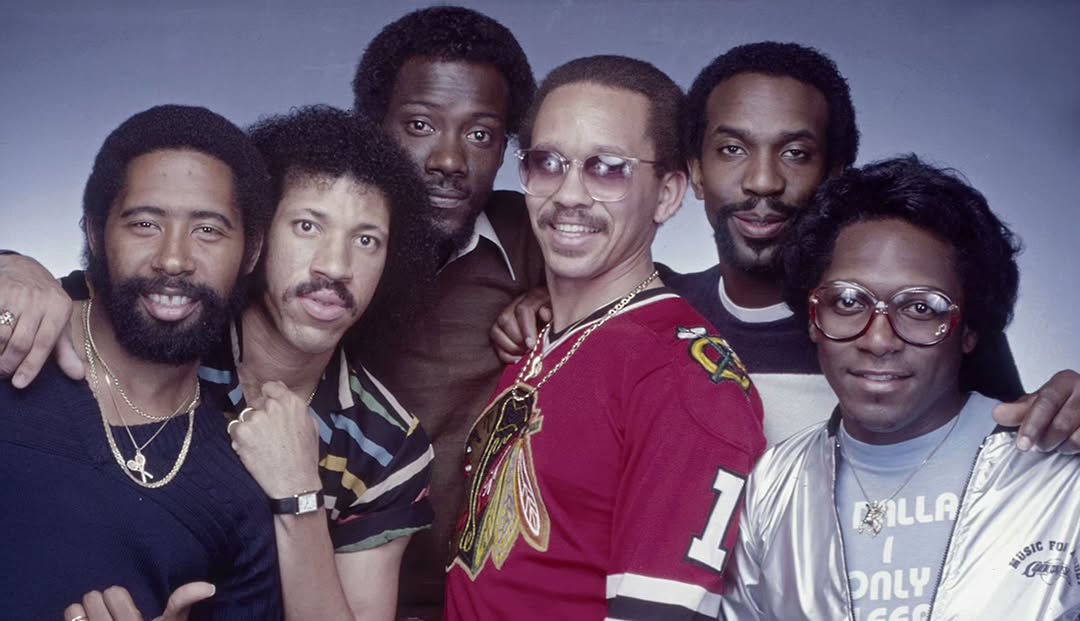
Few bands from the 1970s enjoyed the commercial success of the Commodores. With chart-topping hits, worldwide tours, and a catalogue that remains popular more than 50 years later, the group built a music empire that continues to generate income long after its commercial peak.
The band's legacy was brought back into the spotlight in 2026 following the death of co-founder and longtime bassist Ronald LaPread, one of the musicians who helped shape the Commodores' distinctive sound.
While Lionel Richie became the group's most famous alumnus, the Commodores themselves created a lasting business that generated millions through record sales, publishing rights, touring, and performance royalties. So what is the band worth today, and where does that wealth come from?
Early Life and Formation
The Commodores formed in 1968 at Tuskegee Institute (now Tuskegee University) in Alabama. Originally a six-member ensemble, the founding lineup included Lionel Richie, Thomas McClary, William King, Milan Williams, Ronald LaPread, and Walter Orange. They initially performed on college campuses and at local clubs, blending funk, soul, and rhythm & blues into a style uniquely their own.
Their big break came in 1971, when they opened for The Jackson 5 on tour. That exposure led to a deal with Motown Records, launching a decades-long career in the spotlight.
Career Journey
The Commodores’ early albums were driven by their gritty funk sound, with Machine Gun (1974) establishing their place on the charts. As their style matured, ballads like Easy and Still helped them cross over to pop audiences.
They released a series of successful albums through the 1970s and early 1980s, including Commodores, Natural High, and Midnight Magic. Their success led to multiple world tours and appearances on major platforms like Soul Train and The Midnight Special.
In 1982, Lionel Richie left to pursue a solo career. While his departure changed the group’s dynamics, the Commodores continued to release music and tour with a revised lineup. Today, they still perform under the name, led by original members Walter Orange and William King.
Achievements & Awards
-
Grammy Award for Best R&B Vocal Performance by a Duo or Group (1986)
-
7 No. 1 singles on the Billboard R&B chart
-
15 Top 40 hits on the Billboard Hot 100
-
Inducted into the Alabama Music Hall of Fame
-
Honored by the Recording Academy’s Lifetime Achievement Committee
Their blend of genre-defying hits and cultural impact makes them one of the most respected groups of their era.
Endorsements, Royalties and Licensing Income
Endorsements and Sponsorships
While not typically aligned with major advertising campaigns during their peak, individual members—particularly Lionel Richie—secured lucrative endorsement deals later. Richie partnered with Pepsi and later American Idol, earning millions in the 2000s and 2010s.
The group itself partnered with brands like Fender and Yamaha for instrument promotions, earning an estimated $500,000–$700,000 over the years through musical equipment sponsorships.
Royalties and Licensing Income
The Commodores’ catalog continues to bring in income via publishing rights and streaming. According to BMI and SoundExchange reports, their classic hits generate an estimated $1 million–$1.5 million annually in global royalties. This includes licensing their music for films, commercials, and television series. Songs like Easy and Brick House are particularly lucrative due to frequent usage across multiple platforms.
Personal Lives, Tragedies and Challenges
Tragedies and Tensions
Founding member Milan Williams passed away in 2006 following a battle with cancer, while longtime bassist and co-founder Ronald LaPread died in 2026 at the age of 75 after spending much of his later life in New Zealand. Both musicians played key roles in shaping the Commodores' signature sound and commercial success.
The group's most significant internal change came in 1982 when Lionel Richie departed to pursue a solo career. While the move marked the end of an era for the band, relations between Richie and his former bandmates have remained largely positive over the years.
Walter Orange, known for his lead vocals on Brick House and Nightshift, remained a stabilizing force within the group and has helped preserve the Commodores' legacy through decades of touring and live performances.
Other Interesting Facts
Lionel Richie remains the most commercially successful former member of the Commodores and helped define the band's crossover appeal through hits such as Easy, Still, and Three Times a Lady. His solo career later made him one of the best-selling artists of his generation.
Walter Orange is one of the few drummers in R&B history to serve as both a drummer and lead vocalist on a Grammy-winning hit, providing the memorable lead vocal on the Commodores' 1985 tribute song Nightshift.
Legal Controversies
The Commodores have largely avoided major legal scandals. One notable legal situation emerged in 2014 when former members attempted to perform under the group’s name. The current lineup, under Commodores Entertainment Corp., filed and won a trademark infringement lawsuit, securing exclusive rights to the name “The Commodores.”
The court awarded them control over branding, merchandise, and performance rights under U.S. trademark law.
Real Estate and Property Holdings
Lionel Richie
Richie owns a 17,000-square-foot estate in Beverly Hills, valued at $20 million, according to Zillow and Forbes. The home has been featured on Architectural Digest and includes a recording studio, pool, and wine cellar.
Walter Orange and William King
Walter Orange owns a residential property in Florida, estimated at $1.8 million, while William King resides in Nashville with a home valued around $1.2 million. These figures are based on public tax records and recent appraisals.
How Much Are the Commodores Worth in 2026?
As of 2026, the Commodores' combined net worth is estimated at between $25 million and $30 million. The group's wealth reflects decades of earnings from record sales, touring, songwriting royalties, publishing rights, licensing deals, real estate holdings, and other investments accumulated throughout their careers.
That figure rises dramatically when founding member Lionel Richie is included. Richie alone is estimated to be worth around $200 million, thanks to his highly successful solo career, extensive songwriting catalogue, television work, endorsement opportunities, and decades of global touring. While he helped establish the Commodores as one of Motown's most successful acts, the majority of his fortune was earned after leaving the group in 1982 to pursue a solo career.
Together, the Commodores remain one of the most commercially successful funk and soul groups of their era, with a catalogue that continues to generate revenue through streaming, radio airplay, licensing agreements, and live performances more than five decades after the band was formed.
How Much Did the Commodores Earn at Their Peak?
During their late-1970s and early-1980s peak, the Commodores earned $6–8 million annually, primarily through record sales, tour revenue, and TV appearances. Adjusted for inflation, this would be approximately $25–30 million per year in today’s money.
At their height, the Commodores were earning $100,000–$150,000 per concert, according to Billboard Touring Archives. Stadium tours and international festivals could push this figure higher, especially during co-headlined events.
Who Is the Richest Member of the Commodores?
Lionel Richie is by far the wealthiest former member of the Commodores, with an estimated net worth of around $200 million. His fortune was built through a hugely successful solo career, songwriting royalties, global touring, television appearances, and his long-running role as a judge on American Idol.
Among the band's active and longtime members, Walter Orange is widely believed to be one of the wealthiest, with an estimated net worth of around $5 million. His earnings stem from decades of touring, royalty income, publishing rights, and his continued association with one of Motown's most successful groups.
While Richie's personal fortune far exceeds that of his former bandmates, the Commodores as a whole have continued to benefit from a catalogue that remains commercially valuable more than five decades after the band was formed.
What Was The Commodores' Biggest Hit?
Their most commercially successful single was Three Times a Lady, which hit No. 1 on both the Billboard Hot 100 and UK Singles Chart in 1978. It was written by Lionel Richie and earned platinum certification in multiple countries.
Why Did Lionel Richie Leave The Commodores?
Lionel Richie left in 1982 to pursue a solo career focused more on pop and adult contemporary styles. Creative differences, a desire for individual expression, and the success of Endless Love with Diana Ross all contributed to his exit.
Are the Commodores Still Performing?
Yes. Despite the loss of co-founder and former bassist Ronald LaPread in May 2026 at the age of 75, the Commodores continue to perform and remain active on the international touring circuit. The group still attracts audiences around the world with performances at theatres, festivals, casinos, and special events, keeping their catalogue alive for both longtime fans and new generations of listeners.
The band's enduring popularity continues to generate revenue through touring, streaming, radio airplay, licensing agreements, and publishing royalties. Classic hits such as Brick House, Easy, Three Times a Lady, Still, and Nightshift remain staples of oldies radio and streaming playlists more than five decades after the group was formed.
The death of Ronald LaPread marked the loss of one of the musicians who helped build the Commodores' signature sound and commercial success. Yet the group's legacy remains firmly intact. With millions of records sold worldwide and a catalogue that continues to earn income decades after its release, the Commodores remain one of the most successful and financially enduring acts to emerge from the Motown era.