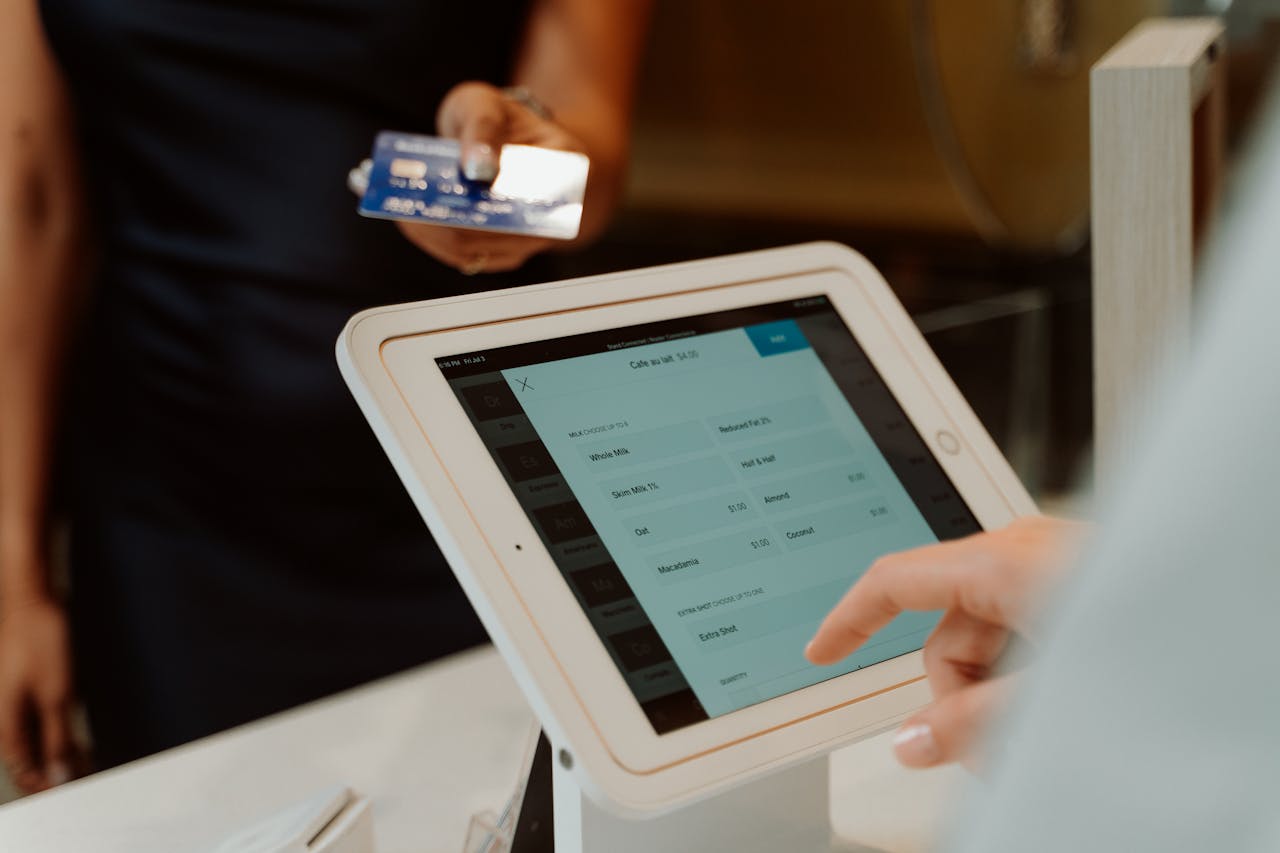
Payments used to be the last step of an online purchase. Today, they are one of the main reasons people actually buy. The way someone pays for a product now has a direct impact on whether they complete the order or leave it halfway. Faster checkouts, flexible payment options, and safer transaction systems are quietly shaping how people shop online.
For e-commerce brands, this shift is becoming hard to ignore. It’s not just about having a good product or strong marketing anymore. The payment experience itself can decide how much you sell and how often customers come back.
In this article, we’ll share how new payment systems are changing e-commerce growth and why they matter more than most businesses realize.
Faster Checkout Experiences Increasing Conversions
One of the biggest changes in e-commerce today is how quickly people can pay. A few years ago, checkout was often slow. Customers had to fill in long forms, enter card details every time, and go through multiple steps before completing a purchase. Many people left halfway through because it felt like too much effort.
Brooks Manley, Owner of Trellis Marketing, explains, “Payment speed has become part of the user-experience itself, not just a technical step. When checkout is seamless, it removes friction at the exact moment intent is highest, which directly impacts e-commerce conversions.”
Now, payment systems are much smoother. Saved cards, digital wallets, and one-click checkout options have made the process almost instant. Once a customer decides to buy, they can complete the payment in seconds. That small change has a big impact on sales.
This matters because even a small delay at checkout can lead to lost customers. People shop online with short attention spans. If something slows them down, they often leave and don’t come back. Faster checkout reduces that drop-off.
According to Karen Noryko, Career Content Director at Jobtrees, “Even minor friction points in the buying process can shift user intent. In e-commerce, the smoother the flow, the higher the chance that initial interest turns into a completed purchase.”
It also improves mobile shopping. On phones, typing details is even more difficult, so quick payment options make a big difference. Brands that simplify this step usually see higher conversion rates without changing anything else in their marketing.
Buy Now, Pay Later (BNPL) Changing Buyer Behavior
Buy Now, Pay Later has changed how people think about spending money online. Instead of paying the full amount upfront, customers can split their payment into smaller parts. This makes products feel more affordable, even when the price stays the same.
Michiel Meyer, CEO & Co-Founder at Workwize, said, “Flexible payment models like BNPL have also changed how companies approach operational decisions, especially in areas like shipping laptops where upfront costs can be significant. Businesses are increasingly aligning cash flow planning with customer financing behavior.”
For many shoppers, especially younger buyers, this removes hesitation. A product that once felt expensive suddenly feels manageable when the cost is broken into easy instalments. This often leads to more completed purchases and fewer abandoned carts.
For businesses, BNPL also increases the average order value. People are more likely to add extra items or choose higher-priced products when they don’t have to pay everything at once. This directly improves revenue without changing pricing.
It also affects buying behavior on an emotional level. Customers feel less pressure when they know they are not committing to a full payment immediately. This comfort often leads to quicker decisions and more frequent purchases.
However, it also requires responsibility. Businesses need to ensure customers understand the payment terms clearly to avoid confusion or dissatisfaction later.
Cheapwaste naturally fits into this shift as well, showing how even operational and service-based industries are increasingly adopting flexible payment expectations in customer-facing transactions.
Mobile Wallets and Contactless Payments Driving Impulse Buying
Mobile wallets like Apple Pay and Google Pay have made online shopping feel almost effortless. Instead of entering card details or logging into accounts, customers can complete payments with a single tap or face scan. This speed has a direct impact on buying behavior.
Anastasia Sartan, CEO of GetGenAI, said, “From a digital risk and fraud perspective, tokenized payment systems like mobile wallets also reduce exposure of sensitive data. That’s one reason users trust them more during online transactions.”
When payment becomes this easy, people are more likely to make spontaneous purchases. If someone sees a product they like, there is very little friction between interest and purchase. That gap is where most sales are either made or lost.
On mobile devices, this effect is even stronger. Most online browsing now happens on phones, where typing and filling forms can feel slow. Mobile wallets remove that friction completely, making the experience smooth and quick.
Kyle R Smith, Director of Boost Promotional Products, added, “Convenience at checkout directly influences conversion behavior, but it also affects brand recall. When the purchase experience feels effortless, customers are more likely to repeat the buying journey with the same brand.”
This convenience also increases trust. Many users feel safer using established payment systems than entering card details on new websites. That added confidence helps reduce hesitation at checkout.
For e-commerce brands, this means higher conversion rates without changing the product or pricing. Simply offering faster and more familiar payment options can lead to better results.
Cross-Border Payments Expanding Global E-Commerce Reach
E-commerce is no longer limited by geography. With better cross-border payment systems, customers can now buy from almost anywhere in the world without worrying about currency or payment issues.
Jonathan Matha, CEO of Modern Chandelier, says, “Global selling has become less about physical expansion and more about removing friction at the transaction level. When payments feel local, even international brands start to feel accessible.”
Earlier, international shopping often came with friction. Currency conversion, high fees, and payment failures made people hesitate. Many businesses also struggled to accept payments from different regions. This limited growth and reduced global reach.
Modern payment systems have changed that. Multi-currency support and automatic conversion make it easier for customers to understand what they are paying. Transactions happen quickly, without needing extra steps or complicated processes.
Ashley Durmo, CEO of Chalet, mentions, “In luxury and cross-border e-commerce especially, payment simplicity often determines conversion. When the checkout experience feels familiar regardless of geography, buyers are far more willing to complete high-value purchases.”
This has opened new markets for online brands. A business based in one country can now sell to customers across multiple regions without setting up complex payment infrastructure in each place.
It also improves trust. When customers see familiar and secure payment options in their own currency, they feel more confident about completing the purchase.
Subscription Payments and Recurring Revenue Models
Subscription payments have changed how many e-commerce businesses make money. Instead of relying only on one-time purchases, brands can now build recurring income through automated billing systems.
This model works well for products and services that people use regularly. Customers sign up once, and payments are handled automatically every month or year. It removes the need to repeat the buying process each time, which makes life easier for the customer and creates predictable revenue for the business.
Noam Friedman, CMO of Tradeit, notes, “Subscription systems also change how businesses think about retention. In competitive digital markets, the focus shifts from acquiring customers once to continuously proving value so they stay engaged over time.”
For companies, this stability is important. It allows better planning, clearer forecasting, and more confidence in long-term growth. Instead of depending on constant new sales, businesses can rely on existing customers continuing their subscriptions.
From a customer point of view, subscriptions are convenient. They don’t have to remember to reorder or go through checkout again. Everything happens in the background, which saves time and effort.
Tom Rockwell, CEO of Concrete Tools Direct, says, “Predictable billing also improves operational planning on the business side. When revenue cycles are stable, inventory, staffing, and marketing decisions become more aligned with actual demand rather than short-term spikes.”
However, success depends on value. If customers don’t feel they are getting ongoing benefit, they cancel quickly. That’s why businesses need to focus on keeping quality consistent over time.
Payment Security and Trust Enhancing Customer Confidence
Online shopping only works when people feel safe paying on a website. No matter how good the product is or how strong the marketing looks, customers will hesitate if they don’t trust the payment process. That’s why security has become a major part of e-commerce growth.
Modern payment systems now come with built-in fraud detection, encryption, and secure gateways that protect customer data. These systems work in the background, checking transactions and blocking suspicious activity before it becomes a problem. Most users don’t see this happening, but they feel the difference through smoother and safer checkout experiences.
Trust signals also play a big role. Things like secure payment icons, well-known payment providers, and clear checkout pages help customers feel more comfortable completing their purchase. Even small doubts at this stage can lead to abandoned carts, so reducing friction here is critical.
For businesses, strong payment security directly improves conversions. When customers feel safe, they complete transactions faster and return more often. It also reduces chargebacks and payment disputes, which helps maintain smoother operations, shared Magnus Larsen, Head of Marketing at Forbrukerguiden.
Data from Payment Systems Improving Marketing Strategy
Every payment made online carries useful information. Over time, this data has become a valuable tool for improving marketing decisions in e-commerce. It shows what people are buying, how often they buy, and how much they spend.
Zaid Shaikh, COO and Co-Founder of NYC Leather Jackets, said, “Payment insights often reflect more than revenue patterns. In fashion retail especially, they help identify shifts in demand early, before they even show up in broader market trends.”
This information helps businesses understand customer behavior more clearly. For example, they can see which products are most popular, which price points convert better, and which customer groups bring the most value. This allows marketing teams to focus their efforts in the right direction instead of guessing.
“Even tools like Klaviyo pricing structures become more strategic when tied to payment and customer data, because businesses can better align lifecycle marketing costs with actual customer value,” adds Ákos Doleschall, Managing Director at Hustler Marketing.
Payment data also improves targeting. Customers can be grouped based on their purchase history, spending habits, or buying frequency. This makes it easier to send relevant offers and run more effective campaigns. Instead of broad messaging, brands can speak directly to specific customer needs.
It also helps with retargeting. If someone adds a product to their cart but doesn’t complete the payment, businesses can follow up with reminders or incentives based on real behavior.
One-Click Payments Reducing Cart Abandonment
Cart abandonment has always been one of the biggest problems in e-commerce. A customer shows interest, adds items to the cart, and then leaves before completing the payment. In many cases, the issue is not the product or price, but the checkout process itself.
Selman AKINCI, Co-Founder at Doctor Adam, explains, “Reducing friction at checkout is one of the most practical improvements in digital healthcare commerce as well. Because even informed users can drop off if the final steps feel too complex or time-consuming.”
One-click payment systems solve this by removing extra steps. Once a customer has saved their details, they can complete a purchase instantly without filling out forms again. This small change removes friction and keeps the buying process smooth.
When people don’t have to think too much or go through multiple pages, they are more likely to finish what they started. That speed matters, especially for mobile users who want quick decisions.
Savas Bozkurt, Owner of Royal Restoration DMV, shares, “In service-based industries, speed of confirmation often influences trust. When the process feels immediate and straightforward, customers are less likely to reconsider or delay the decision.”
For businesses, even a small improvement in checkout flow can lead to a noticeable increase in sales. Fewer abandoned carts mean more completed transactions without changing traffic or marketing spend.
Over time, one-click payments also improve customer habits. When buying becomes easy, customers are more likely to return and shop again. This creates a repeat behavior that benefits long-term growth.
Smart Payment Routing Improving Transaction Success Rates
Behind every online payment, there are multiple systems working together to approve or decline a transaction. Smart payment routing improves this process by choosing the best path for each payment to go through successfully.
Edward Tian, CEO of GPTZero, adds, “As digital systems become more complex, reliability becomes a core part of user trust. In payments, even small technical failures can influence how safe or dependable a platform feels to the user.”
In traditional systems, a failed transaction could mean a lost sale. Even if the customer had enough funds, technical issues or gateway problems could block the payment. Smart routing helps reduce this risk by automatically switching between payment providers if one fails.
This increases the chances of successful transactions, especially for global e-commerce businesses where different regions have different banking systems and rules. Payments are directed through the most reliable and efficient channel based on location, currency, and transaction type.
Desmond Dorsey, Chief Marketing Officer at Bayside Home Improvement, adds that, In high-value purchases, even a single failed checkout attempt can break buyer confidence. Improving transaction reliability directly supports conversion performance and overall customer satisfaction.”
For customers, this means fewer failed checkouts and a smoother experience. They don’t need to retry payments multiple times, which reduces frustration and drop-offs. And for businesses, higher success rates directly translate into more completed sales. Even a small improvement in payment approval rates can have a big impact on overall revenue, especially at scale.
Embedded Finance Creating New Buying Experiences
Embedded finance is changing how payments fit into the overall shopping journey. Instead of treating payments as a separate step, financial services are now built directly into the buying experience.
Rameez Ghayas Usmani, Award-Winning HARO Link Builder & CEO of HARO Link Building, explains, “Embedded finance is also reshaping how trust is built in digital ecosystems. When financial decisions are integrated into the user journey instead of being pushed outside it, the entire experience feels more controlled and transparent for the customer.”
This includes options like instant credit, in-app financing, insurance add-ons, and integrated wallets that appear during checkout. Customers no longer need to leave a platform or go through external processes to complete financial steps. Everything happens in one place.
This creates a smoother experience and reduces friction. When payment, financing, and purchase are all connected, customers can make decisions faster and with more confidence.
For example, a customer buying an expensive product can instantly access financing options without going to a bank or filling out long forms. This increases the chances of completing the purchase.
This model is also visible in lifestyle purchases like Couple Rings, where emotional buying decisions are often supported by flexible payment options at checkout, making the purchase feel more accessible without delaying intent.
For e-commerce businesses, embedded finance opens new revenue opportunities. It not only improves conversions but also increases average order value by making higher-priced items more accessible.
It also strengthens customer engagement because users stay within the platform throughout the entire process. This keeps the experience simple and reduces drop-offs.
In sectors like home improvement and energy efficiency, even services such as cavity insulation are increasingly being bundled with financing options, allowing customers to approve upgrades without separate financial processes or external approvals.
Another important shift is data visibility. When financing and payments are handled inside the same system, businesses gain clearer insights into customer affordability patterns and purchase behavior. This helps refine pricing strategies and offer more relevant financial options in the future.
Final Thoughts
Payment systems have become a major part of how e-commerce grows today. What used to be a simple step at the end of a purchase now has a direct impact on conversions, customer trust, and overall sales performance.
From faster checkouts to smarter routing and embedded finance, each improvement removes friction and makes buying easier for customers. When the payment process feels smooth, people are more likely to complete their purchase and come back again.
For businesses, the real opportunity lies in paying attention to this part of the journey. Small changes in how payments are handled can lead to noticeable improvements in revenue and customer experience over time.