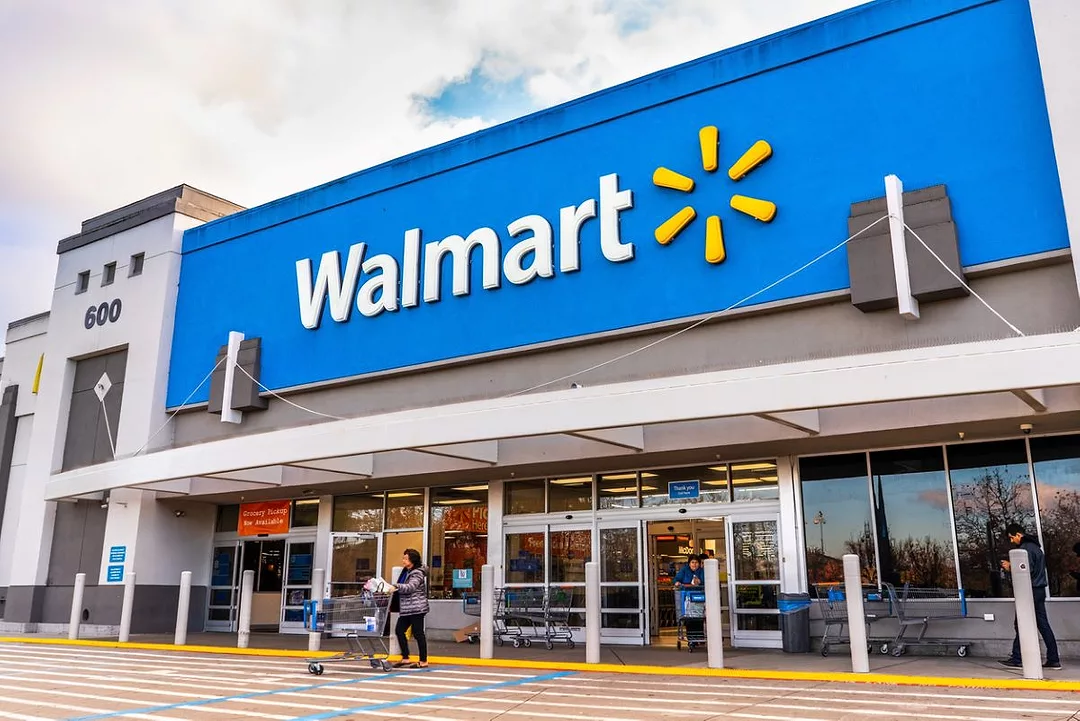
Thousands of Walmart employees are once again watching another corporate restructuring unfold while trying to understand which jobs inside one of America’s biggest companies are actually safe. The latest round of layoffs and relocations has left more workers questioning how stable corporate roles really are inside a company that continues growing while repeatedly reorganizing parts of its business.
The uncertainty is growing at the same time Walmart pushes deeper into automation, e-commerce expansion and AI-driven operations. In its 2026 annual report, Walmart said artificial intelligence is already “fundamentally” reshaping how associates work while the company continues building what it describes as a more “AI-enabled workforce.”
The company also said it is reshaping roles around “uniquely human strengths such as creativity and leadership” while identifying areas where AI can automate repetitive tasks.
For many employees, that language reinforces a growing belief that large corporations are quietly redefining which types of work remain valuable as technology takes over more operational tasks behind the scenes.
Walmart has spent years investing heavily in e-commerce systems, automation, delivery infrastructure and digital operations as it competes more aggressively with Amazon and other technology-focused retailers. Its annual report says the company continues making major investments in AI, automation and supply-chain technology as part of a broader push to modernize operations and improve efficiency.
Those changes are not unique to Walmart. Across retail and technology, large companies have spent the past two years trying to protect profits while running leaner workforces, cutting layers of management and reorganizing teams around faster operations and lower costs.
Corporate office jobs no longer feel as protected as they once did, particularly for employees working outside major office hubs or inside departments vulnerable to restructuring. Relocation demands can create another layer of pressure once housing costs, childcare, schools and family commitments become major realities for workers asked to move across the country in order to remain with the company.
Even when another role technically remains available, relocation is not always realistic for employees already dealing with rising living costs and a less stable corporate environment.
Walmart continues publicly maintaining that its recent restructuring is tied to operational changes rather than direct AI replacement. At the same time, the company’s own filings make clear that automation and AI are becoming increasingly central to how the business operates and how work itself is being reorganized.
Many workers are now starting to ask what jobs companies still see as essential as large corporations continue reorganizing themselves around leaner operations, lower spending and technology designed to reduce repetitive work.
Walmart executives are also preparing for a potentially more difficult environment for consumers as fuel prices continue affecting shopping behavior across the U.S. The company previously told analysts that customers begin changing spending habits once gas prices move above certain levels, with shoppers making substitute purchases at around $4 to $4.50 per gallon before cutting spending more heavily as prices move closer to $5.
For many employees, the larger concern is no longer one specific layoff round but the growing sense that even large, expanding companies no longer guarantee long-term stability for corporate workers.