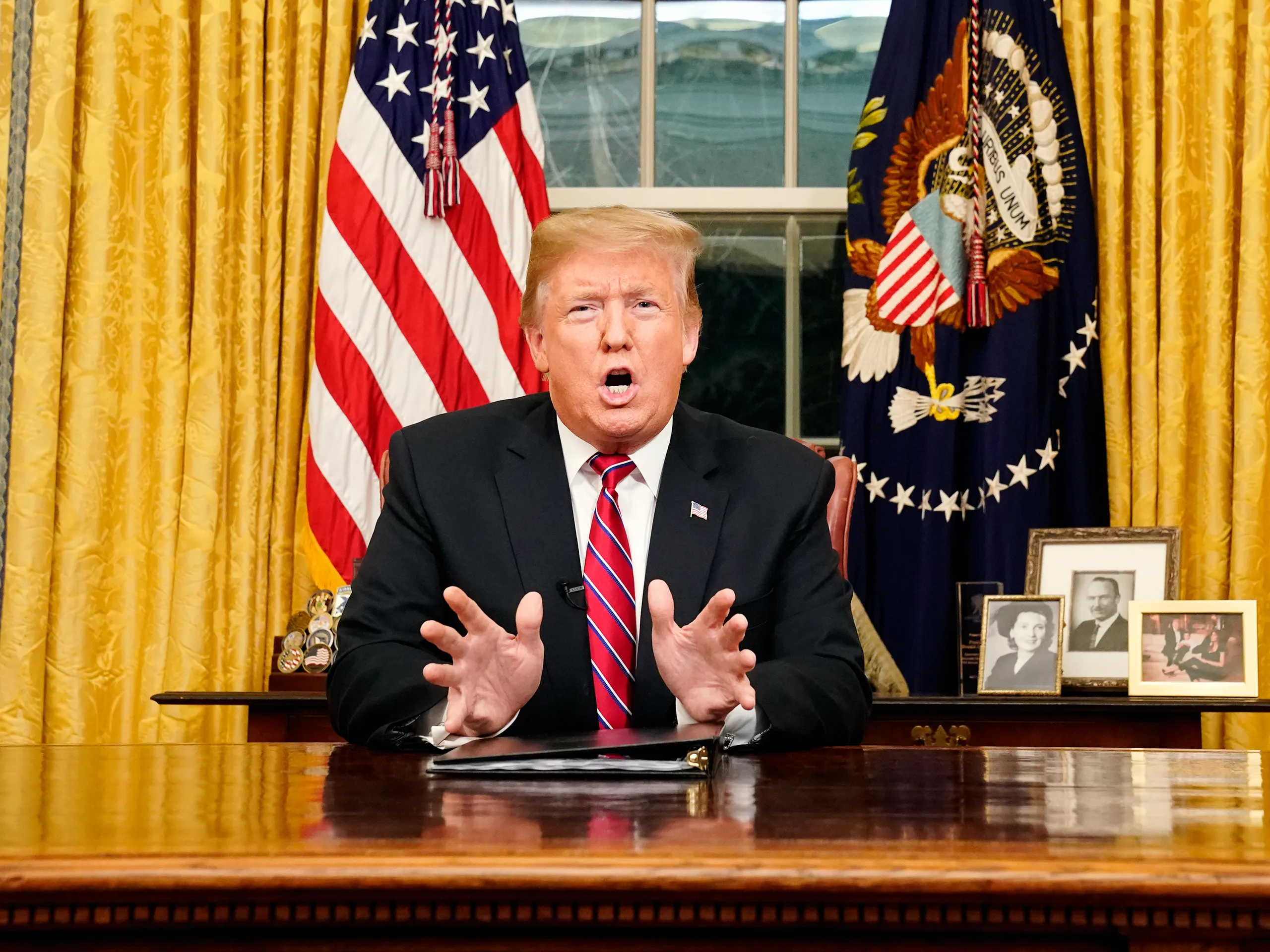
President Donald Trump abruptly canceled a planned White House executive order on artificial intelligence Thursday after warning it could slow America’s lead over China, raising fresh fears about how AI could change hiring, office jobs and corporate spending far faster than many workers expected.
The reversal came just hours before Trump was expected to appear alongside major tech executives at the White House to sign the order. Instead, the ceremony was scrapped after Trump objected to parts of the proposal that could have expanded government oversight of advanced AI systems before they reached the public.
“We’re leading China, we’re leading everybody, and I don’t want to do anything that’s going to get in the way of that lead,” Trump told reporters.
The canceled order would reportedly have created a framework allowing the government to review national security risks tied to some of the world’s most advanced AI models before release. Companies including OpenAI, Google and Anthropic were expected to participate voluntarily.
The argument over AI is now spilling far beyond Silicon Valley.
For many office workers, AI no longer feels like a distant tech trend. More employees are starting to see it as software companies could use to hire fewer people, reduce support staff and force smaller teams to handle heavier workloads. Businesses across finance, customer service, media, healthcare and technology are pouring billions into automation because executives believe it can cut payroll costs while increasing productivity.
The timing is making the anxiety worse. Many Americans are already struggling with expensive housing, higher borrowing costs and growing worries about long-term financial stability.
Wall Street has aggressively rewarded companies moving quickly into AI. Investors see automation as a way for businesses to reduce labor expenses while protecting profits during a shaky economy.
Many workers see something more worrying.
Employees across white-collar industries fear AI could shrink entry-level hiring, reduce opportunities for younger professionals and increase strain on existing staff as companies try to operate with fewer people. Even sectors once considered relatively safe from automation are now facing growing instability as AI systems improve at breakneck speed.
The administration is trying to avoid two political problems at once: falling behind China in the global AI race while also fueling public fears about automation replacing workers and disrupting industries.
The debate intensified after growing concerns inside the banking sector over how advanced AI systems could expose cybersecurity weaknesses. According to the Associated Press report, Treasury Secretary Scott Bessent and outgoing Federal Reserve Chair Jerome Powell previously held an urgent meeting with major Wall Street executives to discuss risks tied to Anthropic’s AI models.
The White House has also faced internal divisions over how aggressively the government should regulate AI companies. Trump previously pledged to roll back AI safety measures introduced under former President Joe Biden, arguing tougher rules could weaken innovation and damage America’s competitive position.
Vice President JD Vance said this week the administration wants the US to “win the AI race” while also trying to protect consumers from cybersecurity and privacy risks.
At the same time, the White House has resisted state-level efforts to regulate AI, warning stricter rules could slow economic growth and weaken America’s advantage against foreign competitors.
That balancing act is getting harder.
AI is rapidly moving deeper into hiring, finance, customer service and corporate decision-making. Businesses want the productivity gains and lower costs. Workers worry the same technology could reduce opportunities at a time when many households already feel financially squeezed.
Wall Street still wants companies moving aggressively into AI, but the political fight in Washington is making the future rules far less clear. And for Americans already worried about layoffs, shrinking opportunities and rising living costs, the battle over AI is beginning to feel less like a technology debate and more like a warning about where the economy may be heading next.