Washington is opening a new federal-backed funding pipeline into AI, factory jobs and struggling rural economies as pressure grows to stop America falling behind China in the next industrial race.
Congress has passed H.R. 2066, known as the “Investing in All of America Act of 2025,” a bill designed to push more private money into small manufacturers, advanced technology firms and economically weaker regions that have spent years losing jobs, factories and local business growth.
The legislation changes the rules for federally backed investment funds that finance smaller American businesses, giving them more freedom to borrow and deploy money if it flows into targeted industries and communities.
The message from lawmakers is becoming clearer: America wants more domestic production, more advanced technology development and less dependence on overseas manufacturing because U.S. officials no longer believe the market alone will protect American industry.
The bill focuses on Small Business Investment Companies, or SBICs, investment funds licensed through the U.S. Small Business Administration that already use government-backed leverage to support smaller businesses.
Under the new law, those funds receive additional flexibility if they back:
- rural businesses
- low-income regions
- small manufacturers
- advanced technology sectors tied to America’s long-term competitiveness
That likely includes industries connected to AI, semiconductors, defense technology and advanced industrial production.
Lawmakers want more private money flowing into industries they believe America cannot afford to lose.
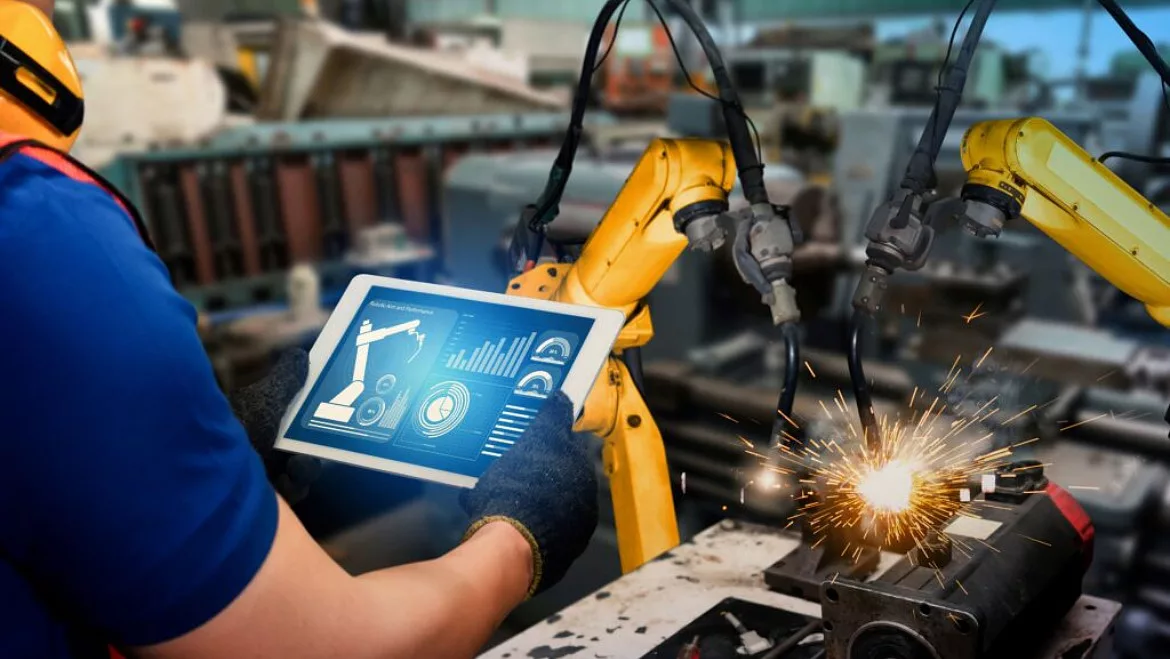
AI spending is exploding across corporate America just as many smaller communities continue struggling with weak hiring, lost factory jobs and years of economic decline. Pressure has also intensified to rebuild domestic supply chains after recent disruptions exposed how dependent the U.S. economy had become on overseas production.
For many towns outside major cities, the damage has been visible for years as factories closed, younger workers left and local investment slowly dried up.
Now lawmakers are trying to reverse some of that decline before AI and automation widen the economic gap even further. Washington has already poured billions into semiconductors, clean energy and domestic manufacturing, and this bill pushes private investors to help finance the next stage of America’s industrial rebuild.
Supporters believe the changes could help create jobs, strengthen regional economies and reduce supply-chain vulnerabilities that became painfully clear during recent inflation shocks and global disruptions.
Critics, however, may question whether expanding government-backed leverage creates additional financial risk if investments fail or politically favored industries receive too much support.
The United States is taking a far more aggressive approach to where funding flows as AI reshapes industries and global competition intensifies. Federal officials increasingly want capital moving toward the technologies, factories and regional economies they believe will determine who wins the next phase of the global economy.
For years, smaller American towns watched factories disappear while investment flowed into tech hubs and overseas supply chains.
Now lawmakers are trying to redirect some of that money back into domestic industry before another economic shift leaves even more communities behind.