Millions of Europeans are being warned that expensive fuel, heating and grocery bills may not ease for years after EU officials admitted the economic shock caused by the Iran conflict is now expected to last until at least the end of 2027.
For many families, the warning will feel like a major setback. After years of inflation, rising rents and painful mortgage costs, many people had hoped 2026 would finally bring financial relief. Instead, Europe’s top financial officials are now warning that everyday life could stay expensive far longer than expected.
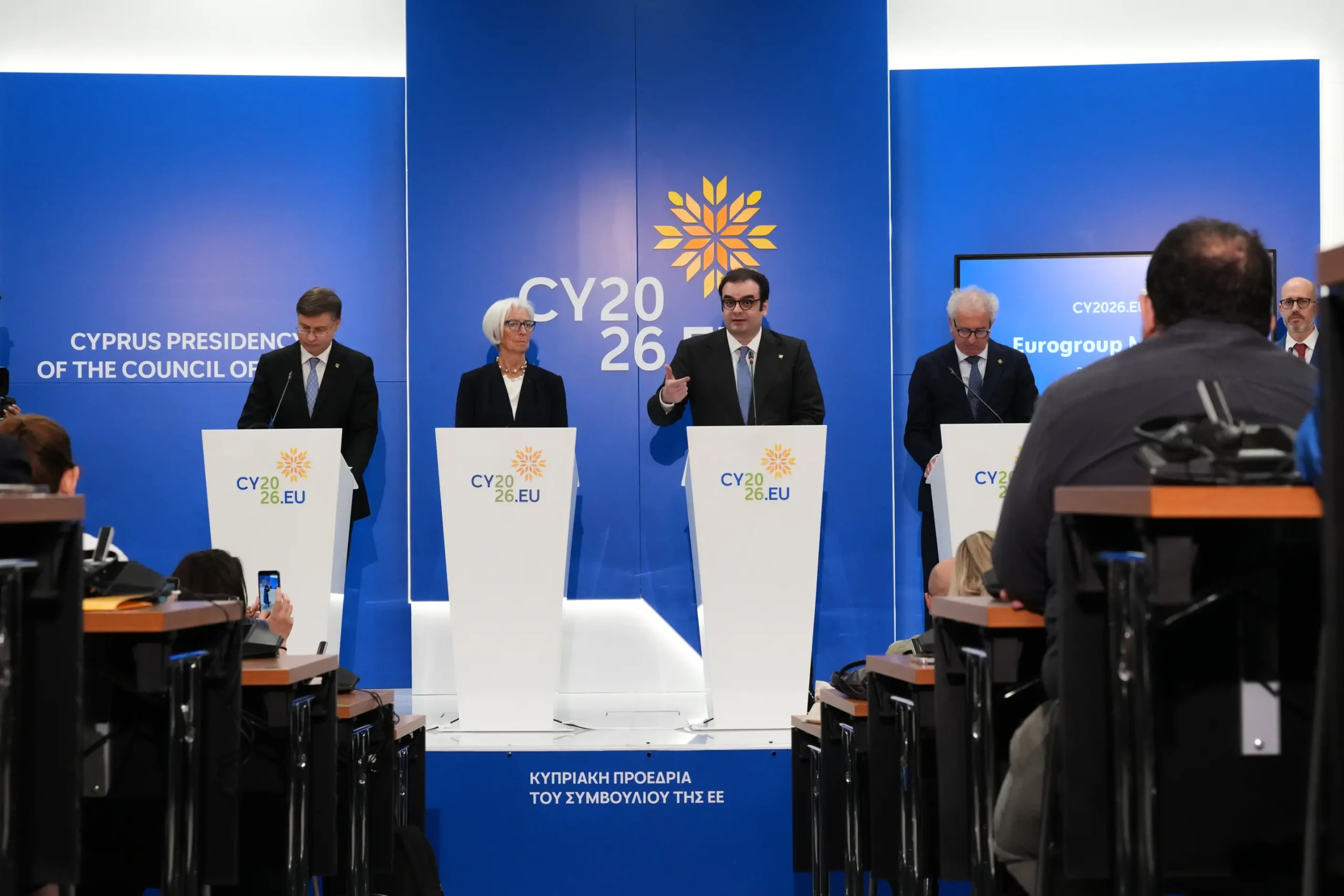
European Central Bank President Christine Lagarde said Friday that even if the conflict in the Middle East ended immediately, prices across Europe would likely remain elevated because energy shocks continue spreading through the wider economy long after the original crisis fades.
“It’s probably a fact that price levels will be higher at the end of this crisis,” Lagarde said.
The warning was clear: Europe may be stuck with expensive living costs for years.
Valdis Dombrovskis said the EU now expects inflation to hit 3.1% this year, sharply above the earlier 1.9% forecast. Officials also expect inflation to stay elevated through 2027.
Most families feel those increases long before economists do. When oil and gas prices jump, transport becomes more expensive, factories cost more to run and food companies face higher delivery bills. Those extra costs slowly spread into supermarket prices, flights, restaurant meals and household essentials.
Many families had already spent the past two years cutting back as wages failed to keep pace with rising living expenses. Friday’s warning suggested the squeeze may be far from over.
The announcement also risks crushing hopes that borrowing costs would finally start easing.
Financial markets had increasingly expected the ECB to move toward lower interest rates as inflation cooled earlier this year. But if energy prices remain stubbornly high, central banks could keep borrowing costs elevated for longer in an effort to stop inflation from accelerating again.
That could leave mortgage holders, small businesses and heavily indebted consumers facing another extended stretch of financial strain. Lagarde avoided signaling any immediate rate increase but said the ECB would continue responding based on incoming inflation and economic data.
Europe is once again paying the price for its dependence on Middle East energy routes. Roughly one-fifth of the world’s oil and gas passes through the Strait of Hormuz, a vital shipping corridor now under renewed pressure because of the regional conflict. Kyriakos Pierrakakis said a meaningful easing of the crisis would require shipping through the Strait of Hormuz to return to normal without additional disruption or transport costs.
The wider European economy is weakening too. EU officials now expect eurozone growth of just 0.9% this year, with only limited improvement forecast over the next two years. Businesses facing weaker demand may delay hiring or expansion plans if consumers continue pulling back on spending.
For workers and middle-class families, that could mean fewer opportunities arriving just as bills remain painfully high.
For households already exhausted by years of inflation and financial strain, Friday’s message from Europe’s top economic officials carried a harsh reality: the cheaper cost of living many hoped was returning may still be years away.