Americans are losing confidence in the economy at a historic pace as rising gas prices, stubborn inflation and growing living costs leave more families feeling squeezed month after month.
New figures released Friday by the University of Michigan showed U.S. consumer sentiment collapsing to 44.8 in May, the weakest reading ever recorded by the survey and far below economist expectations.
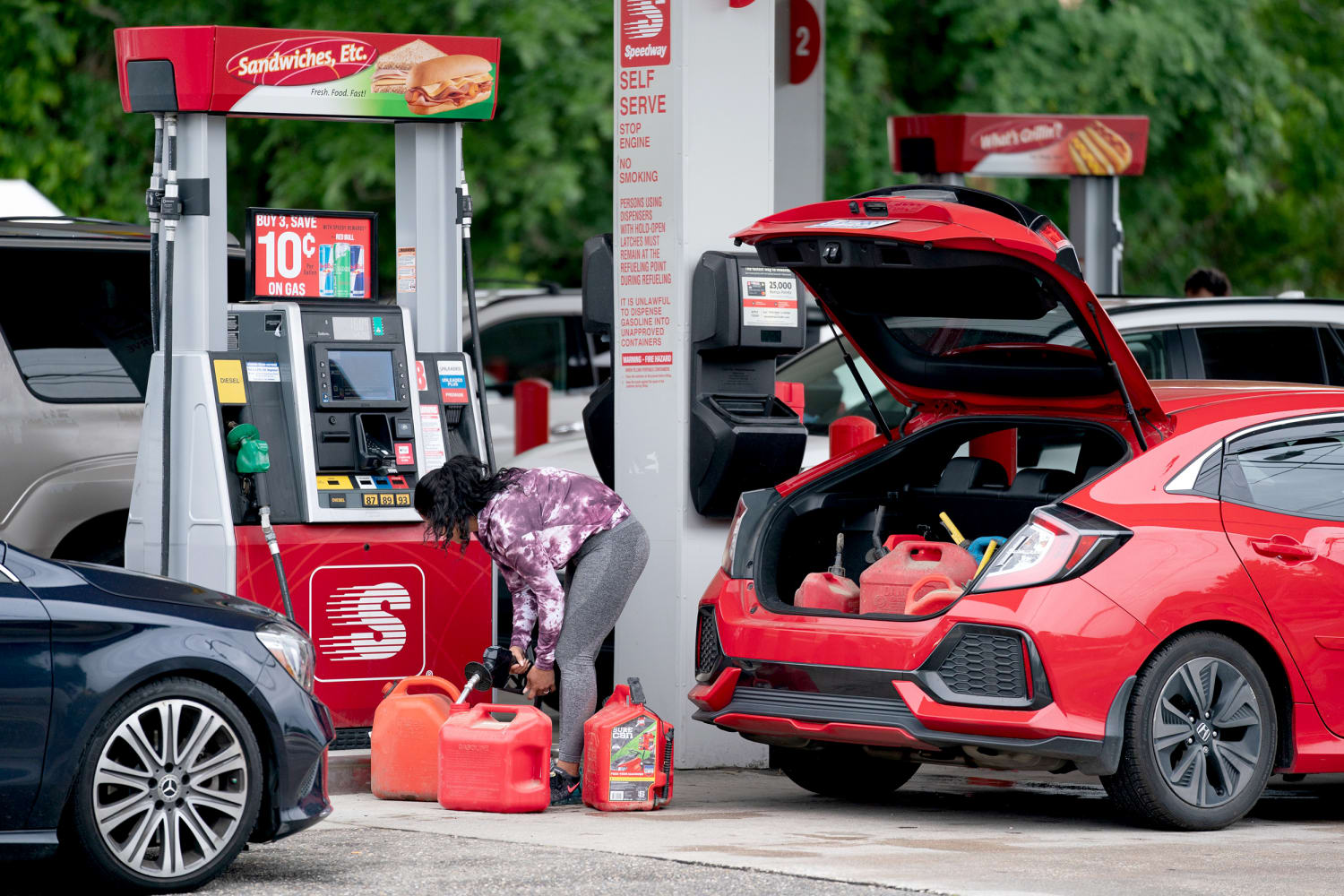
The sharp drop comes as the war involving Iran fuels fresh fears around global oil supplies, pushing gasoline prices higher just as millions of Americans prepare for summer travel. For families already stretched by grocery bills, rent, insurance and debt payments, the latest jump at the pump is becoming another expense many simply cannot absorb comfortably.
Even people with stable jobs are starting to feel less secure about their finances.
According to the survey, 57% of respondents spontaneously mentioned high living costs damaging their personal finances, up from 50% last month. The frustration is spreading well beyond lower-income households as more middle-class families struggle to keep pace with rising bills.
For many Americans, daily life feels noticeably more expensive than it did only a few years ago.
Filling the car, buying groceries or planning a family trip now requires far more budgeting than before. Some shoppers are cutting back on nonessential spending, while others are leaning more heavily on credit cards just to maintain normal routines.
Consumer spending keeps much of the U.S. economy alive. When people start getting nervous and pulling back, businesses feel it quickly.
Retailers, restaurants, airlines and travel companies often see demand weaken first. Companies facing slower sales may delay hiring, reduce expansion plans or cut costs more aggressively if consumers continue becoming cautious through the summer.
Americans are still spending. But many are clearly becoming far more careful about where their money goes.
The survey also showed inflation fears worsening. Consumers now expect inflation to rise 4.8% over the next year, slightly above April’s reading, while longer-term inflation expectations jumped sharply to 3.9%.
If prices continue climbing, interest rates may stay painfully high for longer too — keeping mortgages, car loans and credit card debt expensive across the country.
Many Americans are already carrying record levels of credit card balances while paying far more in interest than they were only a few years ago. Elevated mortgage rates are also locking many buyers out of the housing market, especially younger families trying to purchase their first home.
The report lands at a difficult moment for both financial markets and the White House.
Consumer spending has remained one of the biggest forces holding up the U.S. economy despite persistent inflation and elevated borrowing costs. But if Americans begin cutting back more aggressively in the months ahead, fears around slower growth, weaker hiring and broader economic strain could spread quickly.
For millions of families, the economy may still be growing on paper. It just does not feel that way at the checkout line, the gas pump or the end of the month.